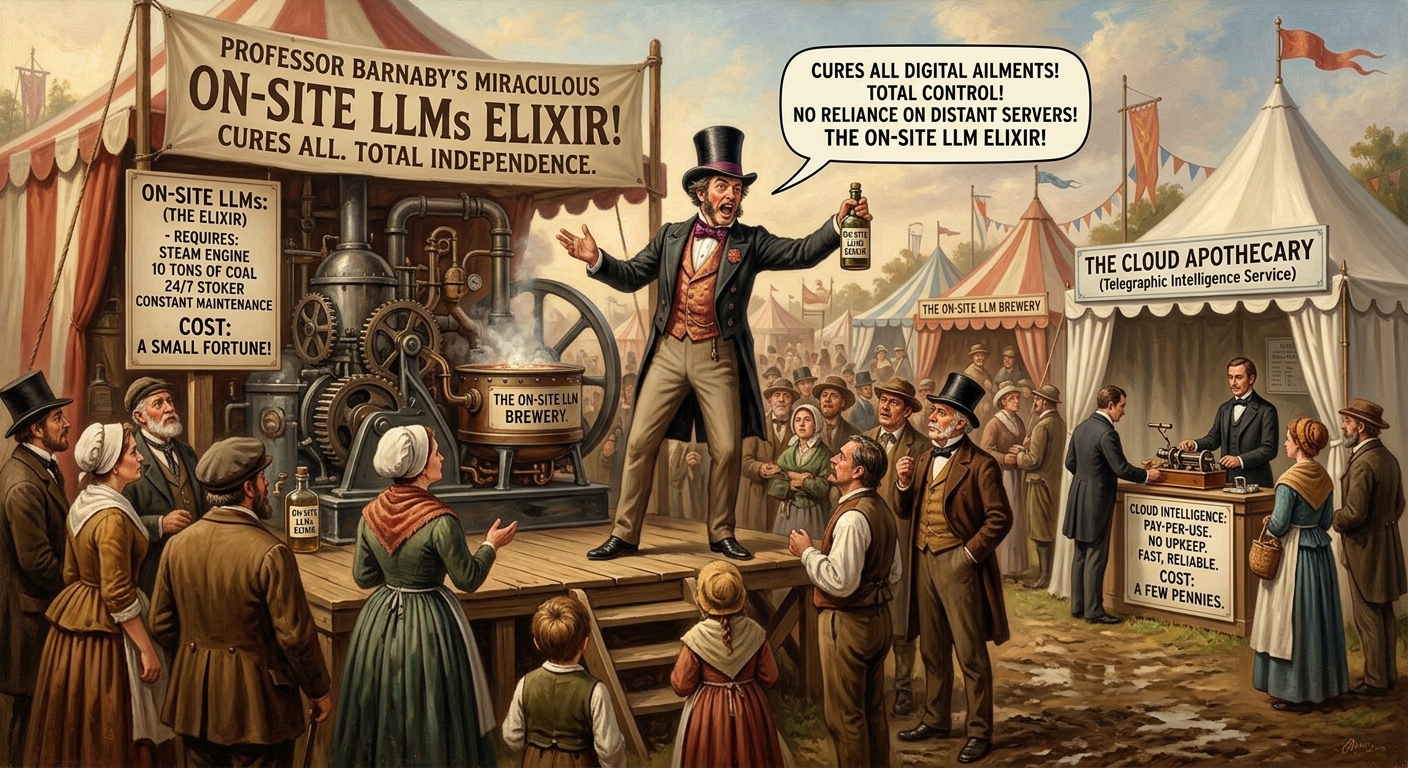
Benvenuti ad aprile 2026. Se state leggendo questo, probabilmente avete appena ricevuto la vostra fattura trimestrale per il cloud da AWS, Azure o Google Cloud. Avete fissato i costi delle API per GPT-5.4, Claude 4.6 Opus e Gemini 3.1 Pro, avete sentito un sudore freddo scorrervi lungo la schiena e avete immediatamente cercato su Google: "Come eseguire LLM in locale". Non siete soli. Il ciclo di hype dell'IA generativa è ufficialmente entrato nella sua fase di "postumi da sbornia cloud", e il mondo aziendale sta disperatamente virando verso soluzioni on-premise, auto-sovrane e open-source per fermare l'emorragia finanziaria.
Ma cerchiamo di essere perfettamente e realisticamente chiari: scaricare un modello open-source è gratuito, ma eseguirlo è un impegno da milioni di dollari che si maschera da misura di risparmio. Dite addio alle fatture delle API, solo per dare il benvenuto a un vasto ecosistema di scarsità hardware, ingegneri di machine learning che richiedono lo stipendio di un piccolo stato-nazione e requisiti elettrici che faranno sì che la vostra compagnia elettrica locale vi invii biglietti di ringraziamento.
Questo editoriale per AI-Radar analizzerà l'attuale panorama dei Large Language Model (LLM) locali, l'hardware necessario per eseguirli, i modelli che si contendono la vostra attenzione e l'economia deliziosamente caotica delle implementazioni AI on-site. Ci porremo anche alcune domande difficili su dove tutto questo stia andando, perché se non lo facciamo, i nostri nuovi agenti AI autonomi potrebbero semplicemente bruciare il data center.
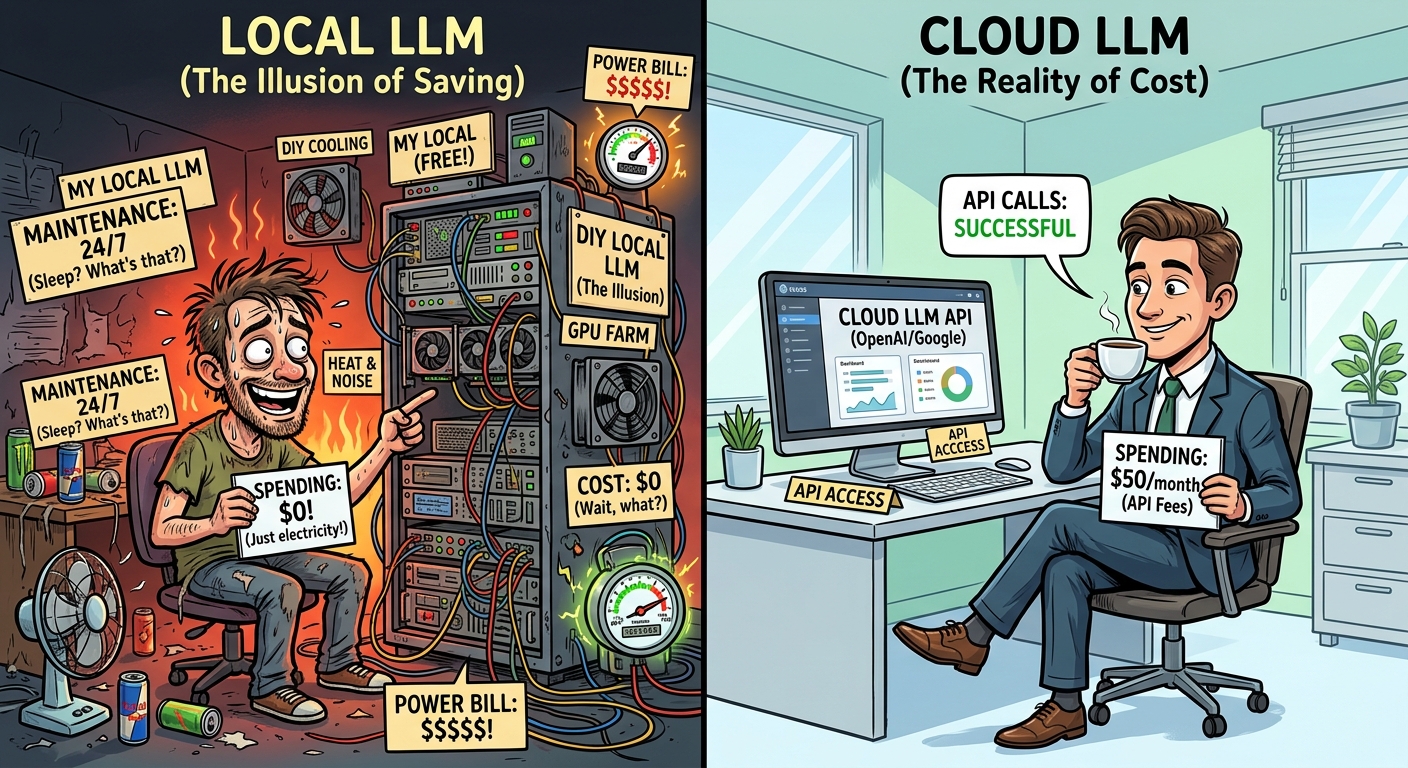
Il Campo di Battaglia Hardware del 2026: Stufe Elettriche vs. Gabbie Dorate
Se volete eseguire un LLM in locale, siete vincolati dalle spietate leggi della fisica e dal "memory wall". L'intelligenza del modello è dettata dalla capacità della VRAM, mentre la velocità di generazione dei token è dettata dalla larghezza di banda della memoria. Ecco la crudele verità del 2026: potete acquistare una GPU NVIDIA che richiede il proprio reattore nucleare, oppure potete acquistare un Mac con Apple Silicio che vi offre una memoria enorme ma vi blocca in una gabbia dorata dove siete interamente dipendenti dalla loro architettura proprietaria.
Esaminiamo i principali contendenti nella corsa agli armamenti hardware per l'IA locale.
Tabella 1: Il Panorama Hardware AI Locale del 2026
| Piattaforma Hardware | Specifiche (VRAM / Larghezza di Banda) | Costo Approssimativo | La Realtà Inevitabile | Ideale Per |
|---|---|---|---|---|
| NVIDIA RTX 5090 | 32GB GDDR7 / 1.79 TB/s | $2.500 - $3.800 | Il prezzo di listino è un mito; avrete bisogno di un alimentatore da 1200W solo per avviarla. | Massima velocità effettiva per modelli da 30B. |
| Apple Mac Studio M5 Max | 128GB Unificata / 614 GB/s | $3.499 - $3.699 | È un dongle da $3.500 per eseguire modelli da 70B a un ritmo tranquillo. | Inference silenziosa di modelli da 70B+ senza rischio di incendio. |
| NVIDIA RTX PRO 6000 | 96GB GDDR7 / 1.8 TB/s | $8.000 - $9.200 | Prezzi enterprise per quando si desiderano le velocità della 5090 ma si ha effettivamente bisogno di far entrare un modello da 70B. | Servizio enterprise ad alta concorrenza. |
| NVIDIA DGX Spark | 128GB LPDDR5x / 273 GB/s | $4.699 | Presentato come un "supercomputer AI", ma viene battuto in token/sec dai laptop consumer. | Startup con isolamento fisico (air-gapped) e paranoiche sulla privacy. |
| AMD Strix Halo (APU) | 128GB Condivisa / 212 GB/s | $2.000 - $4.500 | Il re del budget, ma a 3-5 token/sec, avrete il tempo di fare un caffè tra una risposta e l'altra. | Ricercatori con budget limitato che eseguono modelli MoE da 100B+. |
| Mac Mini M4 Cluster (4x) | 192GB Totale (Pooled) | ~$6.400 - $7.200 | State unendo quattro scatole consumer con nastro adesivo e Thunderbolt 5 per evitare di comprare un vero server. | Supercomputing per hobbisti. |
Il monopolio consumer di NVIDIA rimane incontrastato in termini di velocità pura. La RTX 5090, con architettura Blackwell, può raggiungere una velocità sbalorditiva di 5.841 token al secondo su un modello 7B quantizzato. È 2,6 volte più veloce di una A100 enterprise. Tuttavia, con soli 32GB di VRAM, eseguire qualsiasi cosa più grande di un modello da 30B significa o acquistare due 5090 (e affrontare il collo di bottiglia del PCIe, dato che NVLink è morto sulle schede consumer) o utilizzare una quantization aggressiva che potrebbe lobotomizzare il vostro modello.
Apple Silicio offre il "trucco" della memoria unificata. Poiché CPU e GPU condividono lo stesso pool di memoria, potete acquistare un Mac Studio M5 Max con 128GB di RAM per circa $3.500 ed eseguire modelli massicci da 70B o persino 120B in modo nativo. Sacrificate la velocità – ottenendo forse da 15 a 21 token al secondo su un modello da 70B – ma guadagnate la capacità di caricare effettivamente il modello senza spendere $30.000 per una NVIDIA B200.
La Rivoluzione NPU sta anche avanzando dal basso. Snapdragon X2 Elite di Qualcomm, Ryzen AI 400 di AMD e Lunar Lake di Intel stanno integrando fino a 85 TOPS (Trillion Operations Per Second) in laptop che consumano pochi watt. Sono completamente inutili per eseguire modelli frontier massicci, ma sono incredibilmente efficienti per piccoli modelli di bozza da 3B-7B sempre attivi in background.
La Menagerie di Modelli del 2026: Una Valanga Mensile di Parametri
Se l'hardware è il collo di bottiglia, i modelli stessi sono un diluvio. In una sola settimana di marzo 2026, dodici modelli AI distinti sono stati rilasciati dai principali laboratori. La compressione dei cicli di rilascio significa che gli sviluppatori ora affrontano un problema di selezione del modello mensile, non annuale.
Siamo passati da monoliti massicci e densi ad architetture Mixture-of-Experts (MoE) altamente ottimizzate. I modelli MoE potrebbero avere centinaia di miliardi di parametri totali, ma ne attivano solo una frazione per token, rendendoli l'unico modo matematicamente sensato per eseguire intelligenza di frontiera su hardware locale.
Tabella 2: I Migliori Modelli Open-Source e Open-Weight del 2026
| Nome Modello | Parametri (Totali / Attivi) | Fornitore | Finestra di Contesto | Il Vero Punto Chiave |
|---|---|---|---|---|
| Qwen3.5-397B-A17B | 397B / 17B (MoE) | Alibaba | 262K - 1M | Il re open-source che richiede di fidarsi di un gigante tecnicico cinese con i vostri dati sovrani. |
| DeepSeek-V3.2 | 685B / 37B (MoE) | DeepSeek | 128K | Matematica e ragionamento alla pari con GPT-5, costruito per una frazione del costo. |
| Llama 4 Scout | 109B / 17B (MoE) | Meta | 10.000.000 | 10 milioni di token di contesto significano che ricorda tutto, supponendo che abbiate la RAM per alimentarlo. |
| Llama 4 Maverick | 400B / 17B (MoE) | Meta | 1.000.000 | Il fiore all'occhiello di Meta, anche se la loro definizione di "open source" irrita ancora l'OSI. |
| gpt-oss-120b | 117B / 5.1B (MoE) | OpenAI | 128K | OpenAI ha ironicamente rilasciato un modello open-weight Apache 2.0 solo per impedirvi di migrare a Meta. |
| Mistral Large 3 | 675B / 41B (MoE) | Mistral | 256K | Il campione sovrano europeo. Fantasticamente multilingue, sfacciatamente francese. |
| Kimi-K2.5 | 1T / 32B (MoE) | Moonshot AI | 256K | 1 trilione di parametri progettato per eseguire uno "Sciame di Agenti" di 100 sotto-agenti che collettivamente prosciugheranno il vostro budget di calcolo. |
| Qwen2.5-Coder / 3-Coder | 32B a 480B | Alibaba | fino a 1M | Perché sostituire gli ingegneri software umani richiede modelli che comprendano il refactoring multi-file. |
| Phi-4 | 14B (Denso) | Microsoft | 16K | La prova di Microsoft che non servono un trilione di parametri per fare un ragionamento di base. |
La tendenza saliente del 2026 è la sfocatura dei confini tra i titani delle API closed-source e i contendenti open-weight. OpenAI, notoriamente riservata, ha rilasciato gpt-oss-120b e gpt-oss-20b sotto licenza Apache 2.0. Perché? Perché hanno capito che le industrie fortemente regolamentate (finanza, sanità, difesa) si rifiutano di inviare i loro dati a un cloud multi-tenant.
Nel frattempo, la famiglia Llama 4 di Meta continua a dominare l'ecosistema. Il modello Llama 4 Scout vanta un'assurda finestra di contesto da 10 milioni di token. Per mettere le cose in prospettiva, potreste alimentarlo con l'intera storia della vostra azienda, e avrebbe ancora spazio per leggere Guerra e Pace solo per divertimento. Tuttavia, circolano voci sul modello Llama 4 "Behemoth" (2T parametri) – si dice che sia stato ritardato o cancellato a causa del puro incubo ingegneristico di scalare il routing MoE a quella dimensione, dimostrando che nemmeno Mark Zuckerberg può superare infinitamente le leggi dei rendimenti decrescenti.
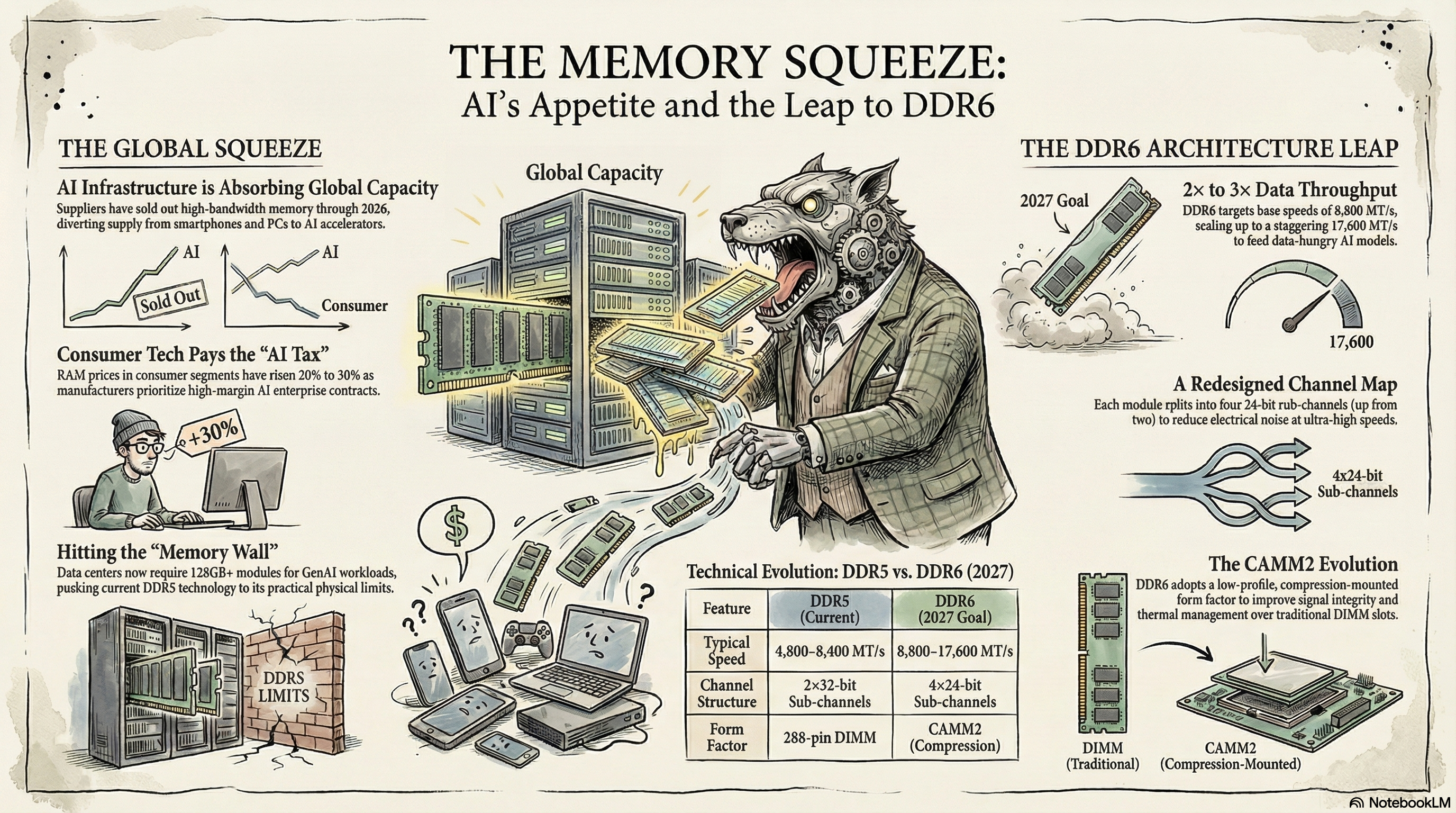
La Magica Scomparsa della VRAM: Un Approfondimento sulla Quantization
Come stiamo eseguendo questi massicci modelli con oltre 100 miliardi di parametri su hardware consumer? Li stiamo strategicamente "danneggiando il cervello" tramite la quantization.
I modelli standard utilizzano numeri in virgola mobile a 16 bit (FP16 o BF16) per i loro pesi. La quantization comprime questi pesi in rappresentazioni intere a 8 bit, 4 bit o persino più piccole. A 4 bit (W4A16), si riduce l'ingombro della memoria di circa 4 volte con una perdita minima di "intelligenza".
Ma nel 2026, il gioco è avanzato alla quantization sub-4-bit e sub-1-bit.
NVFP4 & MXFP4: L'architettura Blackwell di NVIDIA ha introdotto formati nativi in virgola mobile a 4 bit (NVFP4), che quantizzano sia i pesi che le attivazioni. Ciò produce un throughput 1,6 volte superiore rispetto ai metodi a 4 bit più vecchi, con una riduzione del 41% del consumo energetico e solo un calo del 2-4% nella qualità del ragionamento.
NanoQuant & picoLLM: Abbiamo superato la barriera del sub-1-bit. NanoQuant formula la quantization come un problema di fattorizzazione binaria a basso rango. Comprime un modello da 70B parametri da 140GB a un microscopico 5.35GB. Sì, potete eseguire un modello da 70B su una RTX 3050 da 8GB. L'ironia? Ci vogliono 13 ore a una massiccia GPU H100 solo per calcolare la compressione. Inoltre, la compressione sub-1-bit introduce "allucinazioni" e degrado della precisione misurabili, rendendola una spettacolare impresa tecnica incredibilmente rischiosa per implementazioni enterprise mission-critical.
L'Economia del "Gratuito": Un Controllo di Realtà del 2026
Liberiamoci della mitologia del marketing. Gli LLM open-source non sono gratuiti. I pesi dei modelli open-source rappresentano circa il 2-5% dei costi totali di implementazione. Il restante 95-98% è un buco nero di infrastrutture, talenti e costi operativi.
Quando una PMI (Piccola o Media Impresa) decide di passare dalle API di Claude 4.6 a un'implementazione locale di Llama 4, sta cadendo in una trappola economica.
Tabella 3: Il Vero Costo dell'AI Open-Source "Gratuita" (Annualizzato)
| Scala di Implementazione | Costo Framework | Talento & Ingegneria | Costi Generali & Sicurezza | Costo Annuo Totale | Equivalente API Cloud |
|---|---|---|---|---|---|
| Strumento Interno Minimale (100 utenti, 1x GPU) | $15.000 - $20.000 | $80.000 - $120.000 (FTE Parziale) | $30.000 - $50.000 | $125.000 - $190.000 | $3.000 - $15.000 |
| Funzionalità per Clienti (10k MAU, 4x GPU) | $120.000 - $200.000 | $700.000 - $1.4M (7-10 FTE) | $105.000 - $190.000 | $950.000 - $1.82M | $40.000 - $150.000 |
| Prodotto Core Enterprise (Milioni MAU, Cluster GPU) | $1.5M - $3.0M | $2.5M - $5.0M (15-25 FTE) | $1.4M - $2.8M | $5.4M - $10.8M | Zona di pareggio |
Guardate attentamente quei numeri. Un ingegnere di Machine Learning competente nel 2026 percepisce uno stipendio da $150.000 a $250.000. Con i costi delle API per modelli veloci ed economici come GPT-5 nano che scendono a $0.05 per milione di token di input, un ingegnere ML deve far risparmiare alla vostra azienda circa 6,6 miliardi di token di chiamate API solo per pareggiare il suo stipendio.
C'è un punto di pareggio, ma richiede una scala massiccia. Se la vostra azienda elabora oltre 500 milioni a 1 miliardo di token al mese, l'investimento hardware finalmente eclissa il costo delle API. Se acquistate una RTX 5090 per $2.000 ed elaborate 30 milioni di token al giorno, l'hardware si ripaga in circa 292 giorni rispetto all'utilizzo di un'API economica, o in soli 4 giorni rispetto a un'API frontier premium come Claude Opus 4.6.
Tuttavia, se siete una startup che gestisce un chatbot interno di base per 50 dipendenti, l'auto-hosting è un atto di auto-sabotaggio finanziario guidato dall'ego piuttosto che dalla matematica. Non si fa auto-hosting per risparmiare denaro. Si fa auto-hosting per la sovranità dei dati, la latenza e il controllo assoluto.
Porre le Domande Difficili: Come Proseguirà il Business degli LLM On-Site?
Come industria, ci stiamo precipitando a capofitto nell'IA locale e agentica. Ma mentre costruiamo questi stack sovrani, dobbiamo fermarci e porci alcune domande profondamente scomode e auto-riflessive:
Domanda 1: Stiamo solo scambiando il lock-in software con il lock-in hardware?
Siamo fuggiti da OpenAI e Anthropic perché temevamo il vendor lock-in e prezzi API opachi. Ma guardate l'ecosistema locale. Se volete un'inference ad alta velocità o affinare un modello con Unsloth o DeepSpeed, siete quasi interamente dipendenti dall'ecosistema CUDA di NVIDIA. ROCm di AMD è perennemente "in miglioramento", ma rimane un incubo di debugging. Apple Silicio offre una memoria massiccia, ma siete intrappolati in un ciclo di hardware consumer con zero opzioni per server enterprise. Siamo riusciti a sfuggire ai monopoli del cloud solo per rinchiuderci nella giacca di pelle di Jensen Huang. Come può il business on-site progredire se i fornitori di hardware detengono un monopolio sullo strato di calcolo di base?
**Domanda 2: Come facciamo a mettere in sicu





💬 Commenti (0)
🔒 Accedi o registrati per commentare gli articoli.
Nessun commento ancora. Sii il primo a commentare!