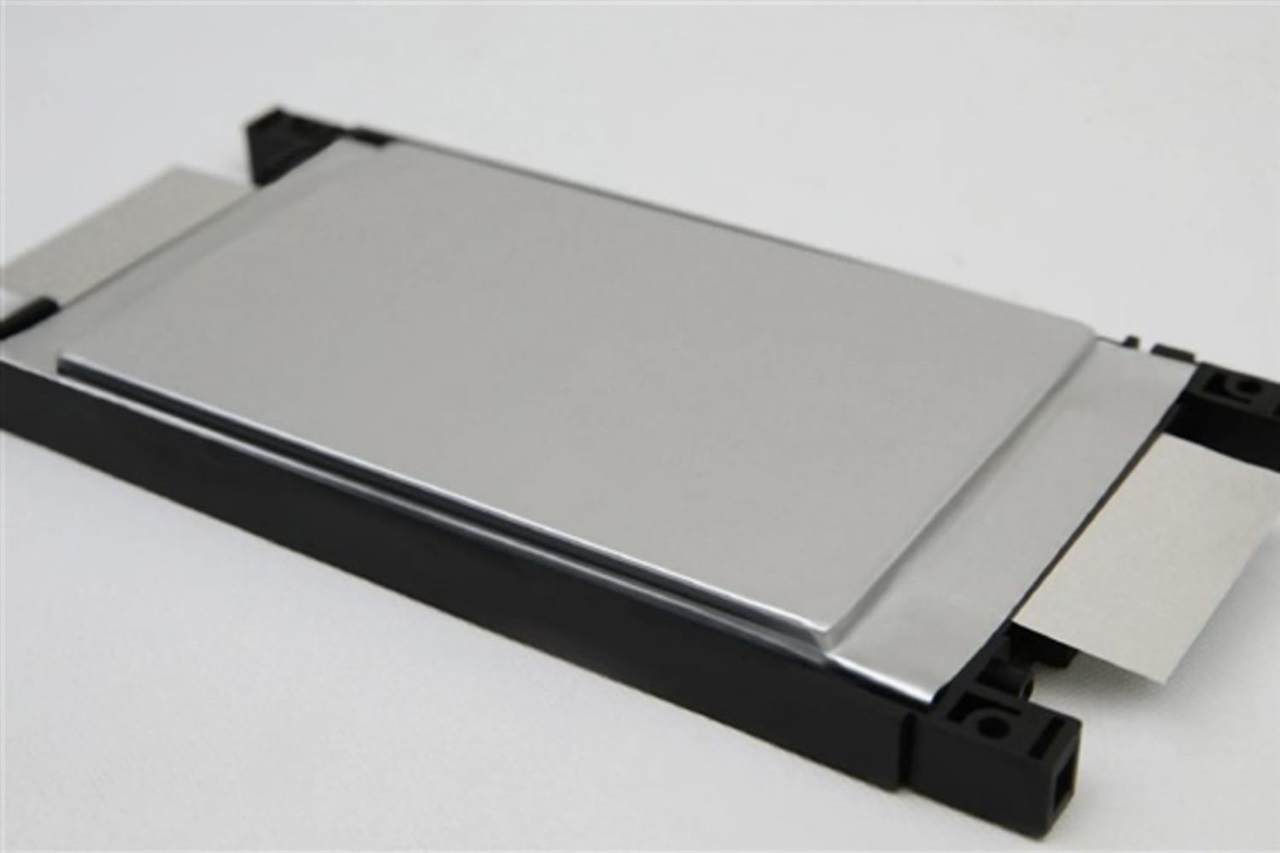
A silent revolution is powering forklifts, heavy machinery, and backup systems, and its protagonists hail from Taiwan and South Korea. Lithium-titanate (LTO) batteries aren't entirely new, but the recent surge in industrial electrification—driven by players like Grinergy—deserves attention from those designing infrastructure for artificial intelligence.
Chemistry that makes a difference
Unlike common lithium-ion cells with graphite anodes, LTO batteries use lithium titanate (Li4Ti5O12) as the anode material. This choice brings concrete advantages: the spinel structure of LTO remains extremely stable during charge and discharge cycles, virtually eliminating dendrite formation and the consequent risk of thermal runaway. The result is a battery that endures tens of thousands of cycles with minimal degradation, charges rapidly without overheating, and operates reliably across a wide temperature range, including sub-zero conditions.
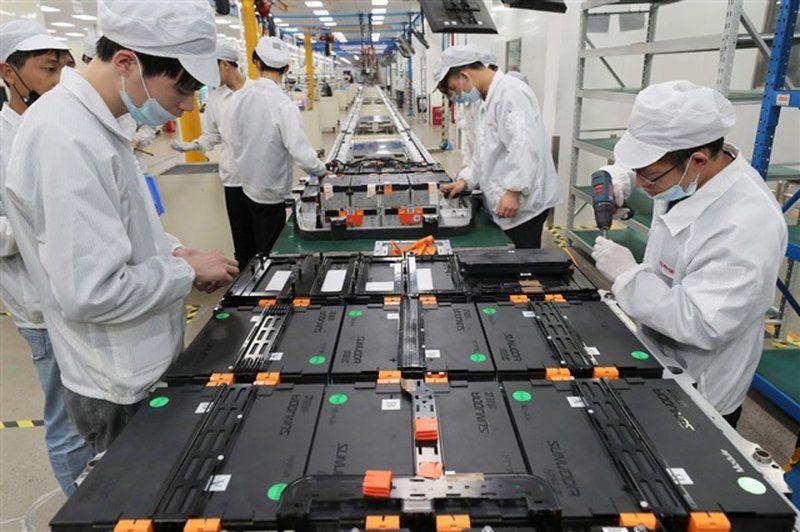
These characteristics have prompted Asian manufacturers to invest heavily. Taiwan and South Korea are expanding their global footprint precisely as industrial electrification demands robust storage for heavy loads: electric forklifts, port cranes, automated guided vehicles (AGVs), and uninterruptible power supplies (UPS) for mission-critical environments.
The missing link for on-premise AI
For those managing LLM inference servers in a self-hosted configuration, hardware discussions almost always revolve around GPUs, VRAM, memory bandwidth, and token throughput. But there is an equally critical factor that is often overlooked: operational continuity. On-premise infrastructure—whether in a corporate data center, a liquid-cooled rack, or an edge location far from frequent maintenance—cannot afford downtime due to power issues.
This is where LTO chemistry becomes strategic. A UPS based on lithium-titanate batteries can provide enough runtime to complete ongoing inference sessions and initiate controlled shutdowns, without the rapid degradation typical of lead-acid or some traditional lithium batteries subjected to partial charges. Moreover, ultra-fast recharge means the system can be operational again within minutes after an extended outage, shrinking vulnerability windows.
Trade-offs and TCO: the cost of resilience
The main hurdle for LTO batteries is the higher upfront cost compared to alternatives. Yet for those examining TCO over a 5–10 year horizon, the equation shifts. An LTO UPS can outlast two or three lifecycles of an equivalent lead-acid unit, and the absence of frequent maintenance (no water top-ups, no sulfation risk) drives down operating expenses. In edge or remote settings, where dispatching a technician costs hundreds of euros per visit, this factor is amplified.
Inherent safety is another value multiplier. In air-gapped environments hosting sensitive data—think healthcare facilities, industrial sites with critical intellectual property, or defense installations—eliminating battery fire risk is not just a compliance matter, but one of operational survival.
A signal for deployment decision-makers
The expansion of LTO batteries by Asian manufacturers is more than industry news: it signals that the technology has reached a production scale and reliability fit for demanding applications. As AI teams weigh cloud versus on-premise, the energy dimension should rightfully enter decision frameworks. Power resilience, TCO, and operational sovereignty form a triangle where LTO can play a pivotal role. AI-RADAR will continue tracking these intersections between energy and compute, offering analytical tools at /llm-onpremise to assess specific trade-offs.
It’s not just about batteries: it’s the silent foundation on which AI infrastructure rests, running where the data needs to be, not where the cloud finds it convenient.








💬 Comments (0)
🔒 Log in or register to comment on articles.
No comments yet. Be the first to comment!