Make solidifies its French strategy with a STATION F hub
Make, the visual automation and artificial intelligence agents platform owned by Celonis, has announced the opening of a permanent mentorship office within STATION F in Paris. This strategic move underscores the importance of the French market for the company, which aims to further expand its influence in the European technology landscape. The initiative is not entirely new for Make, which already boasts a well-established collaboration with over 200 startups participating in STATION F's program.
The decision to establish a physical and lasting presence in Paris reflects a targeted growth strategy. The goal is to provide more direct and in-depth support to emerging companies that use or intend to integrate Make's solutions for process automation and AI agent development. This approach allows Make to be closer to its users and better understand their needs, facilitating the adoption and optimization of its technologies within a dynamic startup environment.
Technical and strategic details of the initiative
Make positions itself in the market with a platform that enables visual automation, an approach that simplifies the creation of complex workflows without the need for extensive coding. The integration of AI agents represents a significant evolution, allowing for the automation of decisions and processes that require a certain operational intelligence. These agents can range from automated customer request management to the coordination of data pipelines, enabling increasingly sophisticated automation scenarios.
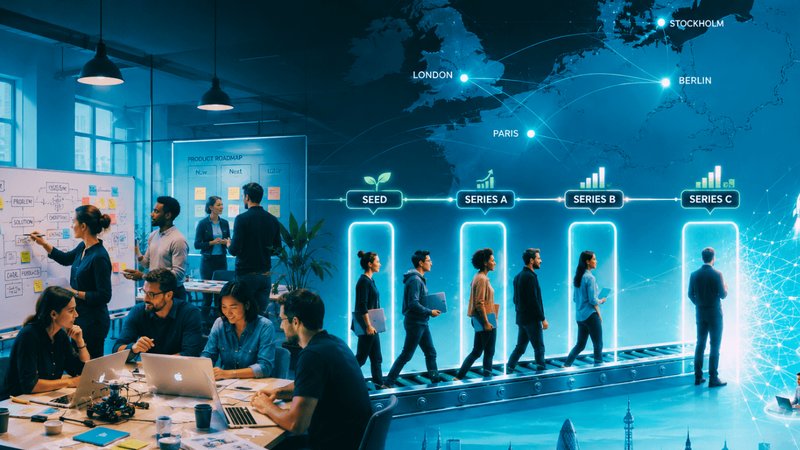
Make's offering of mentorship, workshops, and hackathon participation is designed to accelerate the learning curve and innovation among startups. Through one-on-one sessions, companies can receive personalized advice on implementing Make's solutions, while workshops provide practical training on advanced features and best practices. Participation in hackathons, on the other hand, stimulates creativity and rapid prototyping, testing the platform's capabilities in real and competitive contexts. This type of support is crucial for startups that often operate with limited resources and need effective tools to scale quickly.
Context and implications for enterprise AI adoption
The opening of a mentorship hub in a vibrant ecosystem like STATION F highlights a broader trend in the technology sector: the growing need for specialized skills in artificial intelligence and automation. For companies evaluating the deployment of AI solutions, including LLMs and intelligent agents, the availability of qualified talent and technical support is a critical factor. The ability to develop, implement, and manage these technologies requires a skill set that goes beyond simple programming, encompassing system architecture, data management, and understanding business models.
In a context where data sovereignty and the TCO of on-premise deployments are increasingly relevant for CTOs and infrastructure architects, the training and support offered by initiatives like Make's become fundamental. The choice between a cloud and a self-hosted deployment for AI agents and automation systems depends on numerous factors, including compliance requirements, desired latency, and control over the infrastructure. Mentorship programs can help companies navigate these complexities, providing the knowledge needed to make informed decisions and optimize their automation pipelines.
Future prospects and impact on the tech ecosystem
This expansion by Make at STATION F not only strengthens its position in the French market but also contributes to raising the overall level of expertise in automation and AI within the startup ecosystem. By providing access to experts and resources, Make helps train the next generation of innovators and decision-makers who will be responsible for implementing AI solutions in their respective organizations. This has a positive impact on the technological maturity of the market, pushing towards the adoption of more robust and conscious deployment practices.
The investment in mentorship and training is a clear signal of Make's commitment to the long-term development of the sector. For companies faced with choosing between different deployment strategies for their AI workloads, the availability of a supportive ecosystem and expertise is an invaluable advantage. AI-RADAR, for example, offers analytical frameworks on /llm-onpremise to evaluate the trade-offs between on-premise and cloud deployments, highlighting how team preparedness is a key element in any AI adoption strategy.




💬 Comments (0)
🔒 Log in or register to comment on articles.
No comments yet. Be the first to comment!