
La Malesia ha adottato una politica restrittiva verso i data center, bloccando di fatto l'approvazione di nuovi progetti che non siano direttamente collegati all'intelligenza artificiale. Questa decisione, confermata dal Primo Ministro Anwar Ibrahim, era in realtà una pratica informale già in atto da circa due anni.
Obiettivo: AI
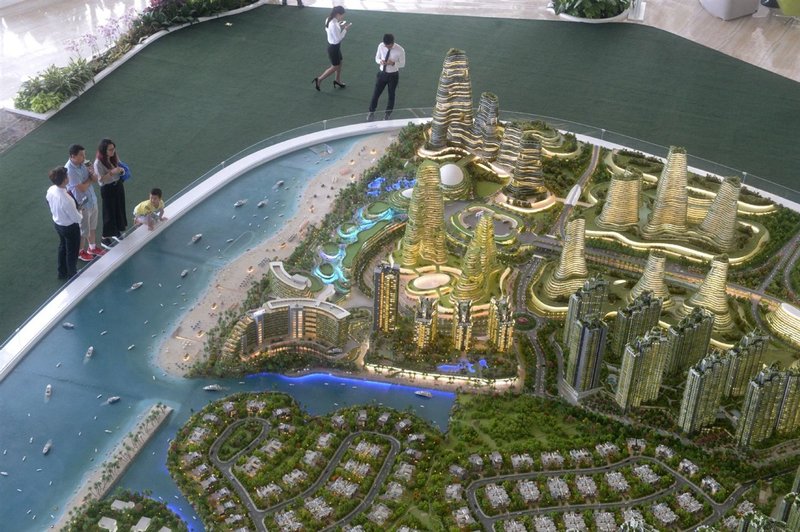
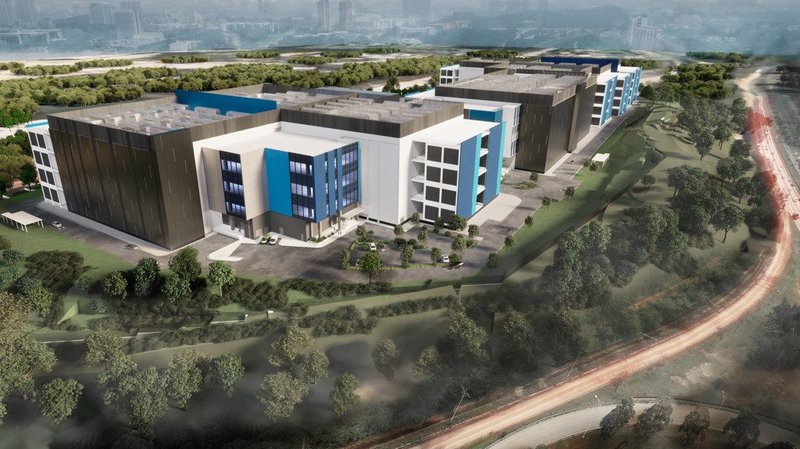
L'obiettivo dichiarato è attrarre investimenti nel settore dell'AI, sfruttando la posizione geografica strategica del paese e i costi inferiori rispetto a Singapore. La Malesia è diventata uno dei mercati in più rapida crescita nel Sud-est asiatico per i data center, con una capacità in forte espansione, concentrata soprattutto nello stato di Johor.
Problemi infrastrutturali
Tuttavia, questa crescita pone delle sfide. Il governo malese ha espresso preoccupazioni riguardo al consumo di energia e acqua da parte dei data center, temendo un aumento delle tariffe per i consumatori. Ritardi nelle connessioni alla rete elettrica rappresentano un collo di bottiglia per i nuovi sviluppi. Il governo punta a un utilizzo più efficiente della capacità esistente e richiede che i costi per l'upgrade delle infrastrutture siano sostenuti dagli sviluppatori.
Sovranità tecnicica
Un'altra questione riguarda la sovranità tecnicica. La Malesia rischia di diventare un semplice fornitore di infrastrutture per aziende straniere, senza ottenere un adeguato ritorno in termini di innovazione e controllo. Il governo ha stanziato fondi per la creazione di un cloud sovrano per l'AI, ma l'entità degli investimenti esteri è di gran lunga superiore.
Energia e ASEAN
Per garantire l'approvvigionamento energetico, la Malesia guarda a fonti esterne, come l'elettricità proveniente dallo stato di Sarawak e, in futuro, l'ASEAN Power Grid. La presenza di capitali e infrastrutture cinesi nel settore dei data center malesi aggiunge un ulteriore livello di complessità geopolitica. La situazione della Malesia ricorda quella dell'Irlanda, dove i data center consumano una quota significativa dell'elettricità, creando problemi alla rete. La Malesia deve evitare di ripetere gli stessi errori, gestendo attentamente la crescita dei data center e garantendo che portino benefici concreti al paese.





💬 Commenti (0)
🔒 Accedi o registrati per commentare gli articoli.
Nessun commento ancora. Sii il primo a commentare!