
Metafuels si aggiudica un finanziamento olandese da 1,92 milioni di euro per l'e-SAF a Rotterdam
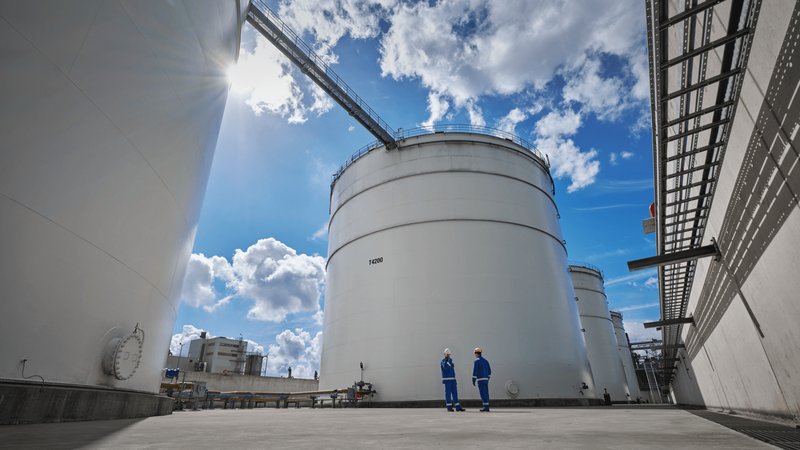
Metafuels, una startup svizzera specializzata in tecnicie per l'aviazione, ha ottenuto un significativo finanziamento di 1,92 milioni di euro da un ente olandese. Questo capitale è destinato a supportare il progetto Turbe, un'iniziativa strategica che vedrà il primo deployment commerciale della tecnicia "aerobrew methanol-to-jet" dell'azienda. L'impianto sarà realizzato presso il terminal Evos nel porto di Rotterdam, un hub logistico e industriale di primaria importanza in Europa.
Il progetto Turbe non rappresenta solo un passo avanti per Metafuels, ma è concepito come un modello replicabile per la produzione su larga scala di carburante sostenibile per l'aviazione (e-SAF) in tutto il continente. L'industria aeronautica è sotto crescente pressione per ridurre la propria impronta carbonica, e l'e-SAF è considerato un pilastro fondamentale per raggiungere gli obiettivi di decarbonizzazione. La capacità di produrre questi carburanti in modo efficiente e su vasta scala è cruciale per la transizione energetica del settore.
Dettaglio Tecnico e Innovazione nel Porto di Rotterdam
Al centro del progetto Turbe vi è la tecnicia proprietaria "aerobrew methanol-to-jet" di Metafuels. Questa innovazione mira a convertire il metanolo in e-SAF, un carburante sintetico che può ridurre drasticamente le emissioni nette di carbonio rispetto ai combustibili fossili tradizionali. Il metanolo, a sua volta, può essere prodotto da fonti rinnovabili, chiudendo il ciclo e offrendo una soluzione a basse emissioni per il trasporto aereo.
Il processo di conversione del metanolo in carburante per jet è tecnicamente complesso e richiede un'ingegneria di processo avanzata. L'efficienza di questa pipeline è fondamentale per la sostenibilità economica e ambientale del prodotto finale. La scelta del porto di Rotterdam come sede per questo deployment non è casuale: la sua infrastruttura esistente per lo stoccaggio e la distribuzione di carburanti, unita alla disponibilità di materie prime e alla connettività, lo rende un luogo ideale per un'iniziativa di questa portata.
Contesto e Implicazioni per il Deployment Industriale
Il deployment commerciale del progetto Turbe a Rotterdam è un esempio lampante delle sfide e delle opportunità associate alla scalabilità delle nuove tecnicie industriali. Similmente ai deployment di Large Language Models (LLM) on-premise, dove la scelta dell'hardware, l'ottimizzazione dell'infrastruttura e il controllo sui processi sono cruciali, anche la realizzazione di un impianto e-SAF su larga scala richiede una pianificazione meticolosa.
Per le aziende che considerano l'adozione di soluzioni innovative, la valutazione del Total Cost of Ownership (TCO) è un fattore determinante. Nel contesto di un impianto industriale, questo include non solo i costi di capitale iniziali (CapEx), ma anche i costi operativi (OpEx) legati all'energia, alla manutenzione e alla logistica. La capacità di Metafuels di dimostrare la fattibilità commerciale e tecnica del suo approccio a Rotterdam sarà un benchmark fondamentale per futuri investimenti nel settore dell'e-SAF in Europa.
Prospettiva Futura per l'Aviazione Sostenibile
Il finanziamento olandese e il progetto Turbe di Metafuels rappresentano un passo significativo verso un futuro più sostenibile per l'aviazione. La creazione di un "blueprint" per la produzione di e-SAF su larga scala è essenziale per accelerare l'adozione di questi carburanti e per aiutare l'industria a raggiungere i suoi ambiziosi obiettivi di decarbonizzazione.
Il successo di iniziative come quella di Metafuels dipenderà dalla capacità di ottimizzare i processi, ridurre i costi e garantire una produzione costante e affidabile. Questi fattori sono analoghi alle considerazioni che guidano le decisioni di deployment di infrastrutture AI complesse, dove l'efficienza, la resilienza e il controllo sono prioritari. L'esperienza acquisita a Rotterdam fornirà insegnamenti preziosi per l'espansione di questa tecnicia, contribuendo a plasmare il panorama energetico del trasporto aereo nei prossimi decenni.







💬 Commenti (0)
🔒 Accedi o registrati per commentare gli articoli.
Nessun commento ancora. Sii il primo a commentare!