Microsoft Solara AI: The Era of 'Agent-First' Devices
Microsoft recently unveiled Project Solara AI, an innovative platform poised to redefine the interaction between hardware and artificial intelligence within the enterprise context. Described as a 'chip-to-cloud' architecture, Solara is designed to enable a new generation of 'agent-first' enterprise devices. This designation signifies a major shift: hardware will no longer be primarily optimized to run traditional applications, but rather to host and manage AI agents capable of performing complex, proactive tasks.
Microsoft's goal is to integrate artificial intelligence more deeply and pervasively, shifting the focus from software as the primary interface to autonomous AI entities operating directly on devices. This vision opens up new scenarios for automation, personalized assistance, and operational efficiency within organizations, laying the groundwork for an ecosystem where AI agents become the core of the user experience and enterprise productivity.
'Chip-to-Cloud' Architecture: Deployment Implications
The definition of Project Solara as a 'chip-to-cloud' platform suggests a hybrid architecture, where processing can occur both locally on the hardware (the 'chip') and by leveraging cloud computing resources. This approach is particularly relevant for companies evaluating deployment strategies for Large Language Models (LLM) and other AI workloads. The ability to perform part of the Inference directly on the device or at the edge can offer significant advantages in terms of latency, privacy, and data sovereignty.
For organizations with stringent compliance requirements or those operating in air-gapped environments, the option to keep sensitive data on-premise, processing it on dedicated hardware, is crucial. However, cloud integration allows for scalability, access to larger models, and continuous updates. The challenge for CTOs and infrastructure architects will be to balance these trade-offs, determining which AI workloads should reside on the 'chip' to optimize performance and security, and which can benefit from the flexibility and power of the 'cloud'. This choice will directly impact the Total Cost of Ownership (TCO) and the complexity of infrastructure management.
'Agent-First' Devices: A New Paradigm for the Enterprise
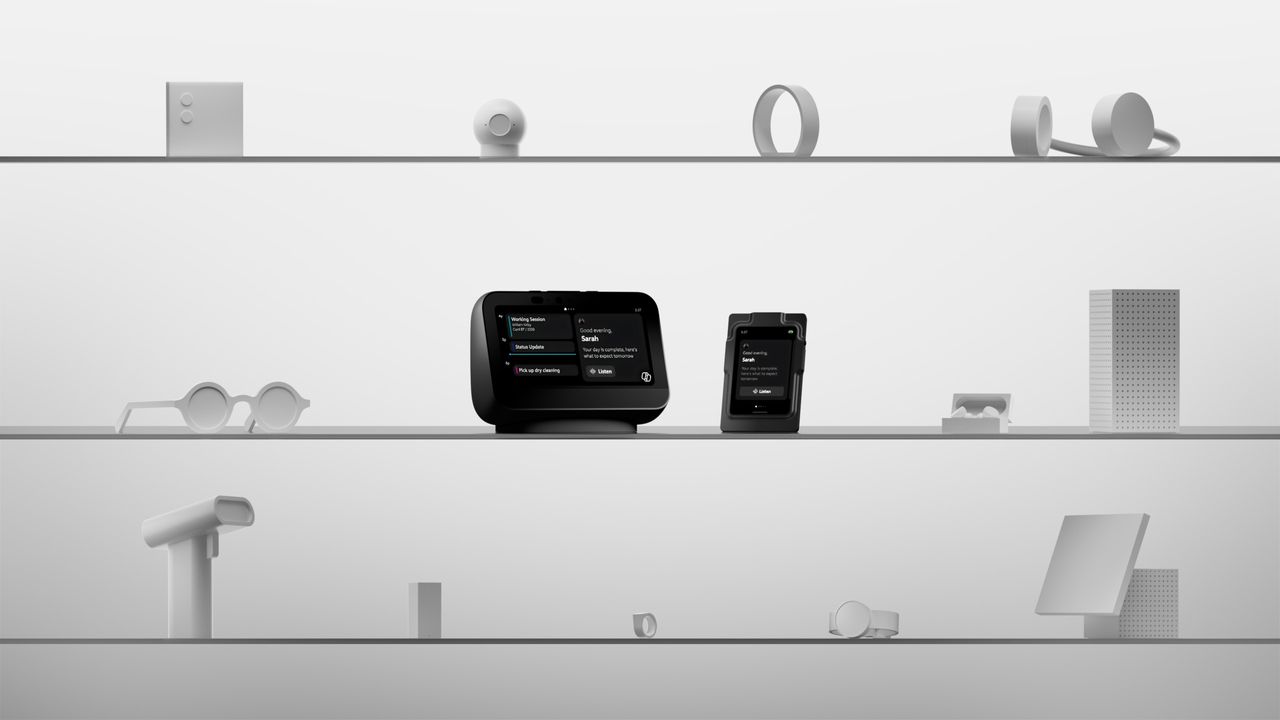
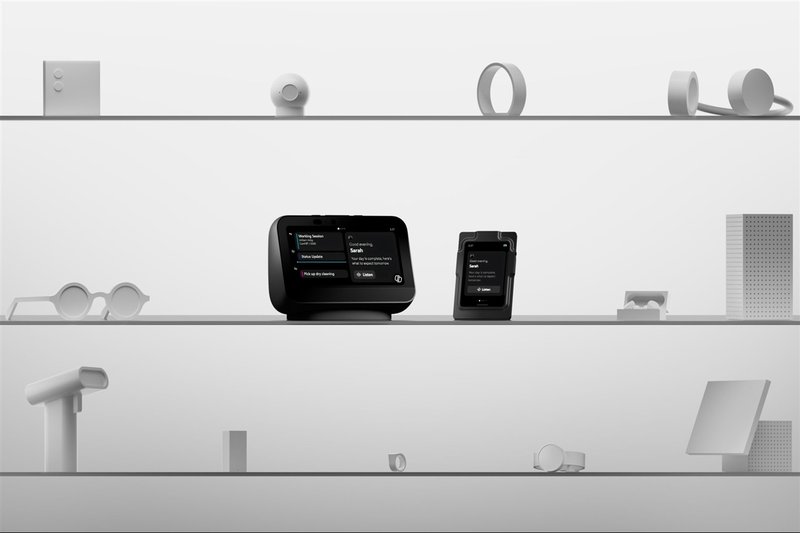
The initial concept reference designs for Solara AI devices, a desktop companion and a wearable badge, illustrate Microsoft's vision for this new hardware category. These devices are not mere terminals, but platforms optimized for running AI agents. A desktop companion, for example, could host an AI agent capable of autonomously managing complex workflows, analyzing local data, or interacting with other enterprise systems, reducing reliance on specific applications.
Conversely, the wearable badge suggests an even deeper integration of AI into the daily work environment, potentially offering contextual assistance, real-time translation, or quick access to critical information, all managed by a resident AI agent. This shift towards 'agent-first' devices necessitates a reconsideration of security, management, and deployment strategies, as AI agents may have access to sensitive data and operate with an unprecedented degree of autonomy for enterprise hardware.
Future Prospects and Strategic Considerations
Project Solara AI marks a significant step in the evolution of artificial intelligence within the enterprise. The promise of a 'chip-to-cloud' platform for 'agent-first' devices opens new opportunities for innovation and efficiency, but also presents significant challenges. Companies will need to carefully assess how to integrate these new paradigms into their existing infrastructures, considering the impacts on security, compliance, and data management.
The decision of where to perform Inference – on-device, on-premise, or in the cloud – will become even more critical. For those evaluating on-premise deployment, AI-RADAR offers analytical frameworks on /llm-onpremise to assess the trade-offs between control, TCO, and performance. Solara's success will depend on Microsoft's ability to provide tools and Frameworks that enable businesses to fully leverage the potential of AI agents, while maintaining control and sovereignty over their data and processes.



💬 Comments (0)
🔒 Log in or register to comment on articles.
No comments yet. Be the first to comment!