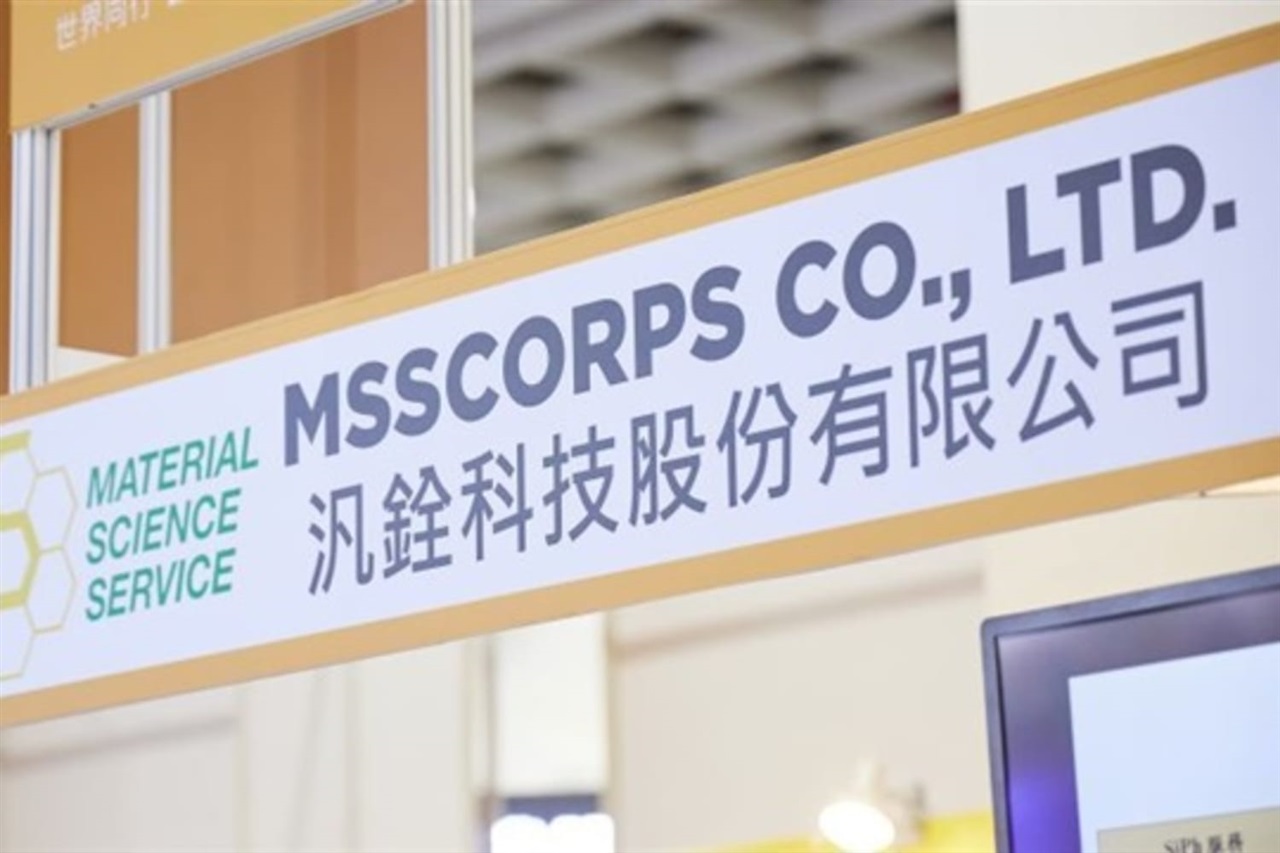
Msscorps has announced record second-quarter revenue, driven by growing demand for testing chips destined for artificial intelligence and semiconductors. The news, reported by DIGITIMES, arrives as the entire AI hardware ecosystem is under pressure: from GPU manufacturers to foundries, every link in the chain is racing to meet an insatiable hunger for compute.
The Taiwan-based company, specialized in advanced semiconductor testing (probe, final test, and solutions for complex chips), is a privileged observatory of the electronics manufacturing health. Its best quarter ever is not a detail: it’s an early indicator of how many processors, accelerators, and high-bandwidth memories will roll off production lines in the coming months. In essence, Msscorps sees wafers before they become boards in data centers or on-premise servers.
For those tracking on-premise AI dynamics, the figure has concrete value. The availability of GPUs and accelerators – from NVIDIA H100s to custom silicon alternatives – has for months been the factor determining the technical and economic feasibility of any self-hosted LLM deployment. Testing an AI chip is no trivial step: it requires sophisticated equipment and specific expertise, and installed capacity cannot be multiplied overnight. When a testing service provider hits full capacity, as seems to be happening at Msscorps, a warning light goes on: silicon supply might not keep pace with orders, or at least lead times will stretch.
This directly affects architectural choices. Enterprises evaluating whether to bring LLMs behind their own firewall – for data sovereignty, latency, or cost control – must calculate a TCO that includes not only hardware purchase but also delivery uncertainty. If testing remains a bottleneck, the opportunity cost of waiting months for an on-premise cluster can tip the balance toward cloud solutions, despite privacy considerations.
Yet Msscorps’ record also tells a positive story: testing capacity is expanding, fueled by substantial investment. Automatic test equipment (ATE) suppliers are themselves receiving record orders, and the entire chain is gearing up for structural growth. If capacity increases fast enough, the AI hardware market could find a new equilibrium, with more GPUs available, less speculative pricing, and more reliable planning for teams building local stacks.
In this sense, Msscorps’ signal is not just a quarterly number. It confirms that AI infrastructure – from compute nodes to test systems – is undergoing a change of scale. For those shaping deployment strategies, the lesson is clear: silicon is growing, but demand is growing faster, and the window to lock in supplies could remain narrow for some time. AI-RADAR tracks these tensions, analyzing how bottlenecks and lead times affect the real TCO of on-premise projects.








💬 Comments (0)
🔒 Log in or register to comment on articles.
No comments yet. Be the first to comment!