
Musk’s prediction and the Chinese reply
Elon Musk stated that China will likely develop a “Fable 5‑class” AI model in the first quarter of next year. The remark comes amid intensifying tech rivalry between the US and China. Shortly after, the CEO of a Chinese firm that rivals Anthropic — name undisclosed, but active in advanced language models — replied that it won’t take that long.
According to international press reports, the Chinese company is working on a new generation of LLMs designed to compete directly with Western frontier models. The executive’s statement, as reported by tech outlets, adds pressure to the narrative of an imminent leapfrogging.
What “Fable 5” means
The term “Fable 5” does not refer to any existing model but is interpreted by analysts as a reference to a generational jump beyond GPT‑4, comparable to what a hypothetical GPT‑5 might deliver. Musk has previously spoken of next‑generation models that could redefine reasoning and context capabilities. China’s roadmap, characterized by frequent releases of open‑source and proprietary LLMs, suggests the goal is within reach. Companies such as Alibaba, Baidu, and startups like DeepSeek have shown rapid progress, often releasing models with open weights, which enable self‑hosted deployment and customization.
Why it matters for self‑hosted deployments
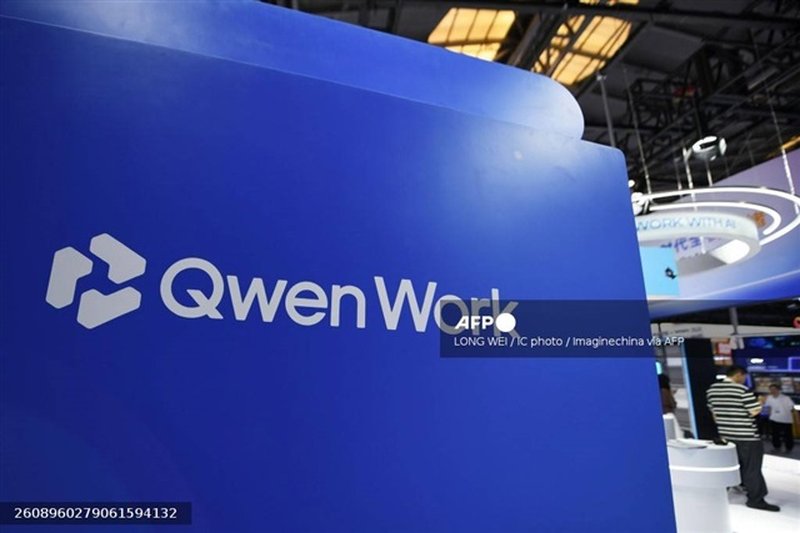
For those managing on‑premise infrastructure, the availability of frontier‑class models released under open licenses is strategically significant. Chinese models, such as the Qwen family or DeepSeek‑V2, have already proven they can deliver competitive performance with lower inference costs, and are often suitable for quantization and fine‑tuning for specific workloads. A potential “Fable 5”‑level model from China could dramatically broaden the options for organizations seeking to avoid dependence on Western cloud providers and maintain data sovereignty. However, unresolved issues around regulatory compliance and model transparency remain critical for many IT decision‑makers.
Global race and outlook
The AI competition is no longer confined to research labs: it is turning into a geopolitical game with direct implications for enterprise deployment choices. If China does deliver ahead of schedule, the LLM market could see an even faster release of open‑weight variants, putting pressure on traditional vendors. For those tracking on‑premise stack evolution and self‑hosted alternatives, this episode confirms that the landscape is continuously shifting and that windows of opportunity for adopting performant on‑premise solutions may open sooner than expected.





💬 Comments (0)
🔒 Log in or register to comment on articles.
No comments yet. Be the first to comment!