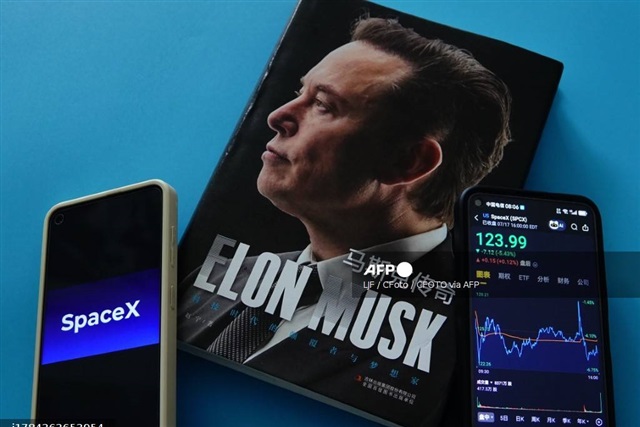
When a denial carries nearly as much weight as the announcement it refutes. Elon Musk dismissed with a terse «fake news» an AFP report that speculated on a $52 billion deal between SpaceX, Foxconn, and Nvidia for server supply. The brief exchange on the X platform reignited scrutiny of a sector where every rumor about silicon deliveries can move billions in capital and reshape supply chain strategies.
The alleged order would have been one of the largest computing infrastructure contracts on record, signaling an even more aggressive phase in the AI race. Yet the lack of details – GPU type, timelines, final destination of the machines – made the figure hard to verify. That’s where Musk’s rebuttal gains heft: not a generic «no comment,» but a direct accusation of falsehood that forces the market to question how much real hardware demand is backed by binding contracts and how much stems from speculation, unconfirmed reservations, or mere expressions of interest.
In preceding weeks, the AI ecosystem had already been rattled by leaks about other mega-purchases, including the expansion of xAI’s Colossus supercomputer – Musk’s generative AI venture – powered by tens of thousands of Nvidia GPUs. The overlap among the billionaire’s entities (SpaceX, Tesla, xAI, X) has always sparked questions about hardware allocation: would Starlink use those servers for signal processing? SpaceX for aerodynamic simulations? Or would it be an extension of xAI’s compute capacity? The denial leaves all scenarios open but draws attention to the need to distinguish between genuine industrial plans and corridor chatter.
For those operating in the on-premise AI infrastructure market, the episode offers a glimpse into procurement mechanics. Large enterprises investing in GPU clusters don’t simply sign orders: they negotiate volumes, silicon allocations, and lead times months in advance, in an environment where component shortages and explosive demand make every piece of information sensitive. A confirmed $52 billion deal could have further tightened availability for all other players, triggering chain reactions on pricing and waiting times. Its flat negation freezes the picture and invites a more cautious reading of market rumors.
There is another layer: perception management. Musk built his tech reputation partly on the ability to anticipate adversary moves and shape public narrative. Calling a news item false that was circulating among international agencies amounts to reclaiming control over the information flow, preventing the mere announcement of a hypothetical order from being used by competitors or investors to recalculate the competitive balance. In a sector where hardware is power, owning the data – even about one’s own supplies – becomes a strategic lever.
The transparency problem remains. The episode highlights the fragility of an ecosystem where assessments of global compute capacity often rely on unofficial sources and aggregate estimates. While chipmakers like Nvidia report record revenues, tracing the final destination of their products is a complex exercise. Musk’s denial ultimately clarifies little about SpaceX’s or xAI’s plans, but it serves as a warning to the market: in this heady phase, taking every circulating figure at face value could prove costly.







💬 Comments (0)
🔒 Log in or register to comment on articles.
No comments yet. Be the first to comment!