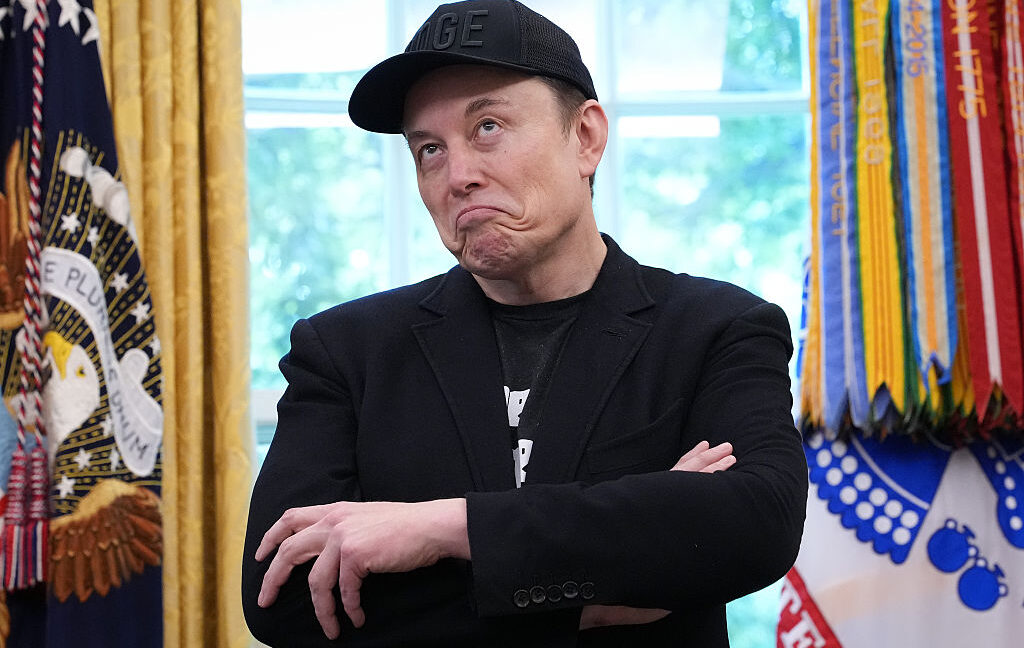
Revelations from the Musk vs. OpenAI Lawsuit
New details are emerging from the lawsuit between Elon Musk and OpenAI, the company behind the renowned ChatGPT. Documents presented in court have unveiled an attempt by Musk in 2018 to hire OpenAI's founding team, including Sam Altman, Greg Brockman, and Ilya Sutskever. The intention was to create and lead a new artificial intelligence unit within Tesla.
This strategic move occurred during a period of significant uncertainty and internal debate at OpenAI, where leaders were intensely discussing the control and future direction of the organization. Musk, a co-founder of the AI group, had proposed various options to integrate OpenAI's talent into his car company, including the possibility of appointing Altman to Tesla's board of directors or transforming OpenAI into a direct subsidiary.
The Strategic AI Context of 2018
2018 represented a crucial moment for artificial intelligence development. Leading technology companies were intensifying their investments, and the race to secure the best talent in the AI field was already fierce. For a company like Tesla, the ability to internally develop advanced AI technologies was, and still is, fundamental, not only for autonomous driving systems but also for optimizing production processes and product innovation.
Musk's idea of bringing the OpenAI team into Tesla reflected a clear strategic vision: to consolidate control over a technological resource deemed essential. This decision, while not directly related to specific on-premise or cloud infrastructures, underscores the importance of clear governance and direct control over AI research and development capabilities. For many organizations, the choice between in-house development and reliance on third parties is a matter of data sovereignty and control over intellectual property, aspects that become critical when discussing Large Language Models and generative AI systems.
The Dispute Over Control and Commercialization
The trial's revelations also shed light on one of the central issues of the legal dispute: the nature of OpenAI. Musk has argued that Altman "stole a charity" by converting it into a for-profit entity. However, OpenAI's lawyers countered that the Tesla CEO himself was in favor of commercializing the lab, provided he maintained control.
This divergence of views highlights the inherent tensions between the original mission of a non-profit organization, often oriented towards open research and public benefit, and market pressures to monetize revolutionary technologies. The governance and strategic direction of an entity developing frontier AI technologies are complex issues, with significant implications for the future of innovation and the distribution of power within the technology sector.
Future Prospects and the AI Race
The saga between Elon Musk and OpenAI is emblematic of the power dynamics and the ethical and commercial challenges that characterize the artificial intelligence sector. The ability to attract and retain top talent, as well as defining the long-term strategy for the development and deployment of AI systems, remain absolute priorities for leading companies.
For organizations currently evaluating the deployment of Large Language Models, decisions regarding the ownership and control of AI infrastructures are more relevant than ever. Whether it involves self-hosted, air-gapped solutions, or hybrid architectures, data sovereignty and the ability to manage the entire development and inference pipeline are key factors. The story of OpenAI and Tesla, while focused on legal and strategic aspects, offers insight into how crucial control over AI technology is from its very foundations.






💬 Comments (0)
🔒 Log in or register to comment on articles.
No comments yet. Be the first to comment!