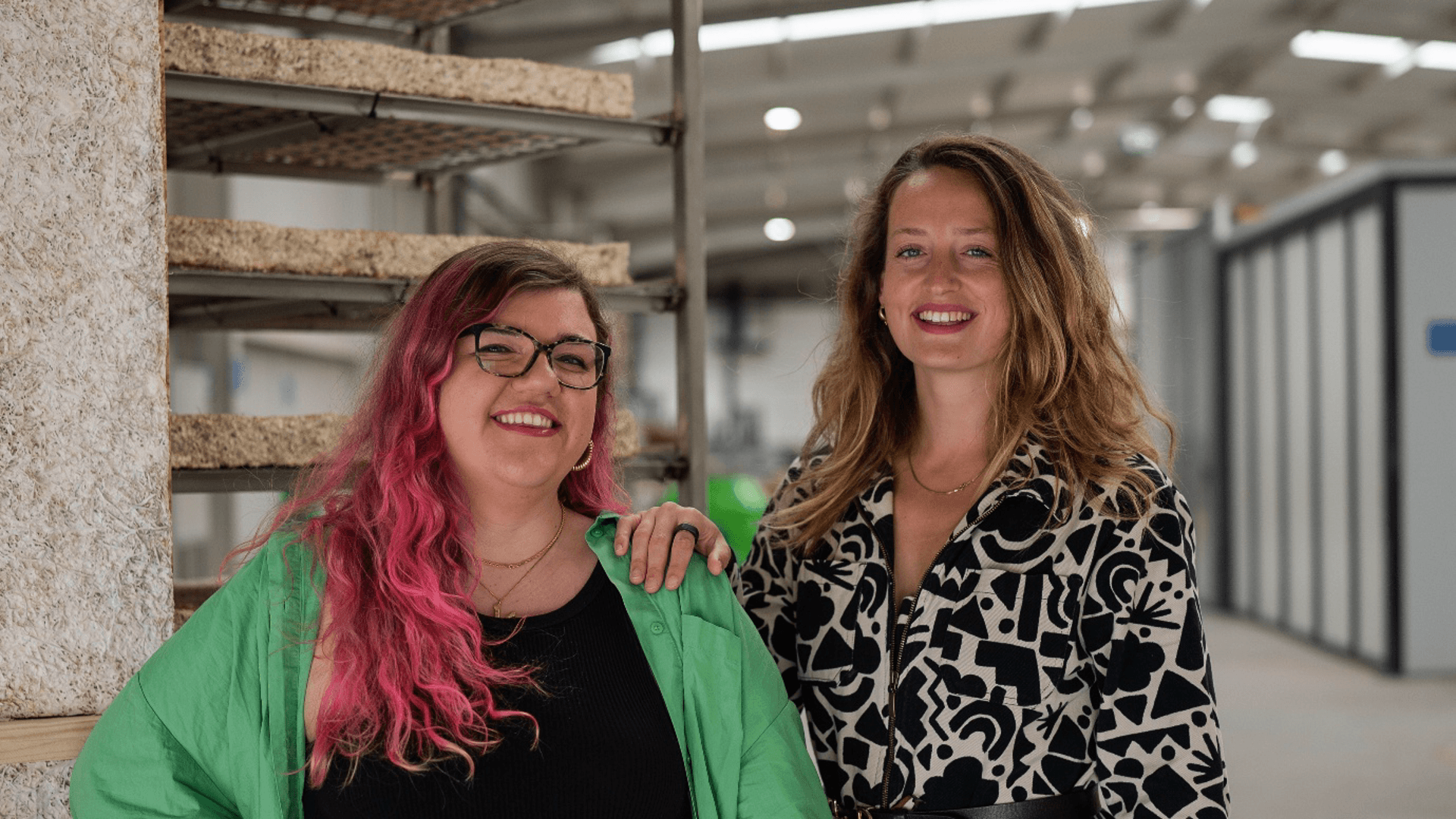
Mykor: Innovation and Sustainability in the Construction Sector
Mykor, a UK-based biotechnology company, has announced securing £4 million in funding. This capital aims to accelerate the scale-up of its innovative industrial biofabrication technologies, which enable the development of low-carbon construction materials from industrial and agricultural waste. The investment round was led by Clean Growth Fund, with participation from the British Business Bank, The FSE Group, Green Angel Ventures, and support from Innovate UK.
The construction sector is recognized as one of the largest contributors to global emissions, with increasing pressure on developers and contractors to reduce both embodied carbon in materials and operational carbon in buildings. In this context, many traditional insulation and construction materials are carbon-intensive, non-renewable, and difficult to recycle, highlighting the need for sustainable and technologically advanced alternatives.
From Research to Industrialization: The Challenge of Scalability
Founded in 2021, Mykor is dedicated to developing construction systems that integrate engineered mycelium, green chemistry, and industrial manufacturing processes. This approach allows for the creation of low-carbon alternatives to conventional building materials. The company focuses on converting agricultural and industrial waste streams into scalable construction products designed to meet mainstream fire safety, acoustic, and performance requirements.
Mykor positions itself not just as a materials manufacturer, but as a technology and process platform. This model enables contractors and manufacturers to integrate biomaterials into existing production lines and construction systems. Its first commercial product, MykoSIP, is a prefabricated partition wall system designed to reduce embodied carbon while maintaining comparable thermal and acoustic performance to conventional alternatives. The company also emphasizes that the production of these panels requires significantly less water and electricity compared to polystyrene-based systems.
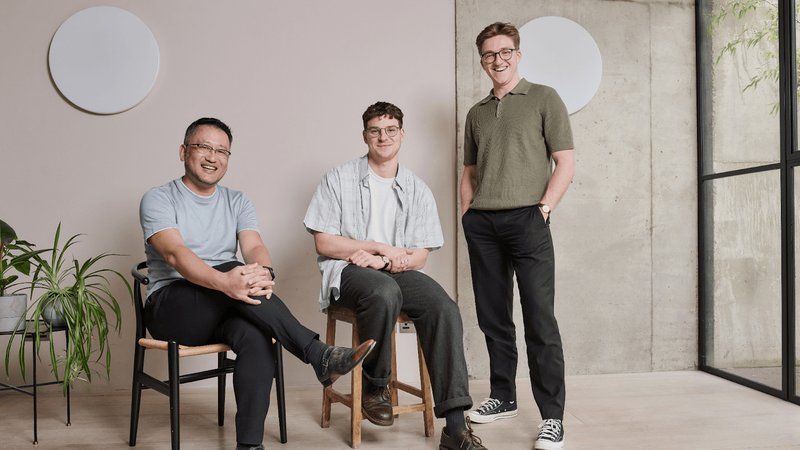
According to Olivia Page, Mykor's co-founder, the company was built around the idea that lower-carbon construction materials must remain commercially viable and practical for large-scale adoption. The challenge is not just inventing a biomaterial, but successfully manufacturing these systems at an industrial scale and integrating them effectively into real construction supply chains.
Implications for Infrastructure and TCO: A Parallel with AI Systems
Mykor's challenge in bringing an innovative technology from research and development to large-scale industrial production offers a significant parallel to the dynamics observed in the deployment of Large Language Models (LLM) and other artificial intelligence solutions. For companies evaluating self-hosted or on-premise LLM deployments, considerations regarding scalability, integration into existing infrastructure, and Total Cost of Ownership (TCO) are crucial.
Just as Mykor must ensure its biomaterials meet stringent performance standards and are compatible with current construction pipelines, CTOs and infrastructure architects must ensure that on-premise LLM systems deliver the required throughput and low latency, integrating seamlessly with enterprise systems. This includes managing hardware, such as GPU VRAM for inference, and optimizing the entire deployment pipeline. The need to invest in dedicated infrastructure, whether for biofabrication or AI, requires careful analysis of initial CapEx and long-term OpEx, including energy and maintenance costs. For those evaluating on-premise deployments, AI-RADAR offers analytical frameworks on /llm-onpremise to assess these trade-offs, highlighting how data sovereignty and compliance can influence infrastructure decisions, similar to how building regulations drive innovation at Mykor.
Future Prospects and Market Impact
The funding secured by Mykor comes at a time when building regulations across the UK and Europe are tightening, fueling a growing demand for lower-carbon construction materials and more energy-efficient building systems. This regulatory and market context creates a favorable environment for the adoption of innovative solutions like those proposed by Mykor.
The company is already working on active construction projects and has signed significant offtake agreements with contractors across the UK and Europe. The new funds will be used to support production scale-up and expansion into additional markets, solidifying Mykor's position as a key player in the transition towards more sustainable construction. Mykor's experience underscores how innovation, supported by targeted investments, can address complex challenges, both in the construction sector and, by analogy, in artificial intelligence, where scalability and integration are decisive factors for commercial success and technological impact.





💬 Comments (0)
🔒 Log in or register to comment on articles.
No comments yet. Be the first to comment!