Geopolitica e Tecnologia: Un Nodo Cruciale
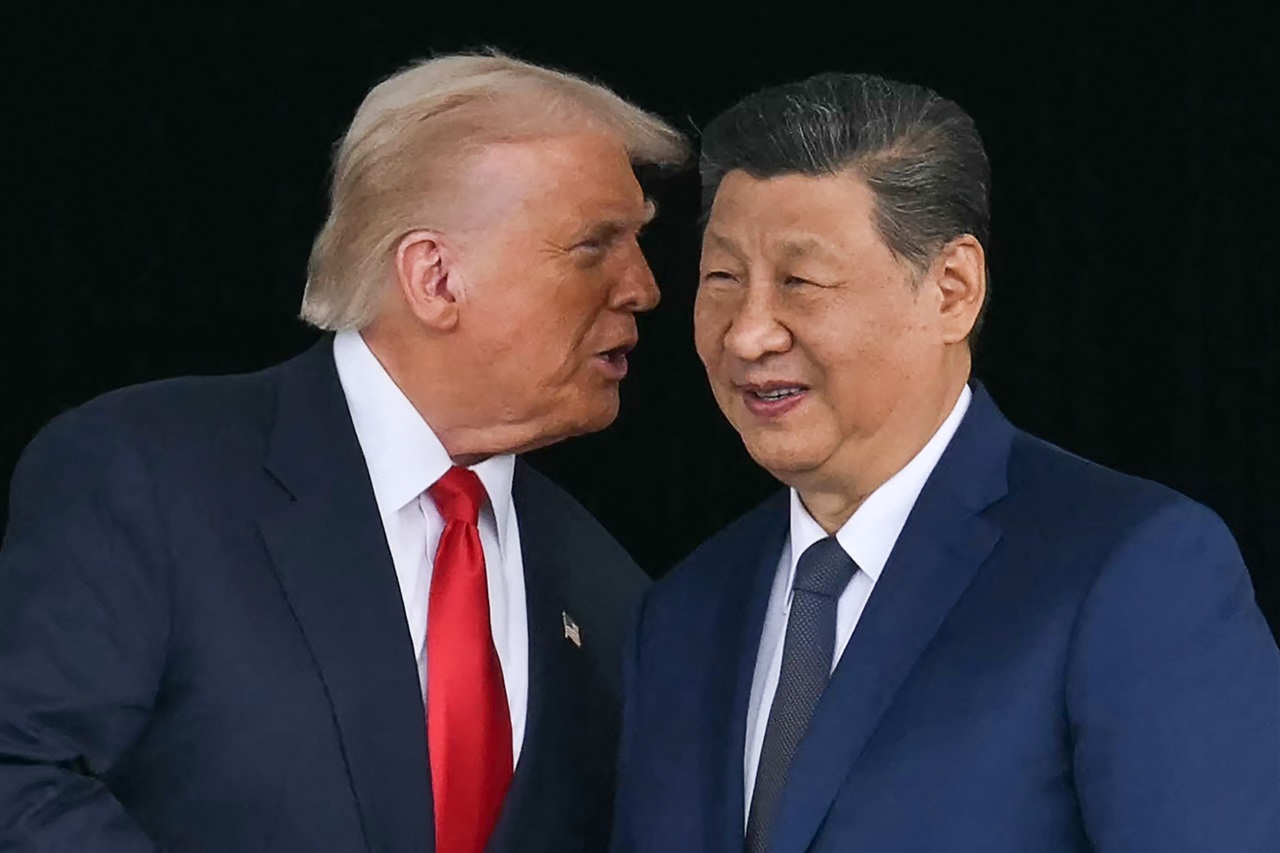
I recenti negoziati commerciali tra Stati Uniti e Cina si sono rivelati un banco di prova significativo per l'influenza reciproca delle due potenze globali. Al centro delle discussioni non vi sono solo le tradizionali questioni legate alle terre rare e ai dazi, ma anche il ruolo strategico dell'intelligenza artificiale (AI). Questa convergenza di temi sottolinea come la tecnicia, e in particolare l'AI, sia diventata un elemento cardine nelle dinamiche geopolitiche ed economiche internazionali.
La posta in gioco è alta, poiché le decisioni prese in questi contesti possono avere ripercussioni profonde sulla catena di approvvigionamento globale, sui costi di produzione e, in ultima analisi, sulle strategie di adozione e deployment dell'AI in settori chiave. Per le aziende che operano con carichi di lavoro AI, comprendere queste dinamiche è fondamentale per pianificare investimenti e infrastrutture a lungo termine.
Terre Rare, Dazi e la Pipeline di Approvvigionamento AI
Le terre rare sono minerali essenziali per la produzione di componenti elettronici avanzati, inclusi quelli utilizzati in processori, sensori e magneti ad alte prestazioni, tutti elementi cruciali per l'hardware AI. La loro disponibilità e il loro costo sono direttamente influenzati dalle politiche commerciali e dai dazi. Un aumento dei dazi o restrizioni sull'esportazione di questi materiali possono causare fluttuazioni significative nei prezzi dei componenti, rendendo più costoso l'acquisto e la manutenzione di infrastrutture dedicate all'AI.
Questo scenario impatta direttamente la produzione di GPU, chip specializzati per l'accelerazione dell'AI e altri dispositivi hardware. Le aziende che dipendono da una catena di approvvigionamento globale per l'acquisto di queste risorse si trovano a dover affrontare incertezze e potenziali aumenti del TCO (Total Cost of Ownership) per i loro sistemi AI. La volatilità del mercato può spingere le organizzazioni a riconsiderare le proprie strategie di sourcing e a valutare alternative per mitigare i rischi.
Implicazioni per il Deployment On-Premise e la Sovranità dei Dati
Per le organizzazioni che valutano il deployment di LLM e altri carichi di lavoro AI on-premise, le tensioni commerciali tra USA e Cina aggiungono un ulteriore livello di complessità. La disponibilità e il costo dell'hardware sono fattori critici nella decisione tra soluzioni self-hosted e servizi cloud. Un'instabilità nella catena di approvvigionamento può ritardare l'espansione delle infrastrutture on-premise o aumentarne i costi iniziali (CapEx) e operativi (OpEx).
In questo contesto, la sovranità dei dati e la compliance normativa diventano ancora più rilevanti. Le aziende che scelgono il deployment on-premise spesso lo fanno per mantenere un controllo completo sui propri dati e per operare in ambienti air-gapped, garantendo la massima sicurezza e aderenza a regolamentazioni come il GDPR. Tuttavia, la dipendenza da fornitori esterni per l'hardware critico può creare vulnerabilità. Per chi valuta deployment on-premise, AI-RADAR offre framework analitici su /llm-onpremise per valutare trade-off e ottimizzare le scelte infrastrutturali in scenari complessi.
Prospettive Future e Resilienza Tecnologica
La centralità dell'AI nei negoziati commerciali tra le maggiori economie mondiali evidenzia la sua importanza strategica non solo come motore di innovazione, ma anche come strumento di influenza geopolitica. Le nazioni e le aziende sono sempre più consapevoli della necessità di costruire catene di approvvigionamento resilienti e di investire in capacità produttive interne per ridurre la dipendenza da singole fonti o regioni.
Questo scenario potrebbe accelerare la ricerca e lo sviluppo di nuove tecnicie e materiali, nonché la diversificazione dei fornitori. La capacità di un'azienda di sviluppare e deployare soluzioni AI in modo autonomo, controllando l'intera pipeline tecnicica, diventerà un fattore distintivo. La resilienza tecnicica, intesa come la capacità di affrontare interruzioni e incertezze, sarà un imperativo per chiunque intenda rimanere competitivo nel panorama AI globale.









💬 Commenti (0)
🔒 Accedi o registrati per commentare gli articoli.
Nessun commento ancora. Sii il primo a commentare!