
Nexus Luxembourg: A Crossroads for European AI
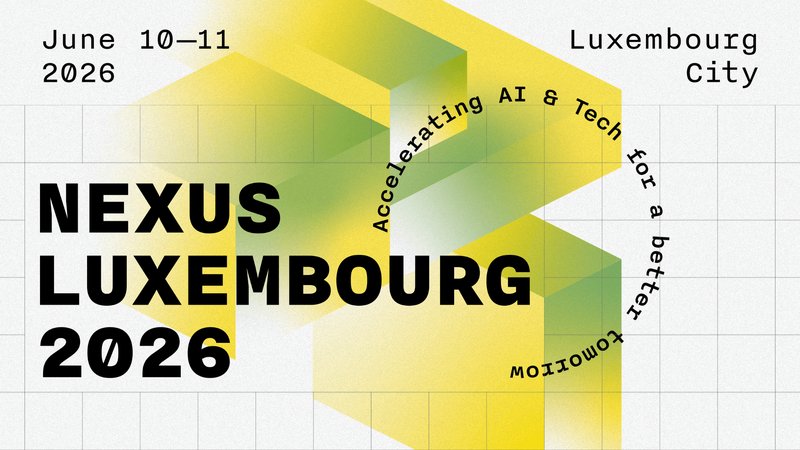
The Grand Duchy of Luxembourg is preparing to host the third edition of Nexus, its flagship tech summit, scheduled for June 10 and 11. This year, the event takes on particular significance, positioned just weeks before the most impactful provisions of the EU AI Act, Europe's artificial intelligence regulation, come into force.
Despite its modest size, with a population smaller than Manchester's, Luxembourg has carved out a prominent role in the European landscape, serving as a crossroads for crucial discussions that will shape the future of AI on the continent. Nexus thus confirms itself as a regular fixture for decision-makers and industry experts.
The EU AI Act and its Implications for Deployment
The EU AI Act represents an ambitious attempt to regulate artificial intelligence, emphasizing ethics, transparency, and security. The imminent entry into force of its most impactful clauses raises significant questions for companies developing and implementing AI solutions, particularly regarding the deployment of Large Language Models (LLM) and other advanced technologies.
New rules could prompt organizations to reconsider their deployment strategies, favoring solutions that offer greater control over data and models. This scenario makes self-hosted and on-premise options particularly attractive for ensuring full regulatory compliance and data sovereignty, increasingly critical aspects in regulated sectors such as finance or healthcare.
Data Sovereignty and Local Infrastructures
Data sovereignty is a fundamental pillar for many European companies, especially those managing sensitive or strategic information. The EU AI Act reinforces this need, making it essential for organizations to have full visibility and control over where data is processed and stored. On-premise or hybrid infrastructures offer the necessary level of control to meet stringent compliance requirements and to operate in air-gapped environments.
Deploying LLMs on local stacks requires careful infrastructure planning, considering aspects such as available VRAM on GPUs, throughput for inference, and pipeline management. For those evaluating these alternatives, there are significant trade-offs in terms of TCO, flexibility, and scalability compared to cloud solutions. AI-RADAR offers analytical frameworks on /llm-onpremise to support CTOs and infrastructure architects in evaluating these constraints and opportunities.
The Future of AI in Europe: Between Innovation and Regulation
Events like Nexus Luxembourg are essential for facilitating dialogue among innovators, regulators, and technology leaders. The discussion on the implications of the EU AI Act is not just about compliance but also about defining a path for responsible innovation that can thrive within a clear and robust regulatory framework.
Luxembourg, with its strategic position and commitment to the technology sector, confirms itself as a key player in this debate. The summit offers a unique platform to explore how companies can navigate the new regulatory landscape while continuing to harness the transformative potential of artificial intelligence, balancing the drive for innovation with the need for security and trust.





💬 Comments (0)
🔒 Log in or register to comment on articles.
No comments yet. Be the first to comment!