Nichicon Raises Electrolytic Capacitor Prices: Supply Chain Impact
Nichicon, one of the leading global manufacturers of electrolytic capacitors, has announced a price increase for its products. The news, reported by DIGITIMES, highlights increasing pressure on the supply chain and a generalized rise in production costs, factors that are prompting the company to adjust its pricing.
This price adjustment is not an isolated event but is part of a broader context of volatility that has characterized the electronic components market in recent years. Supply chain disruptions, fluctuations in raw material prices, and logistical challenges continue to pose significant obstacles for hardware manufacturers worldwide.
Technical Details and Context
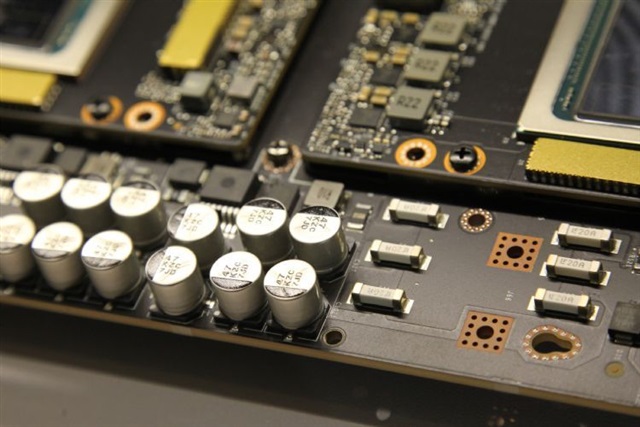
Electrolytic capacitors are fundamental components in almost every modern electronic device. They play a crucial role in power stabilization, noise filtering, and energy storage, which are essential for the proper functioning of motherboards, power supplies, GPUs, and other complex circuits. Their quality and availability directly influence the reliability and performance of hardware.
An increase in costs for these basic components cascades down the entire production chain. From servers to high-performance graphics cards, every element of IT infrastructure relies on a stable and cost-controlled supply of these and other passive components. Companies designing and building hardware for intensive workloads, such as those required by Large Language Models (LLMs), will have to absorb or pass on these higher costs.
Implications for Industry and On-Premise Deployments
For organizations evaluating or already implementing on-premise AI and LLM solutions, the increase in prices for components like electrolytic capacitors has direct implications for the Total Cost of Ownership (TCO). The initial investment (CapEx) for purchasing servers, GPUs, and other hardware infrastructure may increase, making financial planning more complex.
Data sovereignty and control over infrastructure are often key motivations for choosing a self-hosted or air-gapped deployment. However, the volatility of component costs can erode some of the expected economic advantages compared to cloud solutions. It is crucial for CTOs, DevOps leads, and infrastructure architects to closely monitor these market trends and include them in their trade-off analyses. AI-RADAR, for instance, offers analytical frameworks on /llm-onpremise to evaluate these aspects, providing tools to compare the constraints and opportunities of different approaches.
Future Outlook
Nichicon's decision reflects a broader trend of tensions in global supply chains, which shows no signs of abating. Companies in the technology sector must continue to develop resilience strategies, diversifying suppliers and optimizing inventories to mitigate the impact of future price increases or component shortages. The ability to manage these complexities will be a critical factor in maintaining competitiveness and ensuring operational continuity.
In a landscape where hardware is the foundation for innovation in LLMs and AI, the stability of basic component costs is essential. Investment decisions in on-premise infrastructure will require increasingly in-depth analysis of supply chain risks, balancing the desire for control and data sovereignty with the need for efficient TCO management.






💬 Comments (0)
🔒 Log in or register to comment on articles.
No comments yet. Be the first to comment!