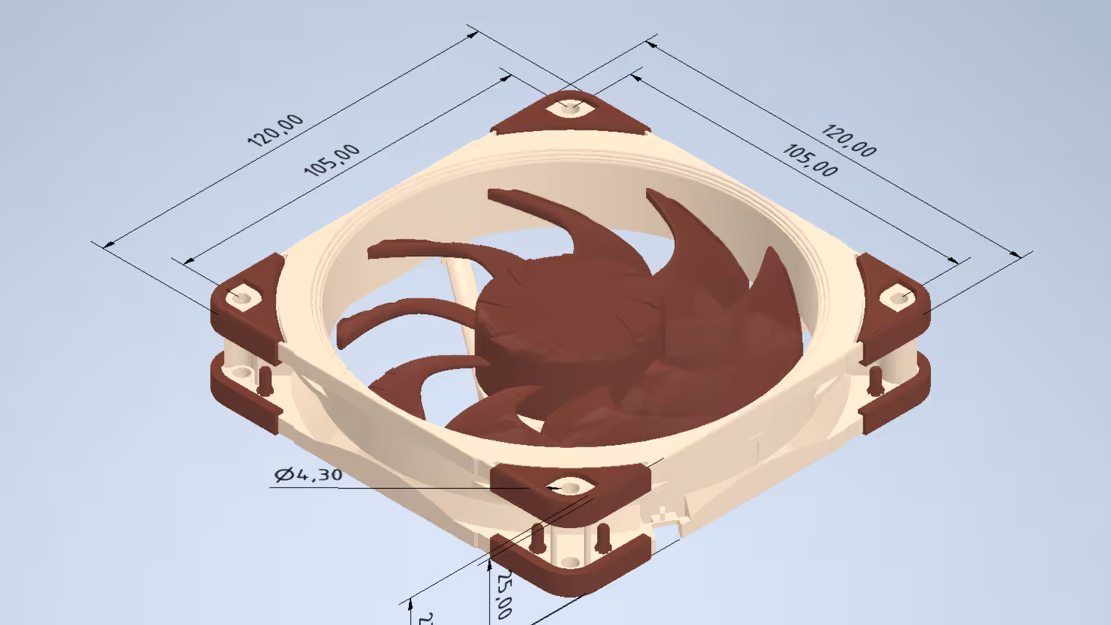
L'iniziativa di Noctua per la personalizzazione hardware
Noctua, un nome di riferimento nel settore delle soluzioni di raffreddamento per PC e server, ha annunciato una mossa significativa che estende le possibilità di personalizzazione per i suoi utenti. L'azienda ha reso disponibili per il download gratuito i file CAD (Computer-Aided Design) di una selezione dei suoi prodotti di punta, inclusi ventole e accessori. Questa iniziativa permette a chiunque disponga di una stampante 3D di riprodurre o modificare questi componenti, aprendo nuove frontiere per l'adattamento e l'ottimizzazione delle configurazioni hardware.
La decisione di Noctua riflette una crescente domanda di flessibilità e controllo da parte degli utenti, in particolare in contesti dove le soluzioni standard potrebbero non essere sufficienti. Offrire i progetti digitali dei propri prodotti consente agli appassionati e ai professionisti di creare supporti personalizzati, condotti d'aria specifici o adattatori unici, superando i limiti delle offerte commerciali predefinite. Questo approccio si allinea con una filosofia di empowerment dell'utente, fornendo gli strumenti per affrontare sfide di raffreddamento complesse con soluzioni su misura.
Implicazioni per l'infrastruttura on-premise e gli LLM
Per le aziende che gestiscono infrastrutture on-premise, specialmente quelle dedicate a carichi di lavoro intensivi come l'addestramento e l'Inference di Large Language Models (LLM), la gestione termica è un fattore critico. Le GPU di fascia alta, essenziali per queste operazioni, generano quantità significative di calore, richiedendo sistemi di raffreddamento robusti ed efficienti. La possibilità di stampare in 3D accessori Noctua personalizzati può tradursi in vantaggi tangibili per i CTO, i responsabili DevOps e gli architetti di infrastruttura.
Ad esempio, è possibile progettare e stampare supporti specifici per ventole in chassis non standard, ottimizzare i flussi d'aria all'interno di server rack densamente popolati, o creare condotti che indirizzino l'aria fredda esattamente dove serve. Questa capacità di adattamento è particolarmente preziosa in ambienti air-gapped o self-hosted, dove le opzioni hardware possono essere limitate e la necessità di soluzioni personalizzate è più elevata. Un raffreddamento ottimizzato non solo migliora le prestazioni e la stabilità dei componenti, ma contribuisce anche a estenderne la vita utile, influenzando positivamente il TCO (Total Cost of Ownership) complessivo dell'infrastruttura.
Il valore della flessibilità e del controllo nel deployment
L'iniziativa di Noctua sottolinea un principio fondamentale per chi opera nel settore tech: il valore del controllo e della flessibilità. In un'epoca in cui molte soluzioni tendono verso ecosistemi chiusi, la scelta di rendere disponibili i file CAD rappresenta un passo verso una maggiore apertura, simile per certi versi alla filosofia dell'Open Source nel software. Questo approccio consente ai team IT di affrontare sfide uniche di deployment con strumenti che possono essere adattati alle loro esigenze specifiche, piuttosto che essere vincolati a soluzioni “off-the-shelf”.
Per le organizzazioni che privilegiano la sovranità dei dati e la compliance, l'adozione di infrastrutture self-hosted è spesso una priorità. In questi contesti, ogni componente hardware, inclusi i sistemi di raffreddamento, deve essere integrato e gestito con la massima precisione. La capacità di personalizzare le soluzioni di raffreddamento offre un ulteriore livello di controllo sull'ambiente fisico, garantendo che le condizioni operative siano ideali per le costose e potenti GPU e altri acceleratori utilizzati per i carichi di lavoro AI.
Prospettive future per l'ottimizzazione hardware
La mossa di Noctua potrebbe fungere da catalizzatore per altri produttori di hardware, incoraggiandoli a esplorare modelli simili di collaborazione con la propria base di utenti. L'apertura dei progetti CAD non solo stimola l'innovazione e la creatività nella comunità, ma fornisce anche un feedback prezioso per lo sviluppo futuro dei prodotti. Per il settore dell'intelligenza artificiale, dove l'efficienza hardware è direttamente correlata alla capacità di innovare e competere, ogni opportunità di ottimizzazione è benvenuta.
In conclusione, mentre la stampa 3D di ventole e accessori Noctua potrebbe sembrare un dettaglio per alcuni, per i professionisti che progettano e gestiscono infrastrutture AI on-premise, rappresenta uno strumento aggiuntivo per massimizzare le prestazioni, garantire la stabilità operativa e ottimizzare il TCO. È un esempio di come la flessibilità a livello di componenti possa avere un impatto significativo sulla strategia di deployment complessiva, specialmente quando si tratta di gestire il calore generato dai potenti stack hardware necessari per i Large Language Models.





💬 Commenti (0)
🔒 Accedi o registrati per commentare gli articoli.
Nessun commento ancora. Sii il primo a commentare!