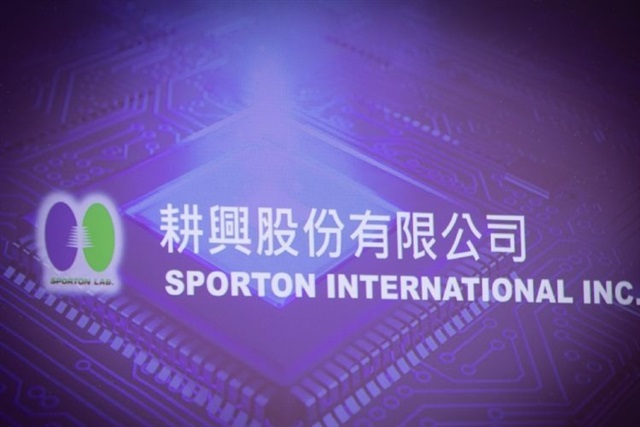
Sporton e l'onda delle normative FCC
Sporton, azienda taiwanese specializzata in servizi di testing, ha annunciato risultati finanziari eccezionali, raggiungendo il picco di profitto degli ultimi sei trimestri. Questo notevole successo è attribuibile a un'accelerazione della domanda di servizi di testing nell'isola, innescata da recenti modifiche alle normative della Federal Communications Commission (FCC) degli Stati Uniti. La notizia, riportata da DIGITIMES, sottolinea la profonda influenza che le decisioni regolatorie possono esercitare sull'economia globale e sui settori tecnicici specifici.
Le normative della FCC sono fondamentali per la certificazione di dispositivi elettronici e di telecomunicazione destinati al mercato statunitense. Qualsiasi modifica a queste regole può avere ripercussioni significative per i produttori e i fornitori di servizi a livello mondiale, in particolare per quelli che operano in hub manifatturieri come Taiwan. L'aumento della domanda di testing indica che le aziende si stanno adeguando ai nuovi requisiti, garantendo che i loro prodotti siano conformi prima di essere immessi sul mercato.
L'impatto delle regolamentazioni sulla supply chain tecnicica
Il caso di Sporton illustra chiaramente come le modifiche regolatorie possano agire da catalizzatore per la domanda in specifici segmenti della supply chain tecnicica. Quando enti come la FCC aggiornano i loro standard, le aziende devono reagire rapidamente, investendo in nuovi processi di verifica e certificazione. Questo non solo genera opportunità per i fornitori di servizi di testing, ma può anche influenzare la produzione e la disponibilità di componenti hardware.
Per le organizzazioni che dipendono da una supply chain globale per l'approvvigionamento di hardware critico – come GPU, server e componenti di rete necessari per i deployment di Large Language Models (LLM) – tali dinamiche di mercato sono cruciali. Un'impennata nella domanda di testing può, ad esempio, rallentare i tempi di consegna per nuovi prodotti o aumentare i costi associati alla conformità, fattori che si riflettono direttamente sul Total Cost of Ownership (TCO) complessivo di un'infrastruttura.
Implicazioni per i deployment AI on-premise
Per CTO, DevOps lead e architetti infrastrutturali che valutano soluzioni self-hosted per carichi di lavoro AI/LLM, comprendere l'impatto delle normative è essenziale. I deployment on-premise, in particolare quelli air-gapped o che richiedono elevati standard di sovranità dei dati, dipendono fortemente dalla disponibilità e dalla conformità dell'hardware. Se le modifiche normative aumentano la complessità o i costi della certificazione hardware, ciò può avere un effetto a cascata sulla pianificazione e sull'implementazione di stack locali.
La necessità di garantire che ogni componente hardware rispetti gli standard internazionali e locali è un vincolo non trascurabile. Questo è particolarmente vero per le banche, le istituzioni governative o le aziende con requisiti di compliance stringenti. La capacità di un fornitore di servizi come Sporton di rispondere a questa domanda di testing diventa quindi un indicatore della resilienza e dell'adattabilità della supply chain, elementi vitali per chi mira a costruire e mantenere un'infrastruttura AI robusta e conforme in locale. Per chi valuta deployment on-premise, AI-RADAR offre framework analitici su /llm-onpremise per valutare i trade-off tra costi, performance e requisiti di sovranità dei dati.
Prospettive future e la resilienza della supply chain
Il successo di Sporton in risposta alle modifiche della FCC evidenzia la costante evoluzione del panorama regolatorio e la sua influenza diretta sui mercati tecnicici. Per le aziende che investono in infrastrutture AI, specialmente quelle che privilegiano il controllo e la sovranità dei dati attraverso deployment self-hosted, monitorare queste dinamiche è fondamentale. La resilienza della supply chain, la capacità di adattarsi a nuove normative e la disponibilità di servizi di testing e certificazione affidabili sono tutti fattori che contribuiscono a mitigare i rischi e a ottimizzare il TCO a lungo termine.
In un'era in cui l'innovazione tecnicica procede a ritmi serrati, accompagnata da un crescente scrutinio normativo, la capacità di un'infrastruttura di supportare carichi di lavoro AI complessi dipende non solo dalle specifiche tecniche di GPU e VRAM, ma anche dalla solidità e dalla conformità dell'intera catena di approvvigionamento. Comprendere questi vincoli e trade-off è la chiave per decisioni di deployment informate e strategiche.









💬 Commenti (0)
🔒 Accedi o registrati per commentare gli articoli.
Nessun commento ancora. Sii il primo a commentare!