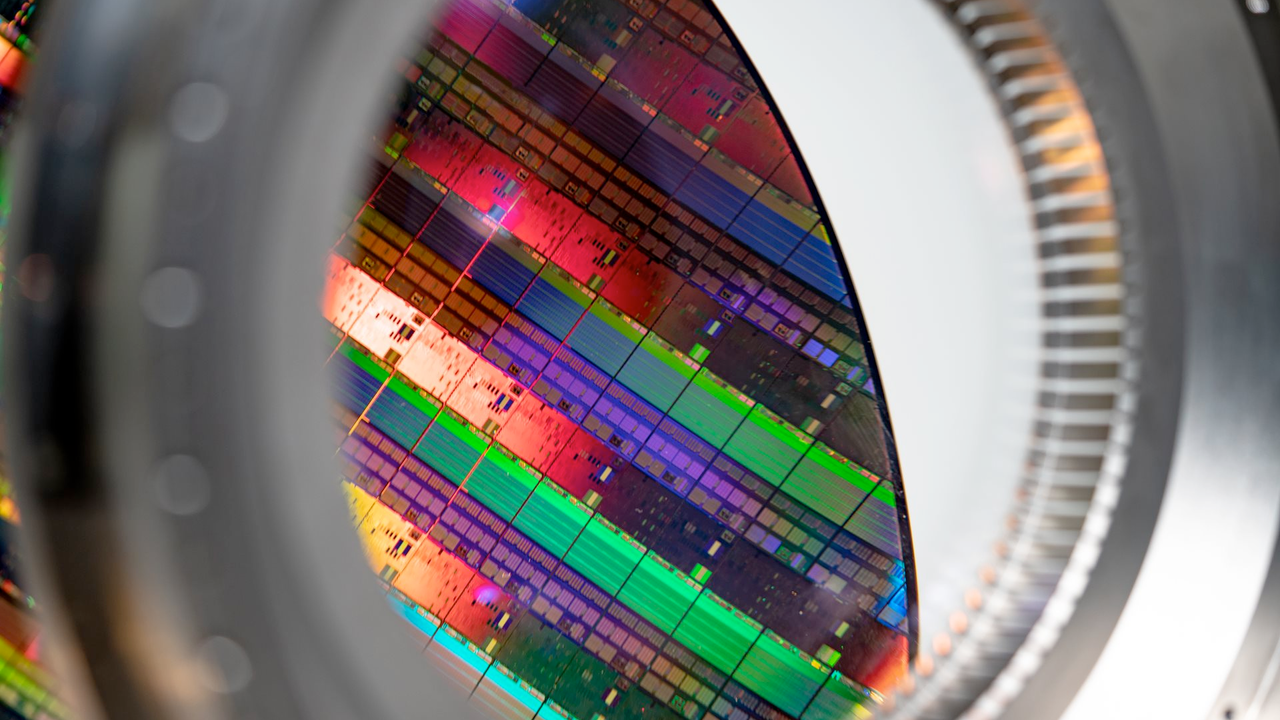
La Nuova Frontiera dell'Osservazione dei Chip
Il mondo della microelettronica è in costante evoluzione, spingendo i limiti della miniaturizzazione e della complessità dei chip. In questo scenario, emerge una nuova tecnicia che promette di rivoluzionare la comprensione del funzionamento interno delle CPU. Questa innovazione consente di "vedere" i transistor di un processore in azione, offrendo una finestra senza precedenti sui meccanismi operativi più intimi del silicio. La capacità di monitorare l'attività a livello di transistor potrebbe avere implicazioni profonde sia per la diagnostica avanzata che per la sicurezza informatica.
L'azienda ASML, leader riconosciuto nelle apparecchiature per la produzione di semiconduttori, è spesso al centro delle discussioni sulle tecnicie più avanzate del settore. Sebbene la fonte non specifichi il suo ruolo esatto in questa scoperta, la menzione di ASML suggerisce un contesto di ricerca e sviluppo all'avanguardia nel campo della litografia e dell'analisi dei chip, dove la capacità di ispezionare il silicio con tale granularità è fondamentale per migliorare i processi produttivi e la qualità dei prodotti finali.
Radiazioni Terahertz: Una Doppia Lama per la Sicurezza
Al centro di questa tecnicia vi è l'utilizzo delle radiazioni terahertz. Queste onde elettromagnetiche, che si posizionano nello spettro tra le microonde e l'infrarosso, possiedono proprietà uniche che le rendono ideali per penetrare materiali non conduttivi e rivelare dettagli strutturali e dinamici a livello microscopico. Nel contesto dei chip, le radiazioni terahertz possono interagire con i campi elettrici e magnetici generati dai transistor in funzione, permettendo di mappare la loro attività in tempo reale.
Tuttavia, questa capacità di osservazione porta con sé una potenziale minaccia significativa: il furto di dati. Se è possibile "vedere" i transistor in azione, è teoricamente possibile decifrare i pattern di attività che corrispondono all'elaborazione di dati sensibili. Questo scenario apre la porta a nuove forme di attacchi side-channel, dove le informazioni non vengono sottratte tramite vulnerabilità software, ma attraverso l'analisi fisica delle emissioni o delle risposte del chip durante il suo normale funzionamento. La possibilità di estrarre dati mentre un chip è operativo rappresenta una sfida inedita per la sicurezza hardware.
Implicazioni per la Sovranità dei Dati e i Deployment On-Premise
La prospettiva di attacchi basati su radiazioni terahertz ha ripercussioni dirette per le organizzazioni che prioritizzano la sovranità dei dati e i deployment on-premise. Per CTO, DevOps lead e architetti infrastrutturali, la sicurezza fisica e logica dell'hardware è un pilastro fondamentale. Se un attaccante potesse accedere fisicamente a un server e utilizzare questa tecnicia per spiare le CPU, le garanzie di protezione dei dati, anche in ambienti air-gapped, potrebbero essere compromesse.
Questo scenario aggiunge un ulteriore strato di complessità alla valutazione del TCO e dei rischi associati alle infrastrutture self-hosted. La scelta di mantenere i carichi di lavoro AI/LLM on-premise è spesso motivata dalla necessità di un controllo totale sui dati e sull'hardware. Tuttavia, se emergono vulnerabilità a livello di silicio, è imperativo che le strategie di sicurezza si evolvano per includere contromisure contro queste minacce avanzate. Per chi valuta deployment on-premise, AI-RADAR offre framework analitici su /llm-onpremise per valutare i trade-off tra sicurezza, performance e costi, considerando anche scenari di rischio emergenti come questo.
Il Futuro della Sicurezza Hardware
La scoperta di questa capacità di osservazione e il potenziale rischio di furto dati tramite radiazioni terahertz sottolineano l'importanza di una ricerca continua nella sicurezza hardware. I produttori di chip dovranno esplorare nuove architetture e tecniche di schermatura per mitigare queste minacce. Ciò potrebbe includere lo sviluppo di materiali più opachi alle radiazioni terahertz, l'implementazione di contromisure attive a livello di silicio o l'adozione di tecniche di offuscamento dei segnali interni.
La battaglia per la sicurezza dei dati si sposta sempre più in profondità, dal software all'hardware, fino al livello dei transistor. Per le aziende che gestiscono dati sensibili e modelli di intelligenza artificiale critici, rimanere aggiornati su queste minacce emergenti e adattare le proprie strategie di sicurezza sarà cruciale per mantenere l'integrità e la riservatezza delle proprie operazioni. La collaborazione tra ricercatori, produttori di chip e esperti di sicurezza sarà fondamentale per affrontare queste sfide e garantire un futuro digitale più sicuro.





💬 Commenti (0)
🔒 Accedi o registrati per commentare gli articoli.
Nessun commento ancora. Sii il primo a commentare!