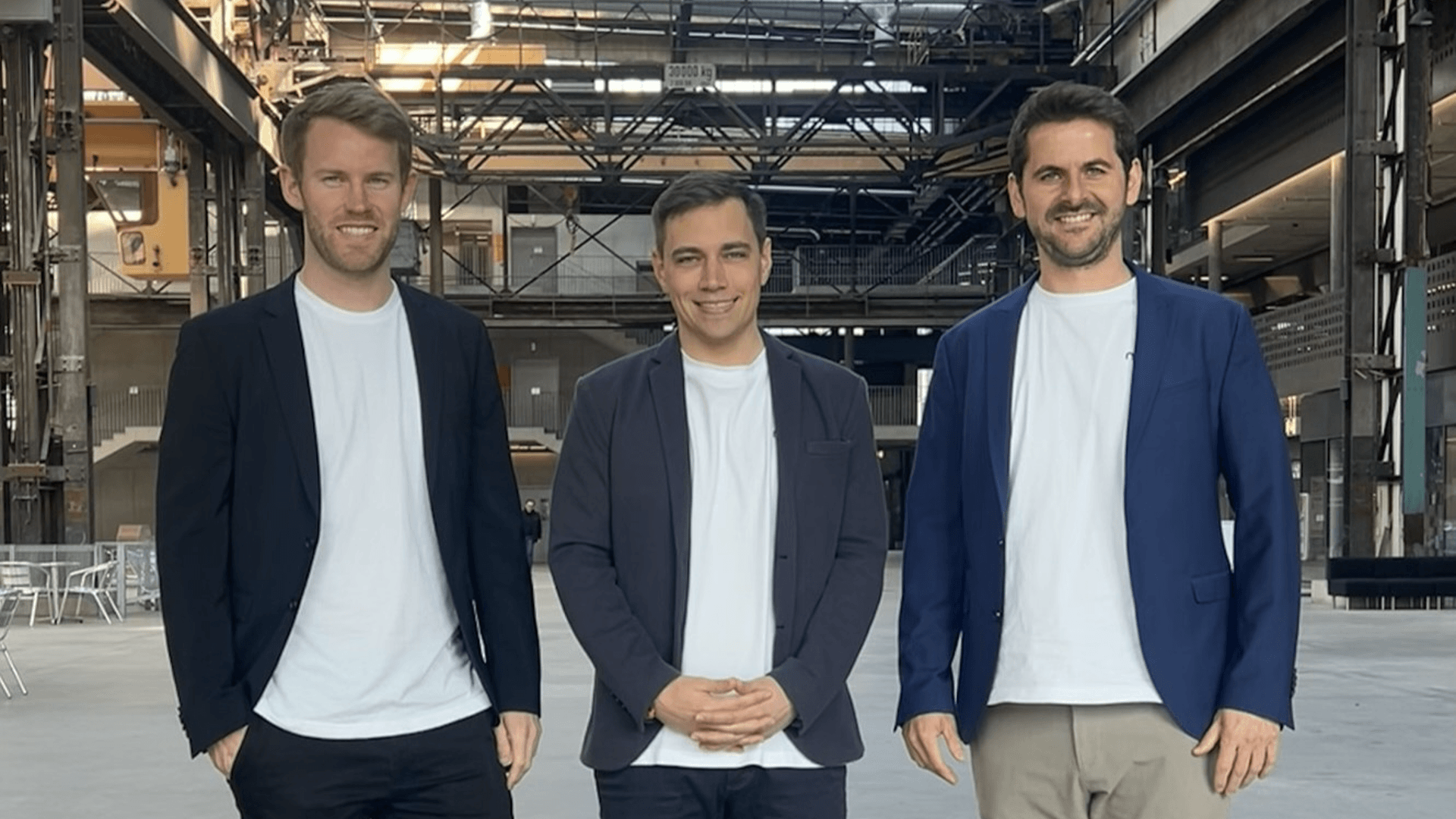
Nureo e il Futuro della Progettazione 3D Automatizzata
La startup ICT nureo ha recentemente annunciato di aver ottenuto un finanziamento di 163.000 euro (150.000 CHF) da Venture Kick. Questo capitale è destinato a sostenere lo sviluppo di strumenti di progettazione 3D intelligenti, con l'obiettivo primario di ridurre il carico di lavoro manuale e accelerare significativamente i processi di sviluppo prodotto nel settore industriale.
Per decenni, gli strumenti di progettazione ingegneristica hanno visto un'evoluzione limitata. La creazione di modelli 3D per componenti e macchinari rimane un processo laborioso e ripetitivo, che spesso richiede giorni o addirittura settimane per essere completato. Questa inefficienza si traduce in costi elevati, cicli di iterazione lenti e tempi di immissione sul mercato prolungati, problematiche che nureo intende affrontare con la sua proposta innovativa.
L'Innovazione nella Progettazione 3D
Per superare queste sfide, nureo sta sviluppando un software di progettazione 3D automatizzato. Questa piattaforma è in grado di convertire specifiche e vincoli definiti dall'utente in geometrie pronte per la produzione. L'approccio consente agli ingegneri di generare design personalizzati per diverse applicazioni e metodi di produzione, riducendo lo sforzo manuale fino al 90%.
Tale automazione non solo migliora la produttività, ma accorcia anche i cicli di iterazione e supporta una qualità di design più coerente tra i team. Concentrandosi sulla progettazione generativa e sull'automazione, nureo si posiziona in un segmento in rapida espansione, alimentato dalla crescente integrazione del software nei workflow ingegneristici.
Implicazioni per l'Framework e il TCO
L'adozione di strumenti di progettazione intelligenti e automatizzati, come quelli proposti da nureo, solleva importanti considerazioni per le aziende che valutano l'infrastruttura IT. La capacità di generare geometrie complesse da specifiche astratte spesso si basa su algoritmi avanzati di machine learning o intelligenza artificiale, che possono richiedere risorse computazionali significative, come GPU ad alte prestazioni.
Per le organizzazioni che gestiscono dati di progettazione sensibili o proprietari, la sovranità dei dati e la compliance normativa diventano priorità assolute. In questi contesti, un deployment on-premise o ibrido può offrire maggiore controllo, sicurezza e latenza ridotta rispetto alle soluzioni basate esclusivamente su cloud. La valutazione del TCO (Total Cost of Ownership) è cruciale, considerando non solo i costi iniziali di hardware e software, ma anche le spese operative a lungo termine, il consumo energetico e la gestione dell'infrastruttura. AI-RADAR offre framework analitici su /llm-onpremise per valutare questi trade-off.
Prospettive Future e Mercato di Riferimento
Il finanziamento ottenuto da Venture Kick sosterrà l'espansione del team di nureo, sia nell'ingegneria che nello sviluppo commerciale. Questo permetterà un'accelerazione nell'avanzamento del prodotto e nella scalabilità commerciale. Una priorità chiave sarà la conversione dei progetti pilota iniziali in flussi di entrate ricorrenti, capitalizzando sulle prime validazioni di mercato.
Parallelamente, l'azienda intende rafforzare la propria presenza a fiere e conferenze internazionali. L'obiettivo è espandere la propria pipeline di vendita, approfondire il coinvolgimento dei clienti e sviluppare ulteriormente la propria offerta. I clienti di nureo includono OEM industriali e PMI, come costruttori di macchine, produttori di componenti e fornitori di servizi di ingegneria, tutti alla ricerca di soluzioni di sviluppo prodotto più efficienti e scalabili.








💬 Commenti (0)
🔒 Accedi o registrati per commentare gli articoli.
Nessun commento ancora. Sii il primo a commentare!