La Visione di Nvidia sulla Supremacy dell'Hardware AI
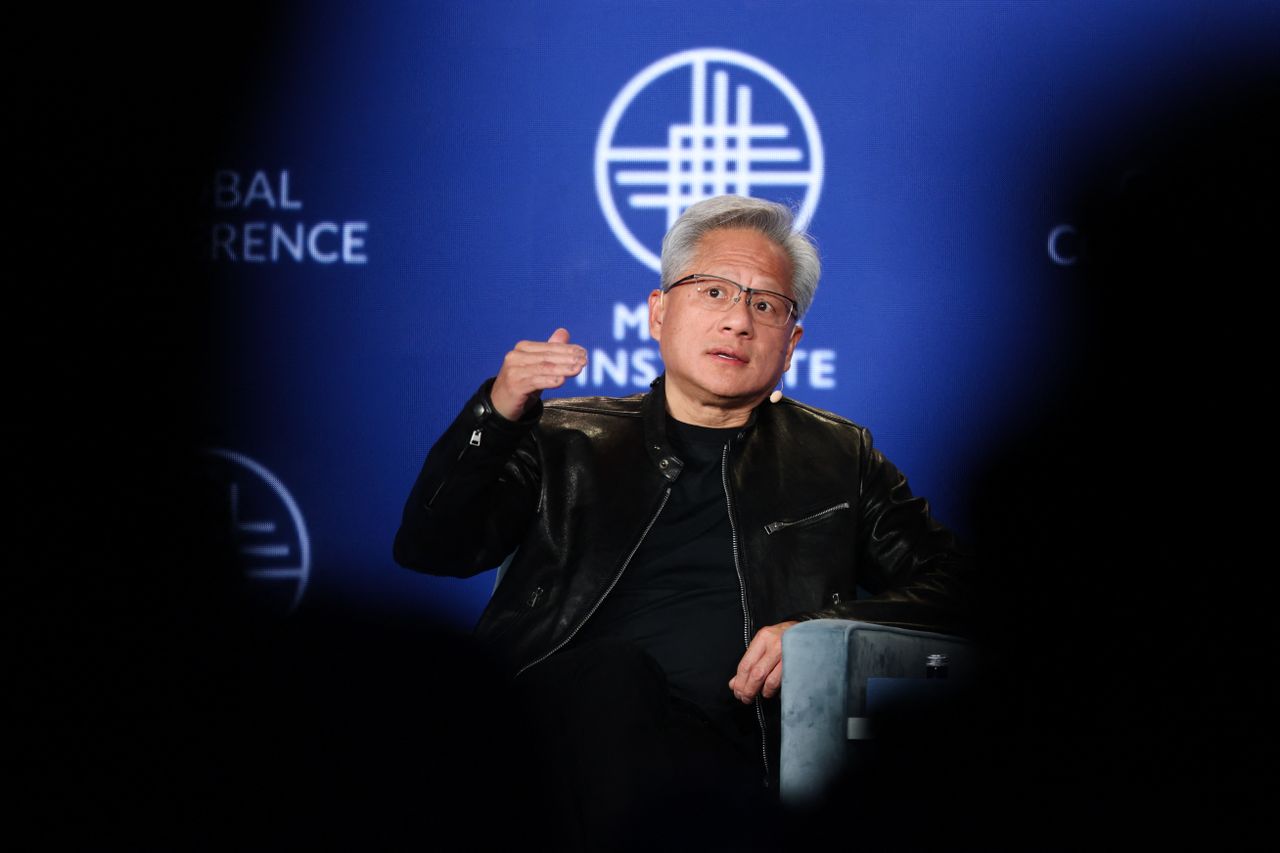
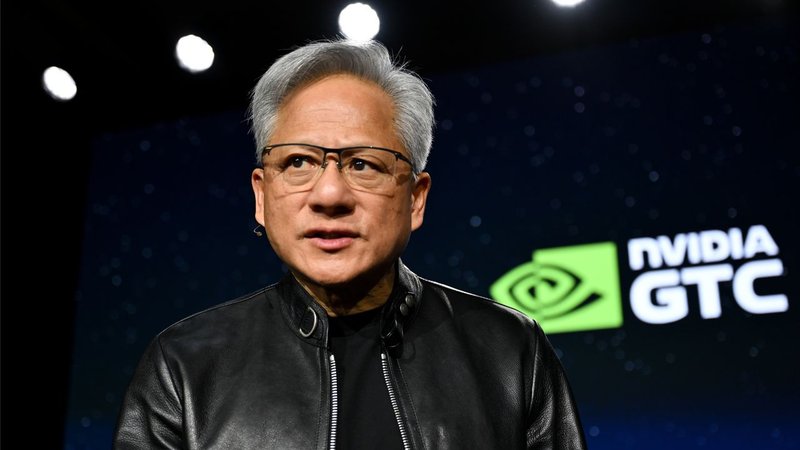
Jensen Huang, CEO di Nvidia, ha recentemente ribadito una posizione ferma riguardo alla distribuzione delle prossime generazioni di GPU per l'intelligenza artificiale, le architetture Blackwell e Rubin. Huang ha dichiarato esplicitamente che la Cina non dovrebbe avere accesso a queste tecnicie all'avanguardia, sostenendo che gli Stati Uniti dovrebbero detenere "il primo, il più e il migliore" in termini di hardware AI. Questa affermazione non è solo una dichiarazione di intenti commerciali, ma riflette una più ampia strategia geopolitica che vede l'hardware AI come un asset critico per la sicurezza nazionale e la competitività economica.
La posizione di Huang sottolinea l'importanza strategica che le GPU avanzate hanno assunto nel panorama tecnicico globale. Con lo sviluppo esponenziale dei Large Language Models (LLM) e di altre applicazioni di intelligenza artificiale, la capacità di addestrare e eseguire l'Inference su questi modelli dipende direttamente dalla disponibilità di silicio ad alte prestazioni. Le architetture come Blackwell e Rubin sono progettate per offrire salti generazionali in termini di potenza di calcolo, efficienza energetica e capacità di memoria, elementi fondamentali per spingere i confini dell'AI.
Il Contesto Geopolitico e l'Accesso all'Hardware
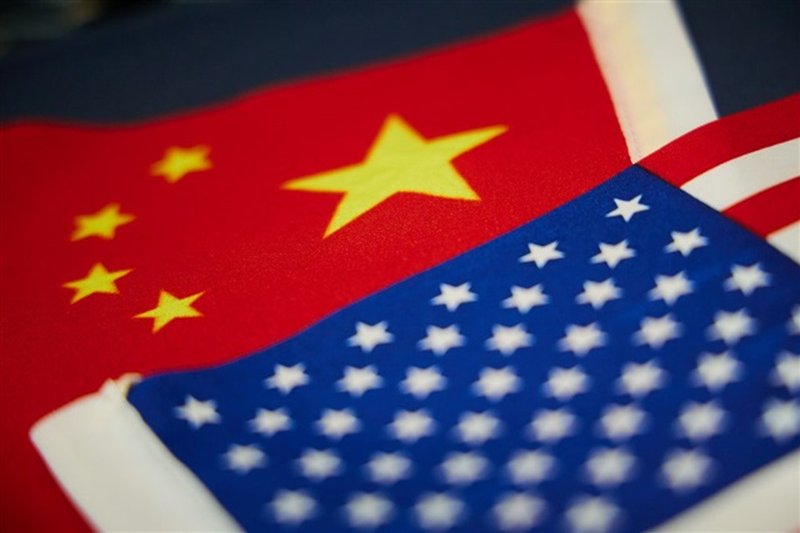
Le dichiarazioni di Huang si inseriscono in un contesto di crescenti tensioni geopolitiche, in particolare tra Stati Uniti e Cina, riguardo al controllo delle tecnicie chiave. L'accesso a GPU di ultima generazione non è più solo una questione di vantaggio competitivo per le aziende, ma è diventato un fattore determinante per la sovranità tecnicica di una nazione. La capacità di sviluppare e implementare sistemi di AI avanzati, dalla difesa all'innovazione industriale, è intrinsecamente legata alla disponibilità di hardware specializzato.
Per le aziende e le istituzioni che valutano deployment di AI, sia in cloud che on-premise, queste dinamiche geopolitiche hanno implicazioni dirette. La restrizione sull'esportazione di determinate tecnicie può influenzare la supply chain, i costi e la disponibilità a lungo termine dell'hardware necessario. Questo scenario impone una pianificazione strategica attenta, considerando non solo le specifiche tecniche delle GPU, ma anche i rischi legati all'approvvigionamento e alla conformità normativa.
Implicazioni per i Deployment On-Premise e la Sovranità dei Dati
La preferenza per i deployment on-premise, self-hosted o in ambienti air-gapped è spesso motivata da esigenze di sovranità dei dati, compliance e controllo sui costi operativi a lungo termine (TCO). Tuttavia, la disponibilità limitata di hardware di punta può complicare queste strategie. Le organizzazioni che operano in regioni soggette a restrizioni potrebbero trovarsi a dover scegliere tra soluzioni meno performanti o a dover investire in alternative locali, con potenziali impatti su performance e costi.
Per i CTO, i responsabili DevOps e gli architetti infrastrutturali, la scelta dell'hardware per carichi di lavoro AI/LLM diventa un esercizio di bilanciamento tra prestazioni, costi e resilienza della supply chain. La capacità di accedere a GPU come Blackwell e Rubin può significare la differenza tra un'Inference rapida ed efficiente e colli di bottiglia significativi. AI-RADAR, con il suo focus su LLM on-premise e stack locali, offre framework analitici su /llm-onpremise per aiutare a valutare questi trade-off complessi, fornendo strumenti per comprendere i vincoli e le opportunità in un mercato hardware in continua evoluzione.
Prospettive Future e Strategie di Mitigazione
Le dichiarazioni di Jensen Huang evidenziano una chiara direzione strategica per Nvidia e per l'industria dell'AI in generale. Mentre gli Stati Uniti mirano a consolidare la loro leadership nell'hardware AI, altre nazioni potrebbero essere spinte a intensificare gli sforzi per sviluppare capacità di produzione di silicio indipendenti o a esplorare architetture alternative. Questo potrebbe portare a una diversificazione del panorama hardware nel medio-lungo termine, con l'emergere di nuovi attori e tecnicie.
Per le imprese, la strategia di mitigazione potrebbe includere la diversificazione dei fornitori, l'ottimizzazione dei modelli per hardware meno recente o la collaborazione con partner locali per lo sviluppo di soluzioni personalizzate. La comprensione approfondita delle specifiche hardware, come la VRAM, il throughput e la latenza, rimane cruciale per massimizzare l'efficienza dei deployment esistenti e futuri, indipendentemente dalle restrizioni geopolitiche. Il mercato dell'hardware AI è destinato a rimanere un campo di battaglia strategico, con implicazioni profonde per l'innovazione e la competitività globale.






💬 Commenti (0)
🔒 Accedi o registrati per commentare gli articoli.
Nessun commento ancora. Sii il primo a commentare!