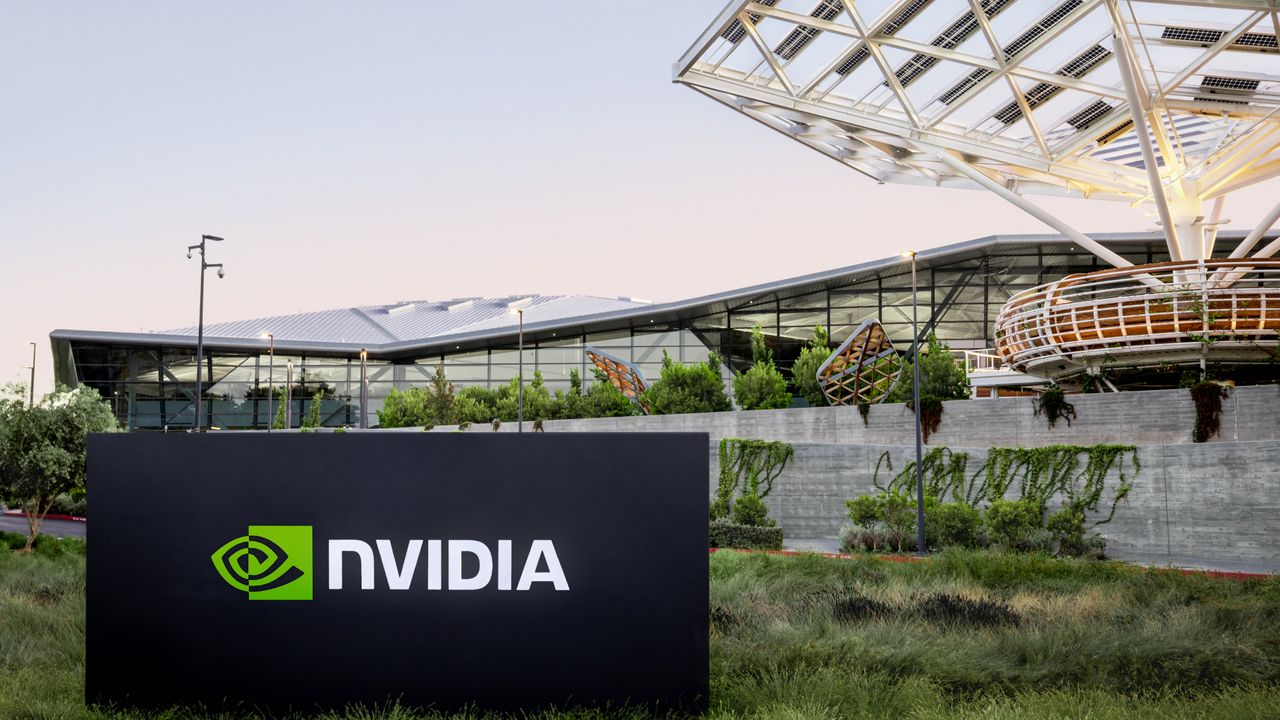
AI Accelerates GPU Design at Nvidia
Nvidia, a leader in the graphics processing unit (GPU) sector, recently highlighted how the integration of artificial intelligence is radically transforming its hardware design process. The company stated that AI is capable of drastically reducing the time needed to complete complex tasks related to GPU development. This innovation promises to accelerate the introduction of new hardware generations to the market.
Specifically, Nvidia revealed that a design task that previously required the involvement of eight engineers for a period of ten months can now be accomplished in a single night with the aid of artificial intelligence. This data underscores AI's potential not only in automation but also in optimizing resource-intensive engineering processes.
The Role of AI in Process Optimization
The application of AI in integrated circuit design, including GPU cores, falls within the broader field of Electronic Design Automation (EDA). Traditionally, chip design is an iterative and laborious process involving complex simulations, verifications, and manual optimizations. AI can intervene in various phases, for example, by generating circuit layouts, optimizing component placement to improve performance and power consumption, or identifying potential errors at an early stage.
The ability to reduce a task from ten months to one night does not imply complete AI autonomy but rather its effectiveness in rapidly executing an enormous number of iterations and analyses that would be prohibitive for humans. This allows engineers to focus on more strategic and creative aspects, delegating repetitive and computationally intensive activities to AI.
The Human Factor: An Irreplaceable Element
Despite significant progress, Nvidia clarified that artificial intelligence is still "a long way" from being able to design chips completely autonomously, without any human intervention. This statement highlights the persistent necessity of the human factor in the development cycle. Engineers maintain a crucial role in defining requirements, overseeing AI-driven processes, validating results, and managing complex or unforeseen scenarios that AI might not be able to address independently.
The intrinsic complexity of GPU design, which requires a deep understanding of hardware architectures, software interactions, and market needs, makes human expertise indispensable. AI acts as a powerful support tool, a co-pilot, amplifying engineers' capabilities rather than entirely replacing them. For companies evaluating AI solutions for internal process optimization, it is crucial to consider this balance between automation and human oversight, a common trade-off in many technological domains.
Future Prospects for Hardware and Deployment
The acceleration of GPU design cycles has significant implications for the entire technology ecosystem. Shorter development times can translate into faster innovation, with new architectures and functionalities reaching the market more frequently. This is particularly relevant for sectors heavily reliant on GPU performance, such as the training and inference of Large Language Models (LLM) and other artificial intelligence workloads.
For organizations planning on-premise deployments of AI infrastructure, the rapid evolution of hardware means access to increasingly powerful and efficient solutions. Nvidia's ability to internally optimize its design processes could lead to GPUs with a more advantageous TCO (Total Cost of Ownership) in the long term, thanks to improvements in energy efficiency and performance per watt. However, the path towards fully autonomous chip design by AI is still long and will require further advancements in both AI itself and engineering methodologies.






💬 Comments (0)
🔒 Log in or register to comment on articles.
No comments yet. Be the first to comment!