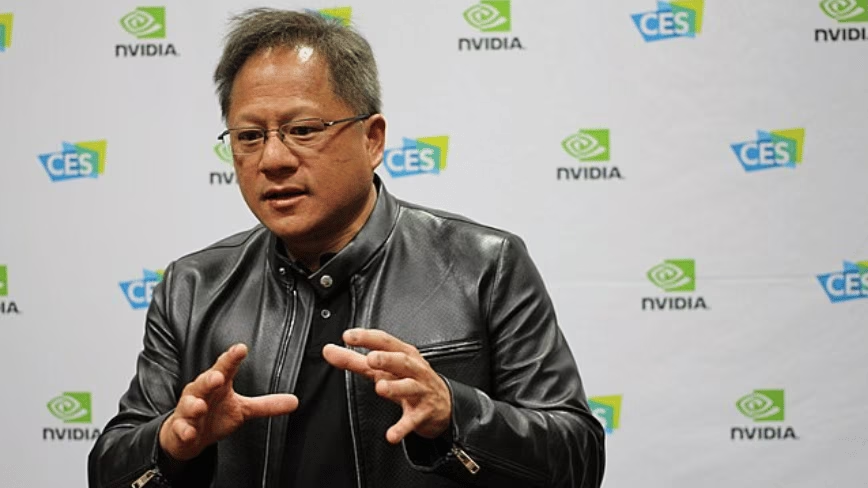
This is not a technical footnote but a political manifesto. Nvidia recently announced the Open Secure AI Alliance, a coalition aiming to convince regulators and enterprises that open AI models – those anyone can download, inspect, and run on their own infrastructure – are assets to be protected, not hazards to be contained.
The argument is tailor-made for cyber defenders: security teams that need LLMs they can fine-tune with proprietary data and run in air-gapped environments, without sending logs or prompts to cloud services. The message is clear: cybersecurity demands transparency and control, not black boxes.
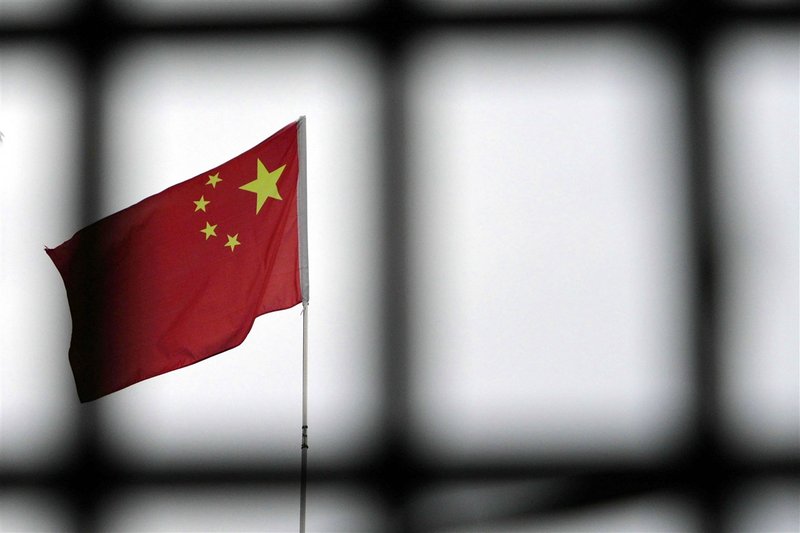
Yet the alliance arrives with an exclusion that speaks louder than any press release. The model that saved Hugging Face – an unspecified Chinese model that reinvigorated the platform after a period of stagnation – is not part of it. The source does not name it, but the reference is unmistakable: an LLM born in China, likely from the Qwen or DeepSeek family, that lured developers and use cases when Western offerings seemed to lose steam.
Why keep it out? Official reasons are absent, but the context points to supply chain security and a hardware-software ecosystem that Nvidia controls from the GPU up to the runtime. Including a Chinese model in an alliance that champions open security would have short-circuited export restrictions and the trust narrative built around American silicon. So openness stops where geopolitical boundaries begin.
This move has structural implications for organizations evaluating on-premise deployments. It’s no longer just about choosing between cloud and local; it’s about deciding which “trust circuit” to join. Western organizations with data sovereignty requirements – banks, defense, critical infrastructure – will find themselves forced to exclude technically competitive models because they are not aligned with a security framework recognized by their hardware supply chain.
At the same time, a dual track is emerging. On one side, Nvidia’s alliance will drive adoption of “Western” models optimized for NVIDIA GPUs and certified for use in regulated environments. On the other, a parallel ecosystem will grow, fueled by Chinese labs, leaning on domestic hardware (Huawei Ascend, Hygon) and on communities like Hugging Face alternatives or localized instances.
Who loses? Teams operating in multinational contexts that have so far mixed models from different origins to maximize performance. The geopolitical fracture will force them to pick sides, raising TCO and governance complexity. Who wins? Western hardware vendors, whose installed base gets locked in, and the most aligned cyber defenders, who gain “validated” models but with a narrower innovation perimeter.
The Open Secure AI Alliance is not merely a technical answer to security needs; it’s an attempt to standardize the very concept of “trustworthy” AI, leveraging dominance in silicon. And the exclusion of the Chinese model is the signal that the future of open AI will be less “open” and increasingly “federated” into opposing blocs.




💬 Comments (0)
🔒 Log in or register to comment on articles.
No comments yet. Be the first to comment!