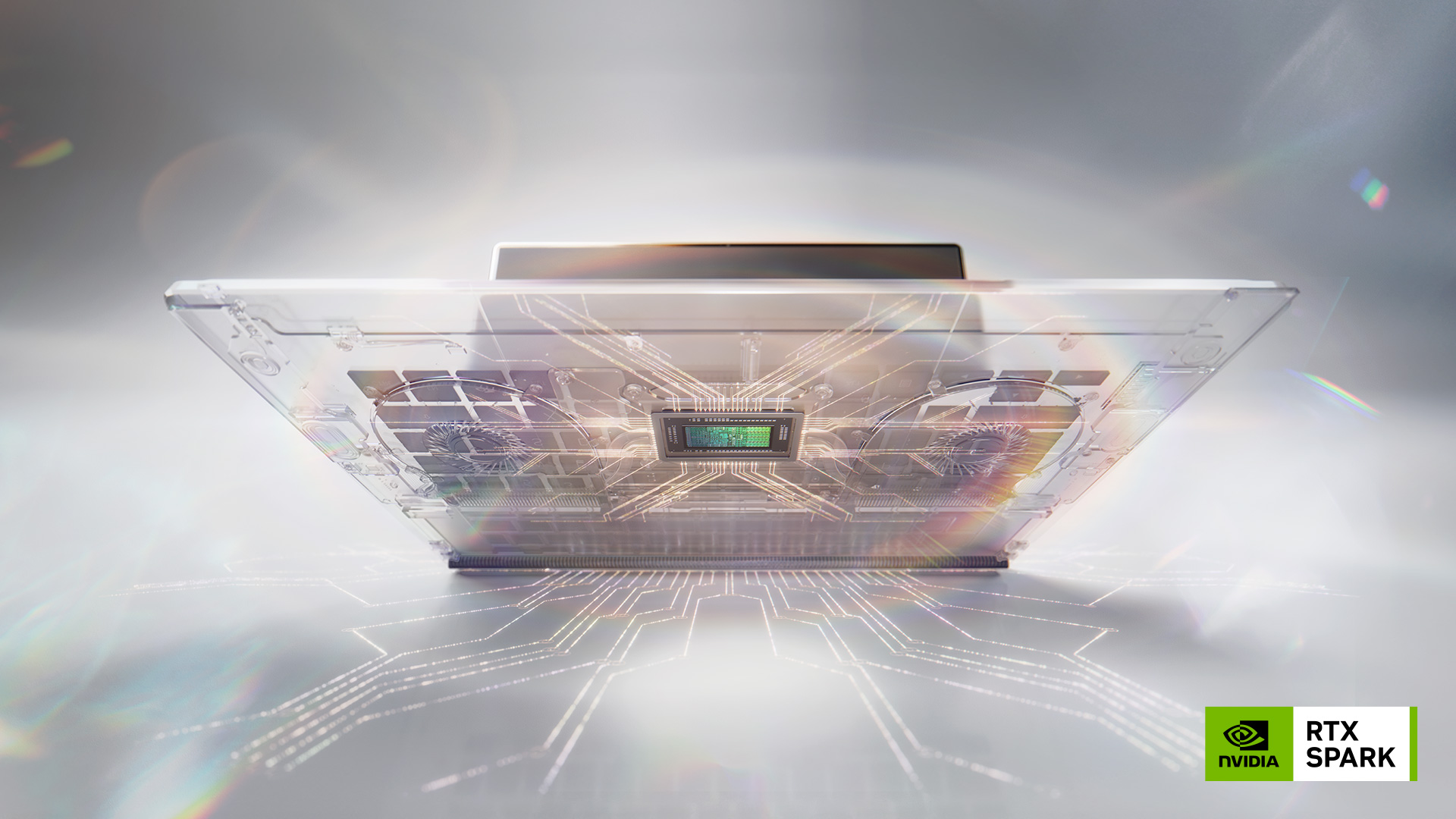
NVIDIA entra nel mercato PC Windows con RTX Spark
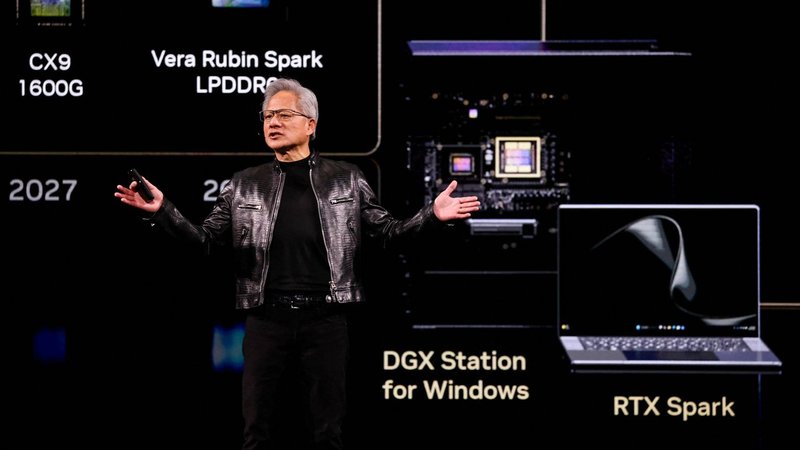
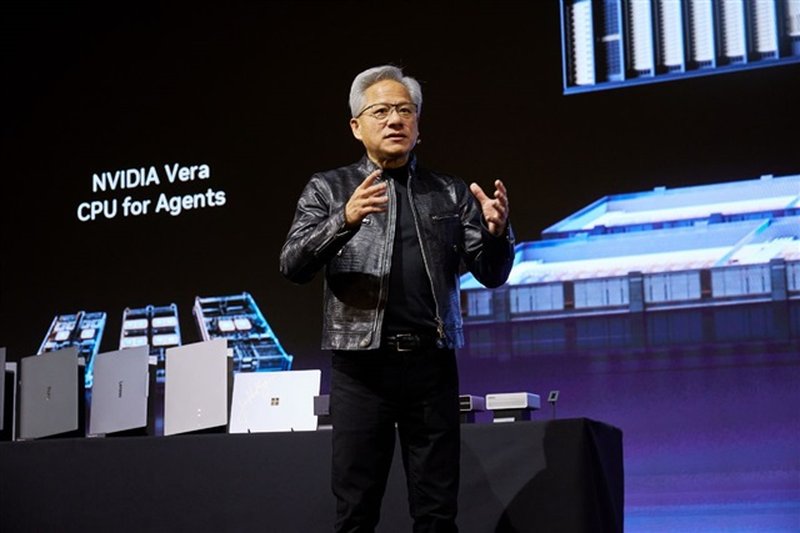
In occasione del Computex, NVIDIA ha annunciato l'introduzione di RTX Spark, il suo atteso System-on-Chip (SoC) basato su architettura Arm, destinato ai PC Windows. Questa mossa strategica posiziona NVIDIA come un attore chiave nel segmento dei computer personali di fascia alta, puntando a ridefinire le aspettative in termini di prestazioni ed efficienza energetica per i sistemi operativi Windows.
L'annuncio evidenzia la crescente convergenza tra le architetture mobili e quelle desktop, con Arm che guadagna terreno anche al di fuori del tradizionale ambito smartphone e tablet. L'obiettivo di NVIDIA è chiaro: offrire una soluzione integrata che possa competere efficacemente nel mercato premium, sfruttando la propria expertise nel campo delle GPU e dell'intelligenza artificiale.
Dettagli Tecnici e Implicazioni Architetturali
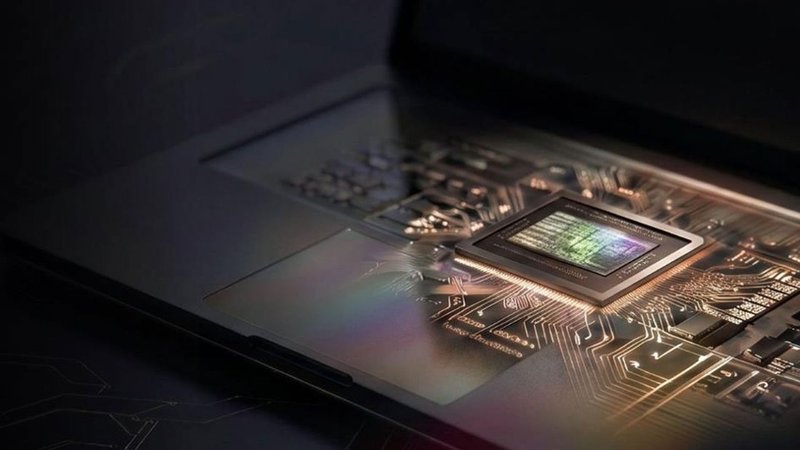
Il cuore di RTX Spark è costituito da 20 core CPU e una GPU basata sull'architettura Blackwell, la più recente e potente iterazione delle unità di elaborazione grafica di NVIDIA. La scelta di integrare una GPU Blackwell suggerisce un focus non solo sulle prestazioni grafiche tradizionali, ma anche sulle capacità di accelerazione AI, sempre più richieste in ambito desktop per carichi di lavoro come la generazione di contenuti, l'elaborazione del linguaggio naturale e la visione artificiale.
L'architettura SoC, che combina CPU, GPU e altri componenti essenziali su un singolo chip, è intrinsecamente progettata per massimizzare l'efficienza energetica e ridurre la latenza, aspetti cruciali per i dispositivi portatili e i PC compatti. L'integrazione di una GPU Blackwell in un SoC Arm per Windows rappresenta un passo significativo verso la democratizzazione delle capacità di AI e di elaborazione grafica avanzata direttamente sul dispositivo, senza la necessità di dipendere costantemente da risorse cloud esterne.
Rilevanza per i Deployment e la Sovranità dei Dati
Sebbene RTX Spark sia destinato ai PC Windows, la sua architettura e le sue capacità hanno implicazioni interessanti per il mondo dei deployment AI, in particolare per scenari edge computing o per lo sviluppo e la prototipazione locale di Large Language Models (LLM). La presenza di una potente GPU Blackwell su un dispositivo locale significa che carichi di lavoro di inference complessi possono essere eseguiti direttamente sul PC, offrendo vantaggi in termini di latenza e sovranità dei dati.
Per le aziende che valutano alternative self-hosted o ambienti air-gapped, la capacità di eseguire modelli AI localmente su hardware potente come RTX Spark può essere un fattore determinante. Questo approccio permette un maggiore controllo sui dati sensibili e riduce la dipendenza da servizi cloud esterni, allineandosi con le esigenze di compliance e sicurezza. Sebbene non sia un chip server, le sue capacità di elaborazione AI on-device possono influenzare le strategie di deployment per sviluppatori e piccole imprese che necessitano di soluzioni robuste e controllate localmente. Per chi valuta deployment on-premise, AI-RADAR offre framework analitici su /llm-onpremise per valutare trade-off tra soluzioni locali e cloud.
Prospettive Future e Impatto sul Mercato
L'introduzione di RTX Spark da parte di NVIDIA segna un punto di svolta per il mercato dei PC Windows. L'azienda si posiziona per competere direttamente con le soluzioni x86 tradizionali e con altri player emergenti nel settore dei SoC Arm. Questa mossa potrebbe accelerare l'adozione di applicazioni AI native su PC, trasformando l'esperienza utente e aprendo nuove opportunità per gli sviluppatori.
Il successo di RTX Spark dipenderà dalla sua capacità di offrire un equilibrio ottimale tra prestazioni, efficienza e compatibilità software. NVIDIA, con la sua consolidata esperienza nel settore delle GPU e dell'AI, è ben posizionata per influenzare significativamente il futuro dei PC, spingendo l'innovazione verso sistemi più intelligenti e autonomi, capaci di gestire carichi di lavoro sempre più complessi direttamente sul dispositivo.




💬 Commenti (0)
🔒 Accedi o registrati per commentare gli articoli.
Nessun commento ancora. Sii il primo a commentare!