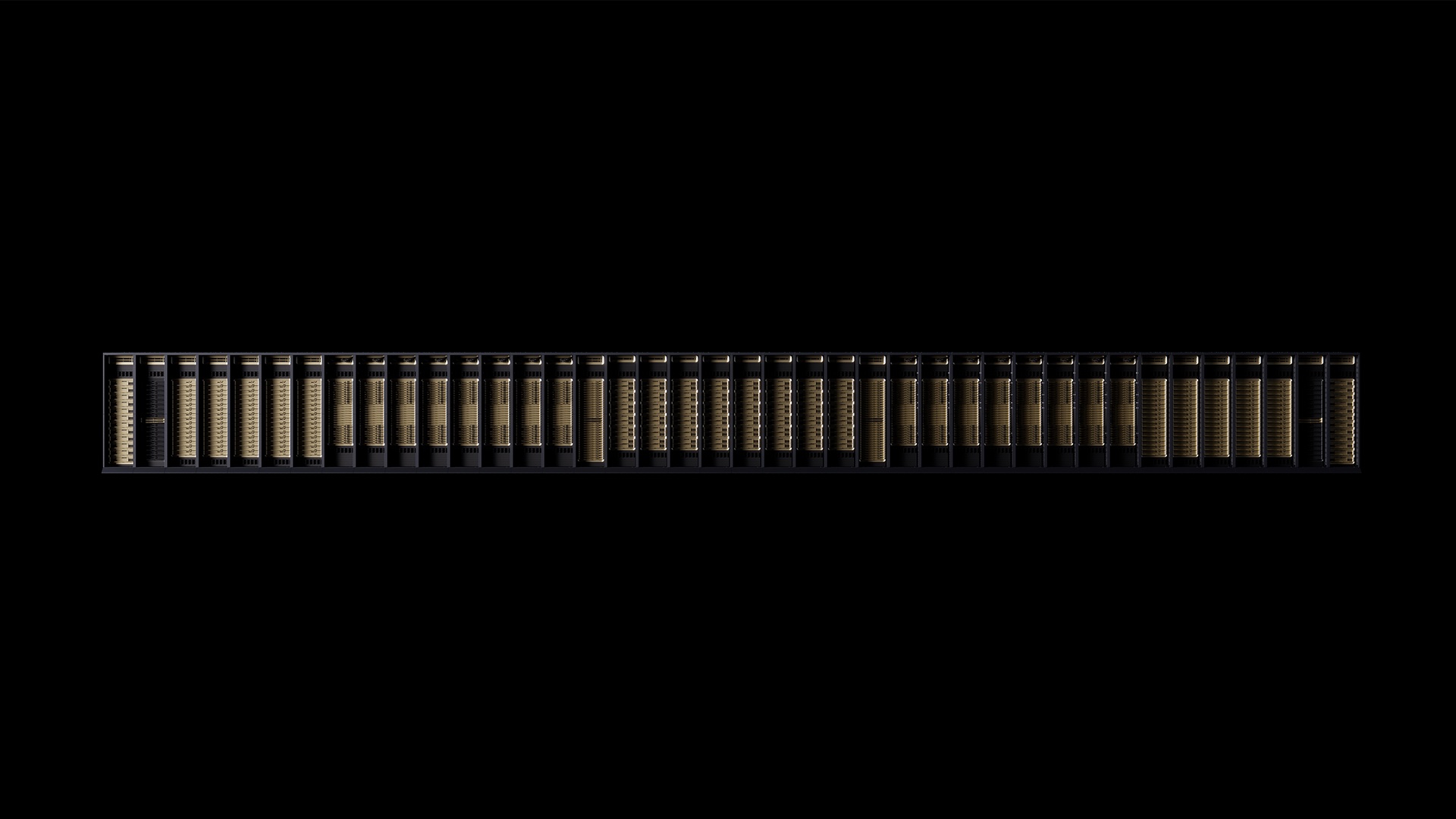
NVIDIA: Vera Rubin Enters Production, Windows Comes to DGX Station
At Computex 2026, NVIDIA announced two significant developments impacting the artificial intelligence and high-performance computing landscape. The first concerns the full production of the next-generation Vera Rubin platform. The second extends Windows operating system support to high-end DGX Station systems, with availability expected in the fourth quarter of the year. These announcements, though concise, offer important insights for companies planning their AI infrastructure, particularly for those evaluating on-premise solutions.
The Vera Rubin Platform and the Future of On-Premise AI
The entry into full production of the NVIDIA Vera Rubin platform marks a step forward in the evolution of hardware dedicated to AI and High Performance Computing (HPC). Each new generation of NVIDIA platforms brings significant improvements in terms of computing power, VRAM capacity, and throughput—crucial elements for training and Inference of increasingly complex Large Language Models (LLM). For organizations aiming to maintain control over their data and AI workloads, the arrival of new architectures like Vera Rubin is fundamental.
These platforms enable the management of large models directly in-house, addressing needs for data sovereignty, regulatory compliance, and latency reduction, aspects often prioritized over cloud solutions. The availability of latest-generation hardware in production means companies will soon be able to integrate these capabilities into their self-hosted data centers, strengthening their technological and operational autonomy.
DGX Station with Windows: A Bridge for New Developers
The introduction of Windows support for DGX Station systems represents a strategic move by NVIDIA. DGX Stations are high-end AI workstations designed to deliver data center performance in a form factor suitable for an office or laboratory. Traditionally, the AI and HPC development ecosystem has been dominated by Linux-based environments, which offer flexibility and access to a wide range of Open Source tools and Frameworks.
Opening up to Windows could broaden the user and developer base that can leverage the power of DGX Stations. Many professionals and research teams are accustomed to the Windows environment, and native integration could simplify workflows, reducing barriers to entry for adopting high-level AI hardware. This choice underscores NVIDIA's commitment to making AI more accessible while maintaining the performance required for demanding workloads.
Implications for AI Deployment Strategies
These announcements have direct implications for deployment decisions made by CTOs and infrastructure architects. The availability of advanced platforms like Vera Rubin strengthens the option of building and managing robust and high-performing on-premise AI infrastructures. This approach offers advantages in terms of complete control over hardware, data, and the software environment—crucial aspects for sectors with stringent security and privacy requirements.
At the same time, the expansion of software support for DGX Stations with Windows highlights how NVIDIA is seeking to optimize the user experience even for those who prefer more common operating environments. The evaluation between on-premise, cloud, or hybrid deployment requires a thorough analysis of TCO, scalability needs, data sovereignty, and internal expertise. For those evaluating analytical Frameworks to compare these trade-offs, AI-RADAR offers resources and insights on /llm-onpremise, providing tools for making informed decisions without direct recommendations.






💬 Comments (0)
🔒 Log in or register to comment on articles.
No comments yet. Be the first to comment!