
L'ascesa di Nyobolt: un unicorno alimentato dalla robotica di magazzino
La startup Nyobolt, con sede a Cambridge, ha recentemente annunciato la chiusura di un round di finanziamento Series C da 60 milioni di dollari, che ha portato la sua valutazione a un miliardo di dollari. Questo traguardo, che le conferisce lo status di "unicorno", è particolarmente significativo perché non è stato raggiunto grazie all'industria automobilistica, spesso associata alle innovazioni nel campo delle batterie, ma piuttosto attraverso il settore della robotica di magazzino.
Il principale investitore in questo round è Symbotic, un'azienda di robotica AI quotata al Nasdaq, che si avvale già delle soluzioni di Nyobolt. Questa partnership strategica sottolinea l'importanza crescente delle tecnicie di alimentazione avanzate per i sistemi autonomi che operano in ambienti logistici complessi e ad alta intensità.
Tecnologia e impatto operativo per i deployment on-premise
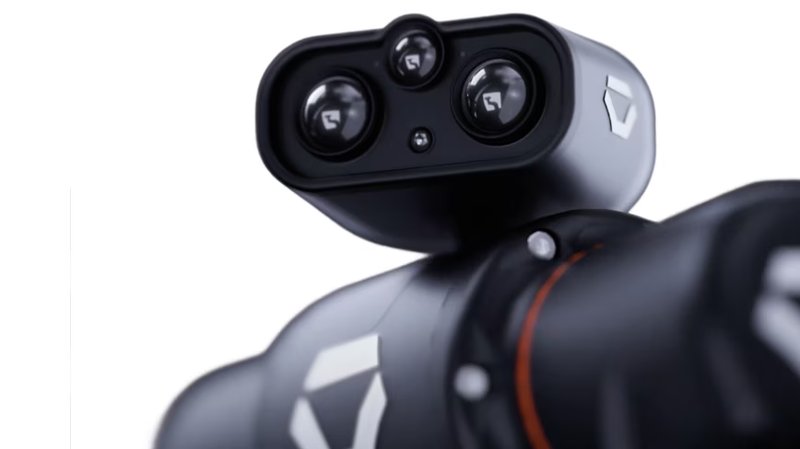
Le batterie sviluppate da Nyobolt si distinguono per due caratteristiche fondamentali: la capacità di ricaricarsi in pochi secondi e una durata eccezionale di 20.000 cicli. Queste specifiche tecniche rappresentano un vantaggio competitivo cruciale per applicazioni come i robot mobili autonomi SymBot di Symbotic, che operano all'interno di magazzini.
Per le aziende che valutano deployment on-premise di flotte robotiche, tali caratteristiche si traducono direttamente in un miglioramento dell'efficienza operativa e una riduzione del TCO. La ricarica ultrarapida minimizza i tempi di inattività dei robot, massimizzando il throughput e garantendo una disponibilità quasi continua. La lunga durata dei cicli, d'altra parte, riduce la frequenza di sostituzione delle batterie, abbattendo i costi di manutenzione e l'impatto ambientale. Questo approccio si allinea perfettamente con le esigenze di controllo e ottimizzazione tipiche degli ambienti self-hosted.
Contesto di mercato e implicazioni strategiche
La decisione di Symbotic di guidare il round di finanziamento di Nyobolt non è casuale. Essendo già un cliente chiave, Symbotic ha potuto verificare sul campo i benefici delle batterie Nyobolt per i propri robot. Questo investimento rafforza la catena di fornitura e assicura a Symbotic un accesso privilegiato a una tecnicia che è diventata un fattore abilitante per le sue operazioni.
Mentre gran parte dell'attenzione mediatica sulle batterie ad alte prestazioni si concentra sui veicoli elettrici, il caso Nyobolt evidenzia come l'innovazione in questo campo stia trovando applicazioni critiche anche in altri settori. La logistica automatizzata, in particolare, richiede soluzioni energetiche robuste e affidabili che possano sostenere cicli operativi intensi senza compromettere la produttività. Questo scenario offre spunti interessanti per CTO e architetti di infrastrutture che devono bilanciare performance, costi e affidabilità nei loro deployment di AI e robotica.
Prospettive future e considerazioni per l'infrastruttura
Il successo di Nyobolt dimostra il valore di soluzioni hardware specializzate, progettate per rispondere a esigenze specifiche di nicchia. Per chi valuta deployment on-premise di sistemi AI e robotici, l'integrazione di componenti come queste batterie ultrarapide può rappresentare un differenziatore significativo. La scelta di hardware ottimizzato per il carico di lavoro specifico, piuttosto che soluzioni generiche, può avere un impatto profondo sulla sovranità dei dati, sulla compliance e, naturalmente, sul TCO complessivo.
Le innovazioni nelle batterie, sebbene non direttamente legate agli LLM, sono fondamentali per l'ecosistema dell'AI edge e della robotica. Garantire che i dispositivi autonomi abbiano un'alimentazione efficiente e duratura è cruciale per mantenere l'operatività in ambienti air-gapped o con connettività limitata. Questo caso studio rafforza l'idea che l'ottimizzazione dell'intera pipeline tecnicica, dall'alimentazione all'inference AI, sia la chiave per deployment di successo e sostenibili.







💬 Commenti (0)
🔒 Accedi o registrati per commentare gli articoli.
Nessun commento ancora. Sii il primo a commentare!