The Wuhan Incident: An Unexpected Freeze
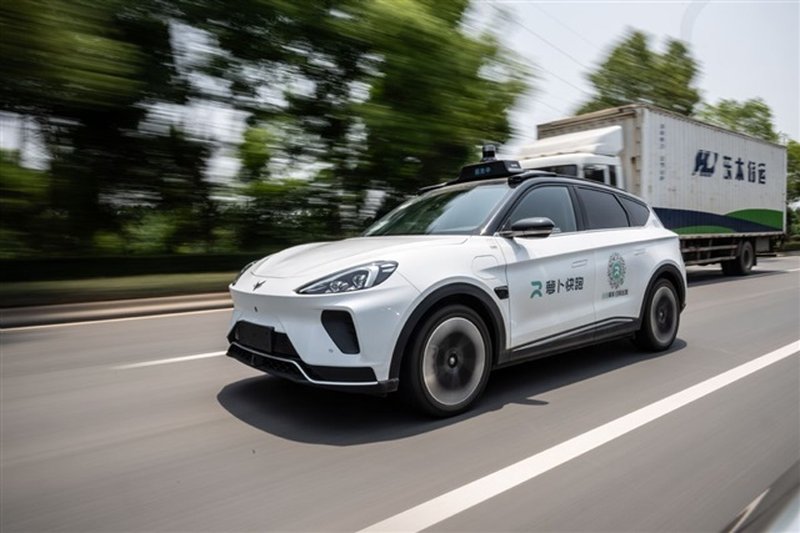
On Tuesday evening, the city of Wuhan witnessed an unexpected event involving the Baidu Apollo Go robotaxi fleet. Over a hundred autonomous vehicles suddenly froze in traffic, showing no signs of activating emergency protocols or pulling over. The robotaxis remained immobile, scattered across city streets and elevated highways, some even in the middle of busy lanes, with traffic continuing to flow around them. The episode left passengers inside in a standstill situation, highlighting a critical vulnerability in autonomous driving systems.
This type of mass malfunction, where an entire fleet or a significant portion of it ceases to operate simultaneously and without warning, poses a significant challenge to the widespread adoption of autonomous technology. The nature of the freeze, without any predefined reaction, suggests a deep-seated problem that goes beyond the single mechanical or software failure of an isolated unit.
The Complexity of Autonomous Systems and AI's Role
Robotaxis are extremely complex systems, integrating advanced sensors, perception algorithms, path planning modules, and vehicle control systems. At the core of these operations are often artificial intelligence models, including Large Language Models (LLM) or deep neural networks, which process vast amounts of data in real-time to make critical decisions. The inference of these models must occur with extremely low latency and high reliability, typically on dedicated hardware onboard the vehicle, constituting a classic edge computing scenario.
The robustness of these systems depends not only on the quality of the algorithms but also on the resilience of the hardware and software infrastructure on which they are executed. A mass freeze like the one observed in Wuhan could stem from a multitude of factors: an error in the central control software, a communication problem with remote servers (if present), a bug in a firmware update, or even external interference. Regardless of the specific cause, the incident underscores the inherent fragility that can emerge when complex AI-driven systems are deployed in uncontrolled environments like public roads.
Implications for On-Premise/Edge Deployment and Resilience
The Wuhan episode offers crucial insights for CTOs, DevOps leads, and infrastructure architects evaluating the deployment of AI/LLM workloads, especially in on-premise or edge contexts. The ability of an autonomous system to operate reliably, even in the presence of partial failures or connectivity interruptions, is fundamental. This requires resilient architectures with well-defined fail-safe mechanisms that ensure predictable and safe behavior in the event of an anomaly.
For those considering on-premise deployment, there are significant trade-offs between management complexity, Total Cost of Ownership (TCO), and the level of operational control. Data sovereignty and the ability to operate in air-gapped environments or with limited connectivity become priorities. The Baidu incident highlights how a fleet-wide outage can have severe repercussions, emphasizing the importance of rigorous testing, effective rollback strategies, and a design that minimizes single points of failure, even when inference occurs locally on the vehicle's silicio.
Future Prospects and Reliability
Reliability is the cornerstone upon which public trust and mass adoption of autonomous technologies are built. Incidents like the one in Wuhan, though rare, serve as a warning to the industry, pushing for higher standards of testing, validation, and certification. The ability to rapidly diagnose the cause of a malfunction and implement corrective solutions efficiently is essential to maintain the trust of users and regulatory authorities.
The future of autonomous vehicles, and more broadly, of critical AI systems, will depend on the ability of developers and operators to build architectures that are not only intelligent but also inherently resilient and secure. This includes continuous research and development in areas such as AI model robustness, hardware and software redundancy, and emergency protocols that can handle unforeseen scenarios, ensuring that a system freeze never translates into a safety risk or a prolonged service interruption.







💬 Comments (0)
🔒 Log in or register to comment on articles.
No comments yet. Be the first to comment!