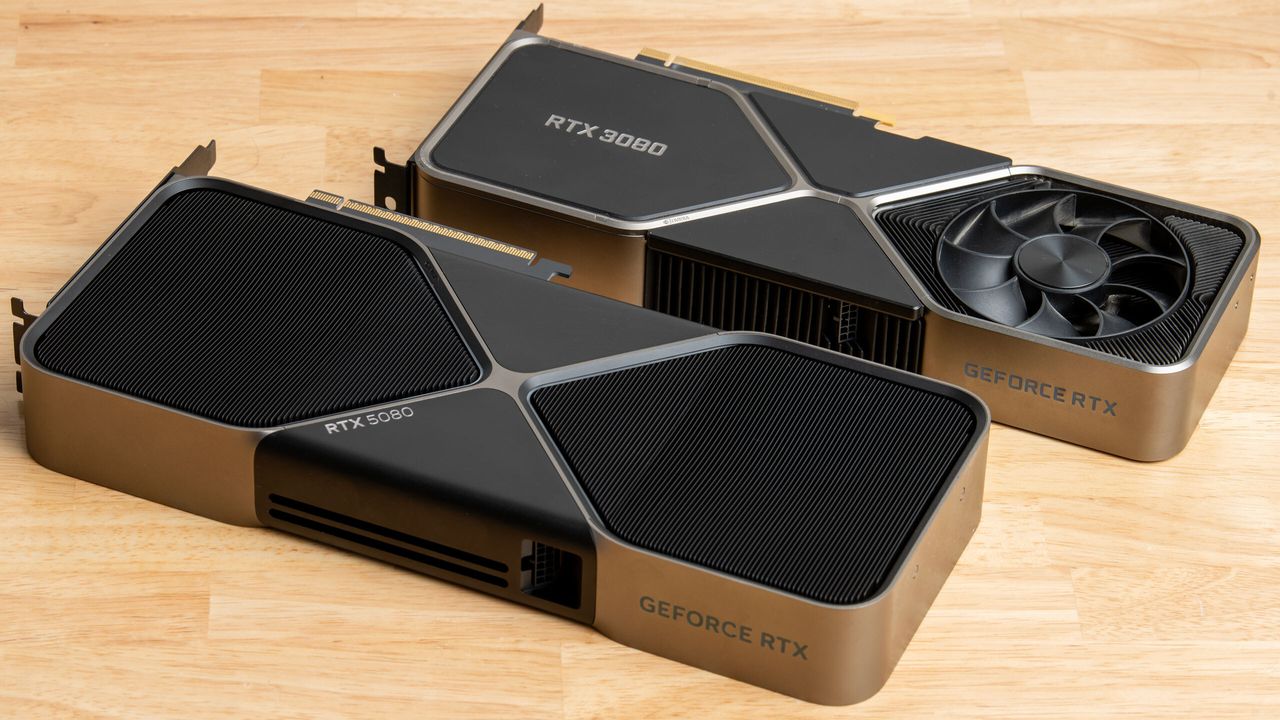
L'Eredità delle Architetture Multi-GPU: Dal Gaming all'AI
Il concetto di impiegare più unità di elaborazione grafica per accelerare compiti specifici non è nuovo. Nel panorama del gaming, l'idea di affiancare una GPU secondaria, come una RTX 5060, a una scheda di punta, quale una RTX 5090, per gestire carichi di lavoro dedicati come il motore PhysX, ha rappresentato un tentativo di massimizzare le performance. Sebbene soluzioni come SLI siano considerate obsolete nel contesto odierno, l'approccio sottostante di distribuire il carico di lavoro su più processori grafici mantiene una rilevanza fondamentale.
Questa filosofia si è evoluta e trova oggi una nuova e cruciale applicazione nel campo dell'intelligenza artificiale, in particolare per il deployment di Large Language Models (LLM). Per CTO, DevOps lead e architetti di infrastruttura che valutano soluzioni on-premise, la capacità di scalare le performance e gestire modelli complessi attraverso configurazioni multi-GPU è un fattore determinante.
Dettaglio Tecnico: Scalabilità e Vincoli per LLM
Nel contesto degli LLM, le architetture multi-GPU sono essenziali per affrontare due sfide principali: la dimensione dei modelli e i requisiti di performance. Molti LLM moderni superano la capacità di VRAM di una singola GPU, rendendo indispensabile la distribuzione del modello su più schede. Tecniche come il tensor parallelism e il pipeline parallelism permettono di suddividere il modello o i suoi strati tra diverse GPU, aggregando la VRAM disponibile e aumentando la capacità di calcolo.
L'efficienza di queste configurazioni dipende in larga misura dalla larghezza di banda degli interconnessioni tra le GPU, come NVLink o le interfacce PCIe. Un'interconnessione rapida è cruciale per minimizzare la latenza nella comunicazione tra le schede, garantendo un throughput elevato e tempi di risposta accettabili per l'inference. A differenza del semplice offloading di PhysX, dove la comunicazione era meno critica, per gli LLM la coesione e la velocità di scambio dati tra le GPU sono fattori abilitanti per il funzionamento stesso del modello.
Implicazioni per il Deployment On-Premise
Per le organizzazioni che optano per un deployment on-premise di LLM, l'adozione di architetture multi-GPU offre vantaggi significativi in termini di controllo, sovranità dei dati e potenziale ottimizzazione del TCO a lungo termine. La possibilità di configurare server con più GPU permette di ospitare modelli più grandi, gestire un maggior numero di richieste simultanee (batch size) o ridurre la latenza per applicazioni critiche, il tutto mantenendo i dati all'interno del perimetro aziendale.
Tuttavia, questa scelta comporta anche specifici trade-off. La complessità di gestione di un'infrastruttura multi-GPU, i requisiti di alimentazione e raffreddamento, e l'investimento iniziale (CapEx) sono fattori da considerare attentamente. La pianificazione accurata dell'hardware, inclusa la scelta delle GPU con adeguata VRAM e interconnessioni, è fondamentale per garantire che l'infrastruttura self-hosted possa soddisfare le esigenze di performance e scalabilità degli LLM. Per chi valuta deployment on-premise, AI-RADAR offre framework analitici su /llm-onpremise per valutare questi trade-off.
Prospettive Future e Scelte Architetturali
L'evoluzione delle GPU e delle architetture di sistema continua a spingere i limiti di ciò che è possibile realizzare con configurazioni multi-GPU. Sebbene l'esempio iniziale di affiancare una RTX 5060 a una RTX 5090 per PhysX possa sembrare un'eco del passato, il principio di specializzazione e collaborazione tra unità di elaborazione rimane un pilastro per l'innovazione. Nel mondo degli LLM, questo si traduce nella ricerca di configurazioni hardware che bilancino al meglio potenza di calcolo, capacità di memoria e costi operativi.
La scelta tra diverse configurazioni multi-GPU, come l'utilizzo di GPU consumer di fascia alta (es. RTX 5080, RTX 3080) o soluzioni professionali, dipende da specifici vincoli di budget, requisiti di performance e tolleranza al rischio. Non esiste una soluzione “migliore” in assoluto, ma una serie di trade-off che devono essere valutati in base al contesto aziendale. L'obiettivo è sempre quello di costruire un'infrastruttura robusta e scalabile che supporti efficacemente i carichi di lavoro AI, garantendo al contempo controllo e sicurezza dei dati.








💬 Commenti (0)
🔒 Accedi o registrati per commentare gli articoli.
Nessun commento ancora. Sii il primo a commentare!