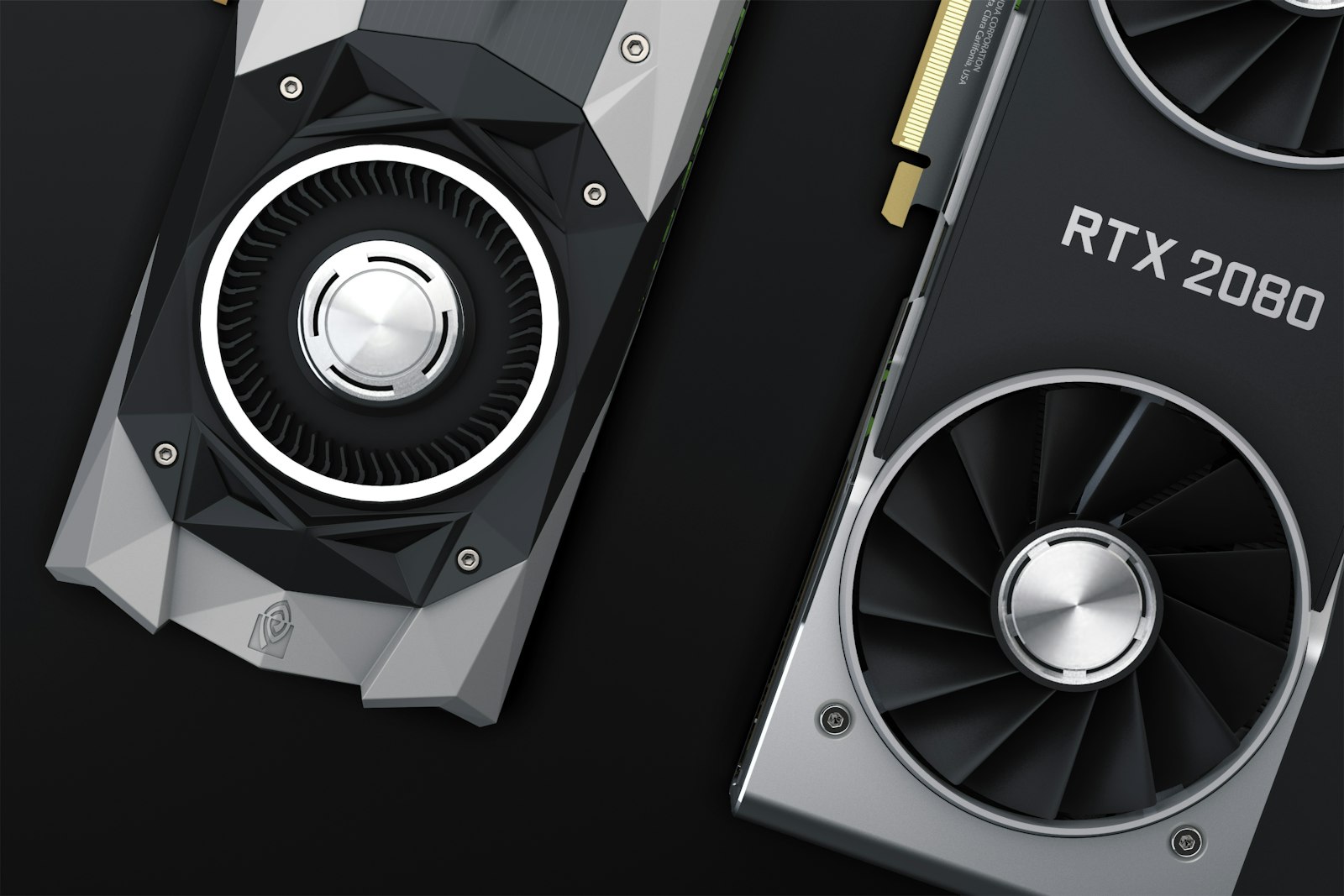
“I miss when this sub was actually about self-hosting.” The bitter confession of a user going by Mountain_Patience231 is making the rounds among local LLM enthusiasts. Their rant targets the latest wave of ‘open weight’ models – specifically naming GLM-5.2, a 753-billion-parameter Mixture of Experts behemoth with a 1-million-token context window and an MIT license – which, on paper, sounds like the dream of open AI. Except, as the same user admits, “even if you crush it down to a q1 or q2 GGUF, you’re still not running it” on consumer hardware.
That is the core paradox. On the one hand, the world celebrates the release of weights: a gesture of transparency that should democratize access to the technology. On the other, anyone who has tried to set up local inference knows that a 700-billion-plus parameter model – however sparse – demands a GPU fleet with hundreds of gigabytes of VRAM, NVLink or equivalent interconnects, and data-center-grade cooling. The user in question is no novice: they run dual GPUs on a motherboard with x8/x8 bifurcation, squeeze every drop of performance out of AMD ROCm, and are well-versed in llama.cpp tricks like batch sizing and extreme quantizations. Even with that arsenal, the verdict is merciless: “physically impossible to load without an enterprise server rack.”
This is not about whether the model is technically good. Benchmarks, even at third hand, look insane. The MIT license is a crown jewel that permits unrestricted commercial use. But local practicability is zero, and that shifts the entire ecosystem’s center of gravity. Many of those cheering these releases are not the self-hosting crowd; they are the ones who can afford to call an API or rent a cloud instance. The result: open weight turns into a marketing tool that benefits the very centralized service providers that open source should ideally counter.
For those dealing with on-premise enterprise deployments – the natural audience of AI-RADAR – the episode raises a structural question. Models this size aren’t just a headache for the hobbyist with a home lab; they also undermine the very concepts of data sovereignty and infrastructure control. If running a cutting-edge LLM locally requires a CapEx-heavy hardware investment (tens of thousands of euros in GPUs alone, plus energy costs), the Total Cost of Ownership becomes unsustainable for many use cases. The inevitable fallback is the cloud, with all the privacy, data residency, and vendor lock-in implications that an on-prem approach was meant to avoid.
Some will argue that quantization will eventually work magic, or that CPU–GPU offloading techniques will close the gap. But when we talk about models exceeding 500 billion parameters, the compromise is so drastic that it distorts the model itself: a q1 version of such a large MoE is a ghost of what the researchers trained, losing much of the quality that made the release interesting. In other words, the open weight promise risks becoming an empty shell if it isn’t accompanied by a deployment ecosystem that is genuinely within reach.
The frustration of feeling “VRAM poor” – as the user puts it – is therefore not mere forum whining. It signals a growing tension: the race toward ever-larger, partially open models is widening the gulf between those who can afford to run them and those who want to use them autonomously. As the debate polarizes between open and closed, the real fault line may become the one between what can be run locally and what cannot.




💬 Comments (0)
🔒 Log in or register to comment on articles.
No comments yet. Be the first to comment!