OpenAI rafforza l'autenticità dei contenuti AI
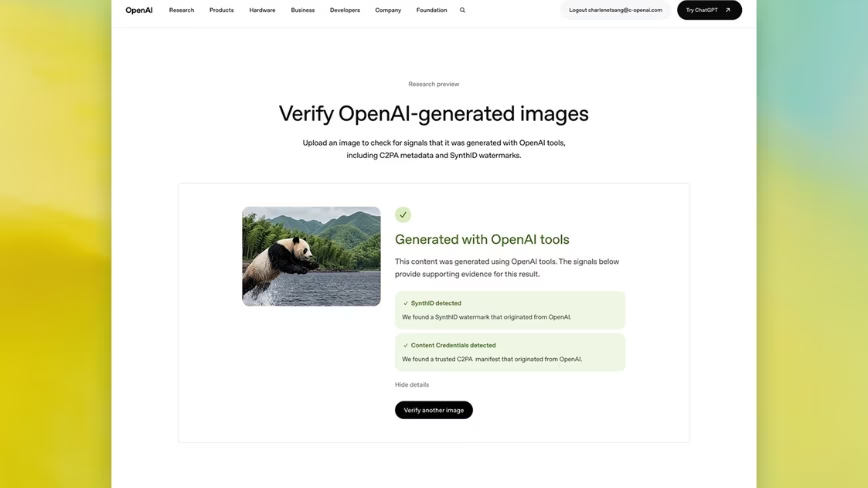
OpenAI ha annunciato l'implementazione di nuove strategie volte a migliorare la trasparenza e l'identificazione delle immagini generate dai suoi modelli di intelligenza artificiale. Queste iniziative rappresentano un passo significativo nell'affrontare le crescenti preoccupazioni relative all'autenticità dei contenuti digitali e alla diffusione di disinformazione. L'azienda mira a fornire al pubblico strumenti più robusti per discernere l'origine delle immagini, un aspetto cruciale nell'era della proliferazione dei contenuti generati da algoritmi.
Le misure adottate da OpenAI si concentrano su due pilastri principali: l'adesione a uno standard di settore e l'integrazione di una tecnicia di watermark. Questo approccio combinato riflette la complessità della sfida e la necessità di soluzioni multilivello per garantire la provenienza e l'integrità dei media digitali. La capacità di tracciare l'origine di un'immagine diventa sempre più importante, sia per gli utenti finali che per le organizzazioni che operano con dati sensibili.
L'integrazione di C2PA e SynthID
Il primo pilastro della strategia di OpenAI consiste nell'adesione formale alla Coalition for Content Provenance and Authenticity (C2PA), uno standard aperto. C2PA è un'iniziativa intersettoriale che mira a sviluppare specifiche tecniche per la provenienza e l'autenticità dei contenuti digitali, fornendo un modo per verificare la storia e le modifiche di un file multimediale. L'adozione di questo standard consente di incorporare metadati verificabili direttamente nelle immagini, indicandone l'origine AI.
Contemporaneamente, OpenAI ha stretto una partnership con Google per integrare la tecnicia SynthID. Si tratta di una filigrana invisibile sviluppata da Google, progettata per essere resistente alle modifiche comuni come il ritaglio, la compressione o l'applicazione di filtri. L'obiettivo di SynthID è fornire un marcatore persistente e non percepibile dall'occhio umano, che possa essere rilevato da strumenti specifici per confermare che un'immagine è stata generata da un modello AI. La combinazione di uno standard aperto e una tecnicia di watermark proprietaria offre un approccio a due livelli per la verifica.
Implicazioni per l'ecosistema AI e la sovranità dei dati
Queste iniziative di OpenAI hanno implicazioni significative per l'intero ecosistema dell'intelligenza artificiale, in particolare per le aziende che valutano o implementano soluzioni LLM. La questione della provenienza dei contenuti è fondamentale per la fiducia e la compliance, specialmente in settori regolamentati come la finanza o la sanità, dove la sovranità dei dati e l'integrità delle informazioni sono priorità assolute. Per le organizzazioni che optano per deployment self-hosted o air-gapped, la capacità di verificare l'autenticità dei dati e dei contenuti generati internamente o esternamente è cruciale per mantenere la sicurezza e la conformità normativa.
L'adozione di standard come C2PA può facilitare la creazione di pipeline di verifica robuste, indipendentemente dal fatto che i modelli AI siano eseguiti in cloud o su infrastruttura bare metal. La necessità di distinguere tra contenuti reali e generati artificialmente si estende a tutti i contesti di deployment, influenzando le decisioni relative alla gestione del rischio e alla governance dei dati. Per chi valuta deployment on-premise, la capacità di integrare tali meccanismi di autenticazione nei propri stack locali è un fattore da considerare attentamente.
Prospettive future e sfide continue
L'introduzione di C2PA e SynthID da parte di OpenAI rappresenta un passo avanti nella lotta contro la disinformazione e nella promozione della trasparenza nell'ambito dell'AI generativa. Tuttavia, la sfida di identificare accuratamente i contenuti generati da AI è in continua evoluzione. Man mano che i modelli diventano più sofisticati, anche le tecniche per eludere i sistemi di rilevamento potrebbero migliorare. Questo scenario suggerisce una corsa agli armamenti tecnicica tra i generatori di contenuti AI e i sistemi di autenticazione.
Il settore dovrà continuare a investire in ricerca e sviluppo per mantenere il passo con l'avanzamento delle capacità generative. La collaborazione tra aziende, l'adozione di standard aperti e l'innovazione nelle tecnicie di watermark saranno essenziali per costruire un futuro digitale più affidabile. La trasparenza sull'origine dei contenuti non è solo una questione tecnica, ma un elemento fondamentale per la fiducia del pubblico nell'intelligenza artificiale e per la sua adozione responsabile.








💬 Commenti (0)
🔒 Accedi o registrati per commentare gli articoli.
Nessun commento ancora. Sii il primo a commentare!