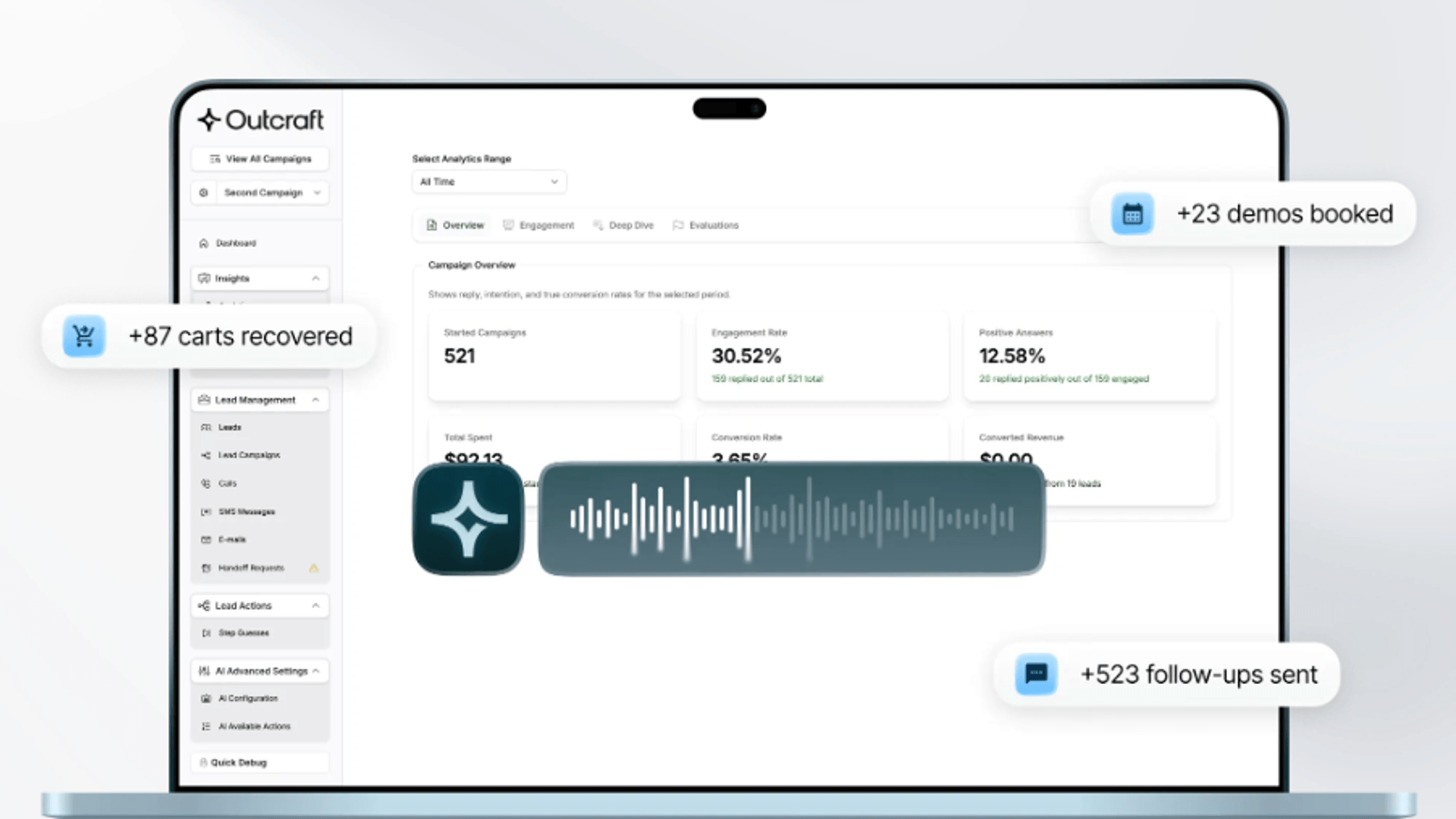
Outcraft AI: L'ascesa degli agenti autonomi per la gestione dei ricavi
Outcraft AI, una piattaforma specializzata in AI agentica per l'esecuzione autonoma delle attività di gestione dei ricavi, ha annunciato di aver ottenuto un finanziamento pre-seed di 2 milioni di euro. L'investimento è stato guidato da Practica Capital, con un supporto iniziale anche dal venture builder Lost Astronaut. Questo capitale è destinato a potenziare le capacità della piattaforma e a sostenere la sua espansione in nuovi mercati.
L'iniziativa di Outcraft AI risponde a una sfida comune per le aziende: la perdita di opportunità di ricavo a causa di un coinvolgimento dei clienti spesso tardivo o incoerente. Situazioni come lead che si raffreddano, utenti gratuiti che non si convertono, pagamenti non risolti o segnali precoci di abbandono (churn) vengono frequentemente trascurati. In un contesto di crescenti costi di acquisizione clienti e aspettative di risposte immediate e personalizzate, la pressione sui team di vendita e di gestione del ciclo di vita del cliente è in costante aumento.
La piattaforma e il funzionamento degli agenti AI
Outcraft AI introduce una nuova categoria di sistemi: agenti AI autonomi progettati specificamente per l'esecuzione delle attività di vendita e di gestione dei ricavi. Questi agenti interagiscono con i clienti in tempo reale attraverso molteplici canali, inclusi voce, SMS, email e WhatsApp. Il loro compito è determinare l'azione ottimale successiva quando si verificano trigger specifici, come nuovi lead in entrata, carrelli abbandonati o pagamenti falliti.
L'interazione continua e contestualmente consapevole garantisce un follow-up senza interruzioni e minimizza le opportunità perse. La piattaforma si integra con i sistemi aziendali più diffusi, consentendo una risposta immediata ai comportamenti dei clienti in tempo reale. Concentrandosi sull'esecuzione lungo l'intero ciclo di vita del cliente, Outcraft AI permette alle organizzazioni di raggiungere risultati misurabili, riducendo al contempo la dipendenza da processi manuali.
Contesto di mercato e implicazioni per le imprese
L'emergere di Outcraft AI si inserisce in un periodo di significative innovazioni tecniciche, in particolare nei settori della voce in tempo reale e delle capacità decisionali. Queste evoluzioni, unite alle crescenti pressioni di mercato per operare con maggiore efficienza, stanno facilitando una transizione. Si passa da strumenti che semplicemente supportano i team di vendita a sistemi in grado di eseguire autonomamente attività chiave per la generazione di ricavi.
Per le imprese che considerano l'adozione di tali soluzioni, è fondamentale valutare non solo i benefici in termini di efficienza, ma anche le implicazioni infrastrutturali. La gestione di agenti AI autonomi che operano in tempo reale su dati sensibili dei clienti può sollevare questioni relative alla sovranità dei dati, alla compliance e ai requisiti di performance. Per chi valuta deployment on-premise, esistono framework analitici su /llm-onpremise che possono aiutare a definire i trade-off tra controllo, sicurezza e TCO rispetto alle soluzioni basate su cloud. La capacità di integrare questi agenti con sistemi esistenti e di gestire il carico computazionale associato è un fattore critico per il successo.
Prospettive future e l'evoluzione dell'automazione
Will Nauseda, CEO e co-fondatore di Outcraft AI, ha sottolineato che l'obiettivo non è costruire un altro strumento di vendita o una piattaforma di engagement. Piuttosto, l'azienda si concentra sullo sviluppo di agenti AI autonomi che eseguono il coinvolgimento del cliente end-to-end, permettendo alle aziende di rispondere istantaneamente su più canali e di ottenere risultati di ricavo misurabili.
Guardando al futuro, Outcraft AI mira a consentire un'esecuzione dei ricavi completamente autonoma, dove gli agenti AI gestiscono l'intero ciclo di vita del cliente: dalla cattura e qualificazione dei lead, all'engagement, alla retention e al recupero dei ricavi. I fondi appena acquisiti saranno impiegati per migliorare ulteriormente le capacità della piattaforma e supportare la sua espansione in mercati aggiuntivi, segnando un passo significativo verso un'automazione più profonda e strategica nel settore delle vendite e dei ricavi.








💬 Commenti (0)
🔒 Accedi o registrati per commentare gli articoli.
Nessun commento ancora. Sii il primo a commentare!