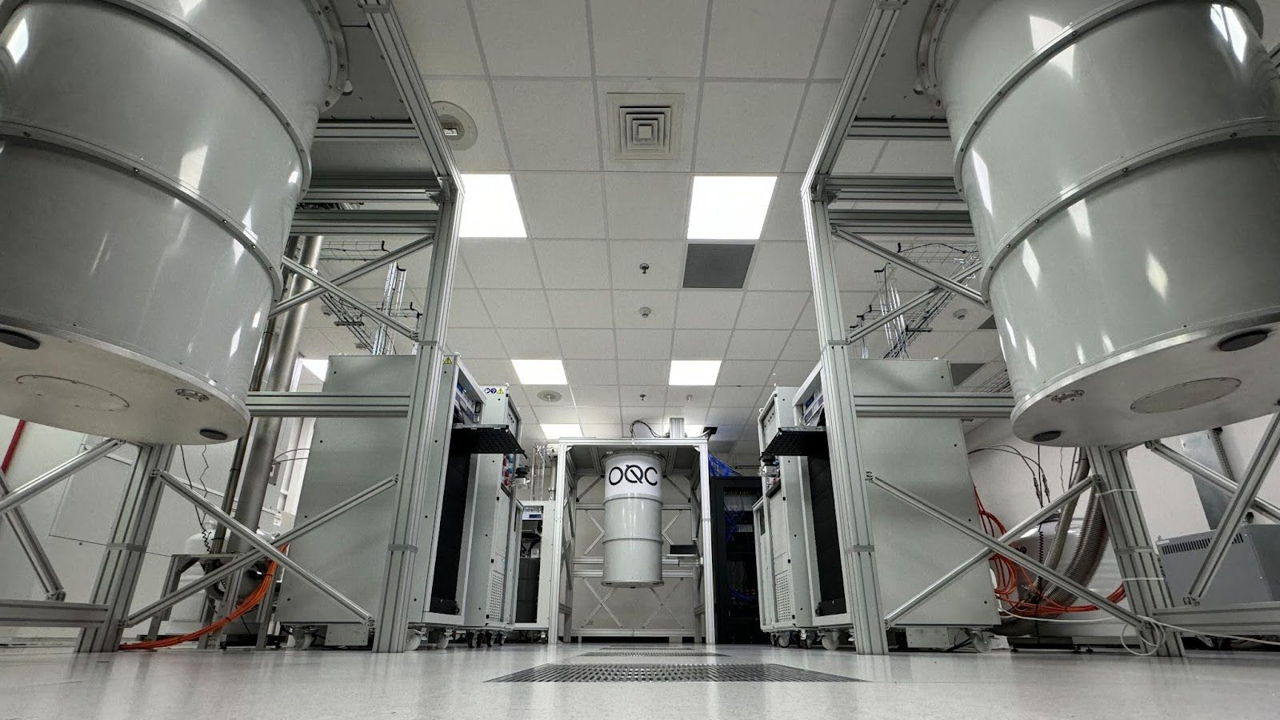
Un Investimento Record per il Quantum Computing Europeo
Oxford Quantum Circuits (OQC), azienda nata come spin-off dell'Università di Oxford nel 2017, ha annunciato la chiusura di un round di finanziamento Series C da 260 milioni di sterline. Questa operazione rappresenta il più grande investimento privato mai registrato in Europa nel settore del quantum computing, sottolineando un crescente interesse e fiducia nel potenziale di questa tecnicia emergente. Il round è stato guidato da Bullhound Capital, con la partecipazione di numerosi altri investitori, tra cui la British Business Bank, Fynveur e Cofides, oltre a investitori preesistenti come Oxford Science Enterprises e Chevron Technology Ventures.
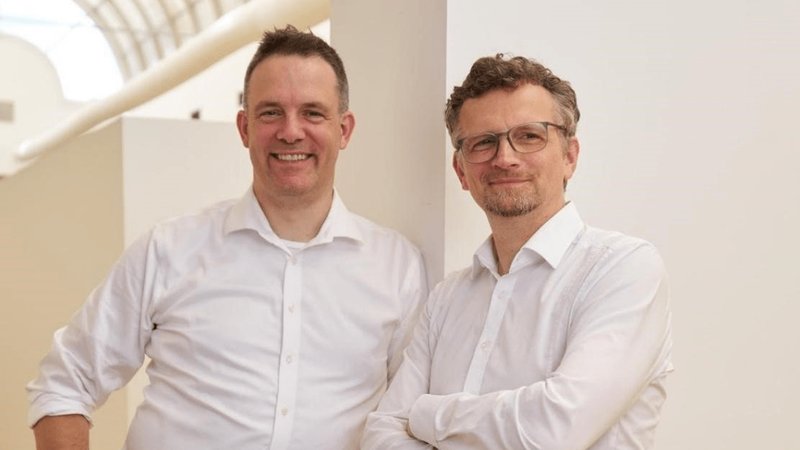
Gerald Mullally, CEO di OQC, ha definito questo traguardo un "momento di maturità" per il quantum computing britannico, evidenziando come le aziende del Regno Unito possano assumere un ruolo di leadership in un campo destinato a ridefinire il futuro tecnicico. L'investimento non solo rafforza la posizione di OQC, ma segnala anche un cambiamento più ampio nel mercato globale, che si sta spostando da una fase di promesse a lungo termine verso la realizzazione di soluzioni quantistiche con applicazioni a breve termine.
Tecnologia Quantistica e Modello di Deployment
OQC si concentra sullo sviluppo di hardware e software per computer quantistici basati su tecnicia superconduttrice, che utilizzano qubit anziché i bit convenzionali. Questi sistemi sono progettati per affrontare problemi computazionali che vanno oltre le capacità dei computer classici, aprendo nuove frontiere per la ricerca e le applicazioni commerciali. L'azienda, con sede a Reading, rende la sua tecnicia accessibile attraverso un modello di servizio cloud. Questo significa che aziende e ricercatori possono accedere alle capacità di calcolo quantistico da remoto, senza la necessità di possedere e gestire l'hardware specializzato.
Il deployment avviene tramite data center, dove l'infrastruttura quantistica di OQC è ospitata. Tra i principali motori della domanda, l'azienda cita i settori dei servizi finanziari, della difesa e della sicurezza. Queste organizzazioni sono alla ricerca di soluzioni quantistiche sicure per risolvere sfide complesse, come la crittografia avanzata, l'ottimizzazione di portafogli o la simulazione di scenari complessi, dove la sovranità dei dati e la sicurezza delle informazioni sono priorità assolute.
Implicazioni per il Controllo e la Sicurezza dei Dati
Sebbene OQC offra la sua tecnicia come servizio cloud, la natura delle applicazioni target – in particolare nei settori finanziario, della difesa e della sicurezza – solleva questioni cruciali relative alla sovranità e al controllo dei dati. Per le organizzazioni che operano in ambienti altamente regolamentati o che gestiscono informazioni sensibili, la scelta tra un servizio cloud e un potenziale deployment on-premise, anche per tecnicie emergenti come il quantum computing, rimane un fattore determinante. La richiesta di "tecnicia quantistica sicura" da parte di questi clienti sottolinea l'importanza di garanzie robuste sulla protezione e la gestione delle informazioni.
Per chi valuta l'adozione di nuove infrastrutture computazionali, inclusi i sistemi quantistici, è fondamentale analizzare i trade-off tra l'accessibilità e la scalabilità offerte dal cloud e le esigenze di controllo, compliance e sicurezza che un deployment self-hosted o air-gapped potrebbe garantire in futuro. Anche se il quantum computing on-premise è ancora lontano per la maggior parte delle aziende, la comprensione dell'architettura sottostante e delle implicazioni di sicurezza dei servizi cloud quantistici è già rilevante per i decision-maker tecnici.
Prospettive Future e Crescita Internazionale
I fondi raccolti saranno impiegati per accelerare la roadmap tecnicica di OQC, espandere la sua presenza nei mercati chiave e soddisfare la crescente domanda di accesso scalabile e sicuro all'infrastruttura di quantum computing. L'obiettivo è quello di rendere il quantum computing "commercialmente utile" in tempi più brevi, trasformando il potenziale teorico in soluzioni pratiche. L'espansione internazionale è un pilastro fondamentale di questa strategia, permettendo a OQC di raggiungere un pubblico più ampio di aziende e governi interessati a esplorare le capacità quantistiche.
La Chancellor of the Exchequer, Rachel Reeves, ha commentato che il finanziamento di OQC rappresenta un "voto di fiducia significativo" nel settore quantistico del Regno Unito, riaffermando la posizione del paese come hub per le industrie del futuro. Questo investimento non solo supporta la crescita di un'azienda specifica, ma contribuisce anche a consolidare l'ecosistema britannico dell'innovazione, posizionandolo all'avanguardia nello sviluppo di tecnicie che promettono di rivoluzionare numerosi settori.







💬 Commenti (0)
🔒 Accedi o registrati per commentare gli articoli.
Nessun commento ancora. Sii il primo a commentare!