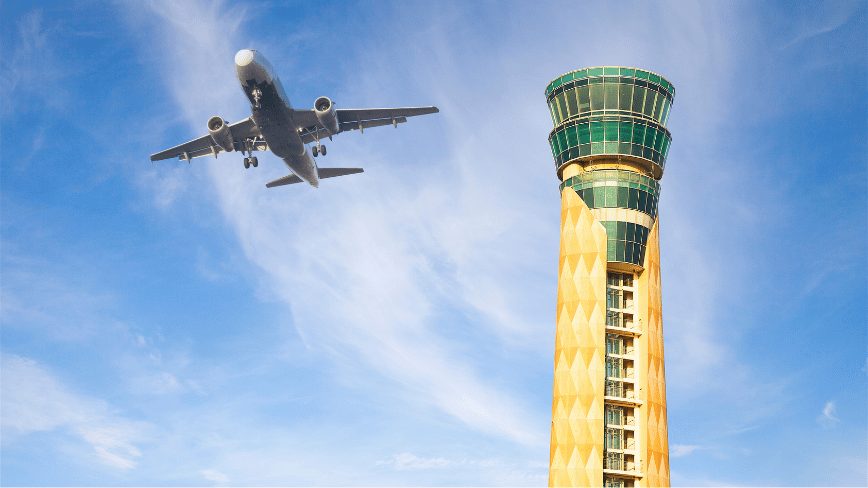
La FAA punta sull'AI per la gestione del traffico aereo
La Federal Aviation Administration (FAA) degli Stati Uniti ha avviato un'iniziativa strategica per modernizzare la gestione del traffico aereo attraverso l'implementazione di un avanzato sistema di intelligenza artificiale, denominato SMART (Strategic Management of Airspace Routing Trajectories). Questo progetto ambizioso mira a rivoluzionare la sicurezza e l'efficienza operativa, estendendo in modo significativo la capacità di prevedere potenziali conflitti nel traffico aereo.
Attualmente, i sistemi esistenti offrono una finestra di previsione di circa 15 minuti. L'obiettivo di SMART è portare questa capacità a due ore, fornendo ai controllori del traffico aereo un preavviso molto più ampio per identificare e risolvere situazioni critiche. Una tale estensione temporale potrebbe tradursi in decisioni più informate e proattive, riducendo il rischio di incidenti e ottimizzando i flussi di volo.
La competizione per un contratto cruciale
Per lo sviluppo e il deployment di SMART, la FAA ha messo in competizione tre attori di spicco nel panorama tecnicico e della difesa: Palantir, Thales e Air Space Intelligence. Ognuna di queste aziende porta sul tavolo competenze specifiche nel campo dell'analisi dati, dei sistemi critici e dell'intelligenza artificiale, rendendo la gara per il contratto particolarmente significativa.
La scelta del partner tecnicico sarà fondamentale per garantire che il sistema SMART non solo soddisfi i requisiti tecnici stringenti, ma sia anche integrabile con l'infrastruttura esistente e scalabile per le esigenze future. La complessità di un sistema che deve operare in tempo reale, elaborando enormi volumi di dati provenienti da radar, piani di volo e sensori, richiede soluzioni robuste e affidabili.
Le motivazioni dietro l'innovazione
L'urgenza di un sistema come SMART è stata accentuata da eventi passati, tra cui l'incidente di LaGuardia, che ha messo in luce le criticità legate al sovraccarico di lavoro dei controllori e all'obsolescenza dei sistemi tecnicici in uso. Questi episodi hanno evidenziato la necessità impellente di strumenti che possano alleggerire il carico cognitivo degli operatori e migliorare la resilienza dell'intero sistema di controllo del traffico aereo.
Per le organizzazioni che operano in settori critici come l'aviazione, la sovranità dei dati e il controllo diretto sull'infrastruttura sono aspetti prioritari. La scelta di un deployment on-premise o di un modello ibrido, ad esempio, può essere dettata da esigenze di compliance, sicurezza e latenza, garantendo che i dati sensibili rimangano all'interno di confini controllati e che le performance siano ottimali anche in scenari ad alto carico. La valutazione del TCO (Total Cost of Ownership) per soluzioni self-hosted rispetto a quelle basate su cloud diventa quindi un elemento chiave nella decisione strategica.
Prospettive future per l'AI in infrastrutture critiche
Il progetto SMART della FAA rappresenta un esempio emblematico dell'applicazione dell'intelligenza artificiale in infrastrutture critiche. La capacità di prevedere eventi con un anticipo significativo non solo migliora la sicurezza, ma apre anche la strada a una maggiore efficienza operativa, consentendo alle compagnie aeree di ottimizzare le rotte e ridurre i ritardi.
La competizione tra Palantir, Thales e Air Space Intelligence sottolinea l'importanza crescente delle soluzioni AI per la gestione di sistemi complessi e ad alto rischio. Indipendentemente dal vincitore, il deployment di SMART segnerà un passo avanti nella modernizzazione del controllo del traffico aereo, stabilendo nuovi standard per l'integrazione dell'AI in settori dove l'affidabilità e la precisione sono non negoziabili.










💬 Commenti (0)
🔒 Accedi o registrati per commentare gli articoli.
Nessun commento ancora. Sii il primo a commentare!