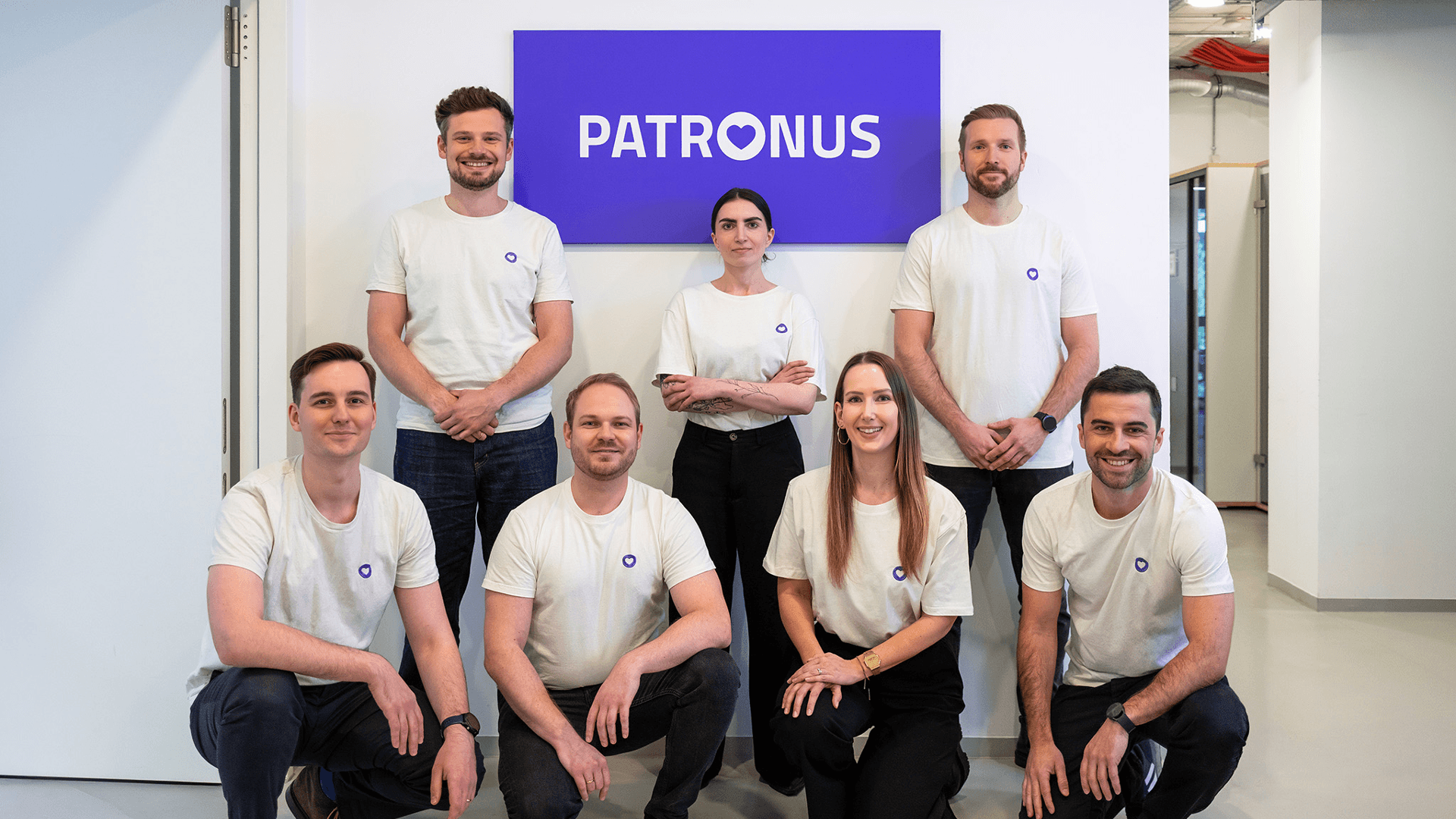
Patronus: un investimento per la sicurezza e l'indipendenza degli anziani
Patronus, la startup berlinese specializzata in soluzioni di sicurezza digitale per la popolazione anziana, ha annunciato di aver chiuso un round di finanziamento da 11 milioni di euro. L'operazione è stata guidata da 3TS Capital Partners, con la partecipazione di Grazia Equity e di investitori già presenti come Singular, Burda Principal Investments, Adjacent, NAP e UVC Partners. Questo significativo apporto di capitale sottolinea la crescente attenzione del mercato verso tecnicie in grado di migliorare la qualità della vita e l'autonomia degli anziani.
Fondata nel 2020 da Ben Staudt, Patronus si è posta l'obiettivo di superare i limiti dei tradizionali sistemi di chiamata di emergenza. Spesso, questi dispositivi vengono sottoutilizzati a causa di problemi di usabilità o dello stigma sociale associato al loro impiego. L'approccio di Patronus mira a offrire un'alternativa più accessibile e intuitiva, integrando la tecnicia nella vita quotidiana senza renderla invadente.
La tecnicia al servizio dell'assistenza: dallo smartwatch all'AI
Il prodotto di punta di Patronus è uno smartwatch progettato per assomigliare a un orologio da polso comune. Questo dispositivo consente agli utenti di connettersi direttamente a un centro di chiamata di emergenza con la semplice pressione di un pulsante. La sua peculiarità risiede nell'integrazione della connettività mobile, eliminando la necessità di infrastrutture domestiche dedicate, spesso un ostacolo per l'adozione di sistemi tradizionali. A complemento dello smartwatch, Patronus offre un'applicazione mobile per i familiari, che permette loro di rimanere informati e connessi con i propri cari in modo discreto, senza ricorrere a un monitoraggio intrusivo.
L'aspetto più interessante per il futuro dell'azienda, e per il settore AI-RADAR, risiede nell'annuncio di un "AI-powered companion". Questa funzionalità, ancora in fase di sviluppo, è destinata a supportare gli utenti nelle situazioni quotidiane. L'integrazione di un assistente basato su AI in un dispositivo indossabile solleva questioni cruciali relative al deployment. Una soluzione di questo tipo potrebbe richiedere capacità di inference direttamente sull'edge device per garantire risposte rapide e preservare la privacy dei dati sensibili, oppure potrebbe appoggiarsi a servizi cloud, con implicazioni diverse in termini di latenza, sovranità dei dati e TCO. La scelta architetturale sarà fondamentale per bilanciare performance, costi e conformità normativa.
Contesto di mercato e prospettive di espansione
Patronus ha già registrato un'adozione significativa, con decine di migliaia di utenti e un elevato tasso di utilizzo quotidiano, nettamente superiore a quello dei dispositivi di emergenza tradizionali. La piattaforma ha anche facilitato un numero considerevole di risposte alle emergenze, evidenziando la crescente domanda di soluzioni di sicurezza mobile tra la popolazione anziana. Questi dati riflettono una tendenza demografica chiara: l'invecchiamento della popolazione e la crescente richiesta di soluzioni che promuovano l'indipendenza e la sicurezza in casa.
I nuovi fondi permetteranno a Patronus di consolidare la propria posizione nel mercato delle risposte di emergenza mobile e di ampliare la propria offerta in tutta Europa. L'espansione delle funzionalità, in particolare quelle legate alla connettività familiare e al benessere, e l'introduzione dell'AI-powered companion, rappresentano passi strategici. Per le aziende che valutano l'implementazione di soluzioni AI in contesti simili, è essenziale considerare i trade-off tra deployment on-premise, edge computing e cloud, soprattutto quando si gestiscono dati personali e si mira a garantire la massima affidabilità e bassa latenza.
Il futuro dell'assistenza: tecnicia adattiva e scelte infrastrutturali
Ben Staudt, fondatore di Patronus, ha espresso la visione dell'azienda: "Vogliamo creare un mondo in cui l'invecchiamento significhi sicurezza, indipendenza e connessione, supportato da una tecnicia che si adatta alle persone, non il contrario." Questa filosofia è in linea con le esigenze di un mercato che cerca soluzioni sempre più personalizzate e meno invasive.
L'evoluzione verso un assistente basato su AI evidenzia come l'intelligenza artificiale stia diventando un componente chiave anche in settori non tradizionalmente "tech-first". Per i decision-maker tecnici, la sfida sarà scegliere l'infrastruttura più adatta per supportare queste nuove funzionalità. Che si tratti di LLM leggeri eseguiti sull'edge, o di modelli più complessi in cloud con rigorose politiche di sovranità dei dati, le decisioni di deployment avranno un impatto diretto sulla performance, sulla sicurezza e sul TCO complessivo della soluzione. AI-RADAR continua a esplorare questi framework analitici per aiutare le aziende a navigare le complessità del deployment di AI.








💬 Commenti (0)
🔒 Accedi o registrati per commentare gli articoli.
Nessun commento ancora. Sii il primo a commentare!