The Strategic Importance of PCBs for AI
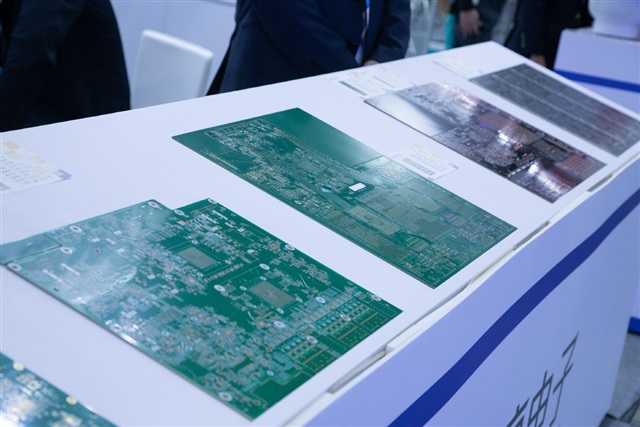
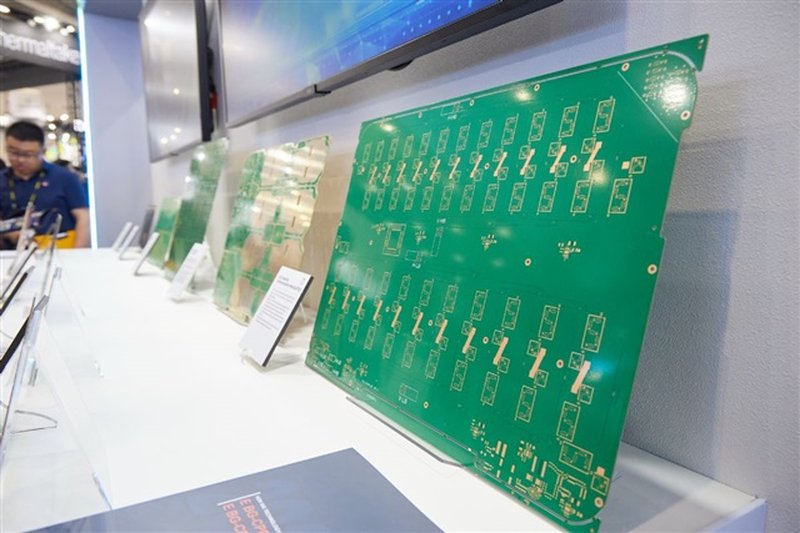
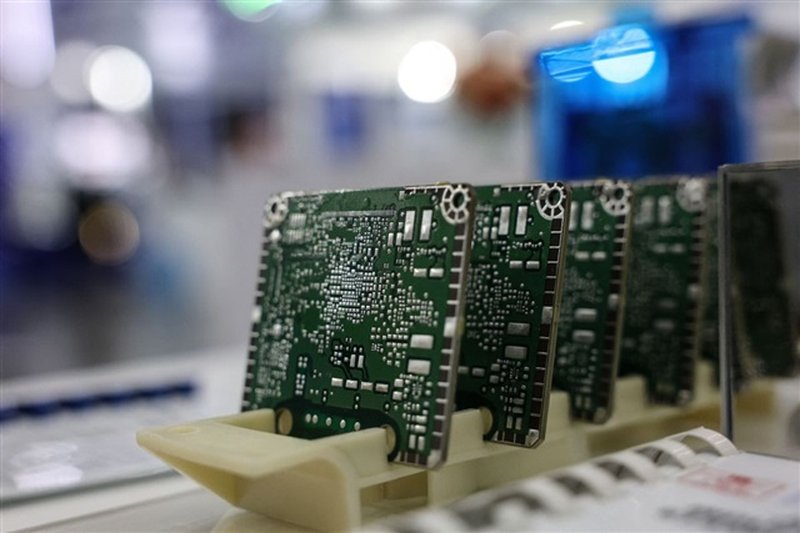
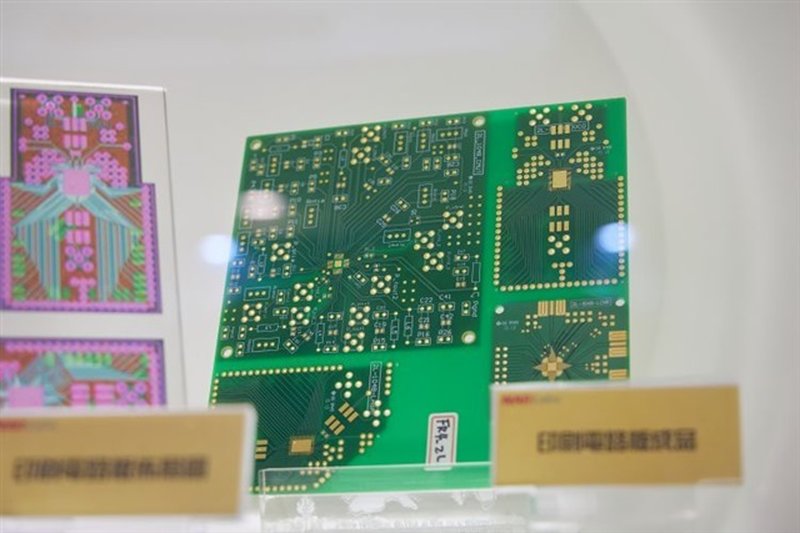
Printed Circuit Boards (PCBs) form the backbone of almost every modern electronic device, from server motherboards to high-performance GPUs. They are fundamental components that enable the interconnection and operation of chips, making them indispensable for global technological infrastructure. For companies planning or managing on-premise Large Language Model (LLM) deployments, the availability and stability of the PCB supply chain are critical factors. Without a steady flow of these components, building and expanding local data centers, equipped with the necessary GPUs and servers, becomes complex and costly.
Taiwan has established itself as one of the world's leading hubs for PCB manufacturing, playing a crucial role in supplying the essential components that power technological innovation. Its dominant position in the sector means that its market dynamics have significant global repercussions, directly influencing enterprises' ability to acquire the hardware needed for their AI strategies. The resilience of this supply chain is therefore a key parameter for CTOs and infrastructure architects aiming to maintain control and data sovereignty through self-hosted solutions.
Growth Projections and Driving Factors
According to DIGITIMES analysis, the Taiwanese PCB industry is projected to reach a production value exceeding NT$1 trillion (New Taiwan Dollars) by 2026. This estimate reflects a growing demand for advanced electronic components, fueled by several rapidly expanding sectors. Among these, artificial intelligence and high-performance computing (HPC) play a predominant role, requiring increasingly sophisticated PCBs to support the complex architectures of GPUs and AI accelerators.
The drive towards innovation in sectors such as automotive, 5G networks, and the Internet of Things (IoT) further contributes to this growth. Every new device or infrastructure requires specific PCBs, often with high density and performance requirements. For IT professionals evaluating the Total Cost of Ownership (TCO) of their AI deployments, understanding these market dynamics is essential, as the supply and demand of PCBs directly influence CapEx costs for hardware procurement and, consequently, the overall budget for infrastructure.
Latent Risks and Impact on On-Premise Deployments
Despite the optimistic growth projections, Taiwan's PCB sector is not immune to risks. The source highlights that uncertainties persist which could curb this momentum. Such risks may include geopolitical tensions, global supply chain disruptions, fluctuations in raw material prices, shortages of skilled labor, or challenges related to energy sustainability. Each of these factors has the potential to cause production delays and cost increases.
For organizations investing in on-premise AI infrastructure, these risks translate into concrete challenges. Difficulty in procuring motherboards, expansion cards, or GPUs due to disruptions in PCB production can delay the release of new AI projects or make upgrading existing hardware more expensive. This directly impacts the ability to maintain data sovereignty and ensure compliance in air-gapped environments, where reliance on external hardware suppliers is already a point of concern. An unstable supply chain can compromise the control and autonomy strategy that self-hosted deployments aim to offer.
Future Scenarios and Considerations for AI Infrastructure
The Taiwanese PCB industry's path towards the NT$1 trillion mark by 2026 is an indicator of the continued expansion of the technology sector, with profound implications for the future of artificial intelligence. However, the presence of latent risks underscores the importance of strategic planning and proactive supply chain management for companies dependent on these components. The ability to build and maintain robust and resilient AI infrastructure, especially in on-premise contexts, will largely depend on the stability and predictability of the PCB market.
For those evaluating on-premise deployments of LLMs and other AI solutions, AI-RADAR offers analytical frameworks at /llm-onpremise to assess trade-offs and mitigate risks related to supply chain and TCO. Closely monitoring PCB market dynamics and diversifying sourcing, where possible, will become increasingly crucial to ensure operational continuity and scalability of AI capabilities, while maintaining control over data and costs.






💬 Comments (0)
🔒 Log in or register to comment on articles.
No comments yet. Be the first to comment!