Supply Chain Stability in Focus
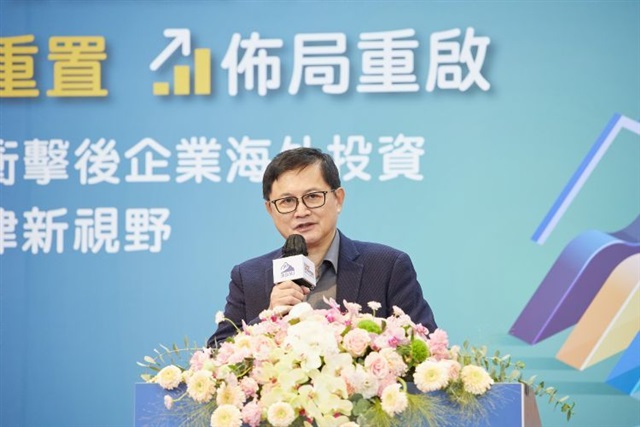
The chairman of Pegatron, a leading global supplier of electronic components, has issued a reassuring statement regarding recent leadership changes at Apple. According to reports from DIGITIMES, these modifications are not expected to disrupt established supply chain ties. This assertion, coming from an authoritative source, underscores the importance of stability and predictability in a rapidly evolving technological sector.
Operational continuity and the robustness of relationships between partners are fundamental elements for the entire technological ecosystem. In a global context characterized by complex and sometimes unpredictable dynamics, the ability to maintain strong supply relationships becomes a critical factor for long-term planning and efficient resource management.
Implications for On-Premise AI Infrastructure
For companies evaluating or already implementing artificial intelligence solutions, particularly LLMs, in on-premise environments, supply chain stability takes on strategic importance. Building a local AI infrastructure requires significant investment in specialized hardware, such as high-performance GPUs, servers, and storage systems. The availability of these components, their delivery times, and price stability are variables that directly impact the Total Cost of Ownership (TCO) and the feasibility of projects.
Any disruptions or uncertainties in the supply chain can delay deployments, increase costs, and compromise a company's ability to innovate and compete. Therefore, statements affirming the resilience of supply ties, even in the face of internal changes at industry giants, offer a positive signal for CTOs and infrastructure architects who must make critical decisions regarding CapEx and OpEx for their local AI stacks.
Data Sovereignty and Hardware Dependence
The choice of an on-premise deployment for AI workloads is often driven by data sovereignty requirements, regulatory compliance, and direct control over the operational environment. However, this strategy makes companies inherently more dependent on the availability and reliability of physical hardware. Unlike cloud solutions, where infrastructure management is delegated to third parties, a self-hosted environment requires careful planning for component procurement and maintenance.
Pegatron's reassurance, although specific to Apple, reflects a broader trend towards seeking stability in global supply chains. For those focused on AI-RADAR, understanding these market dynamics is essential to mitigate risks and ensure that on-premise deployment decisions are supported by a robust and predictable supply chain. The ability to obtain necessary GPUs, VRAM, and other elements without interruption is a cornerstone for creating air-gapped environments and maintaining data security and privacy.
Future Prospects for the Tech Ecosystem
The statement from Pegatron's chairman offers insight into the maturity and resilience of industrial relationships within the technology sector. In an era where innovation is rapid and geopolitical challenges can influence markets, the ability to maintain supply chain stability is a key indicator of the industry's overall health. For companies investing in emerging technologies like AI, this stability translates into greater confidence in investment planning and the execution of long-term projects.
Predictability in hardware costs and delivery times is an enabling factor for the widespread adoption of on-premise AI solutions, allowing organizations to fully leverage the benefits of local control over their data and models. Therefore, keeping a close eye on global supply chain dynamics remains fundamental for anyone involved in advanced technological infrastructures.





💬 Comments (0)
🔒 Log in or register to comment on articles.
No comments yet. Be the first to comment!