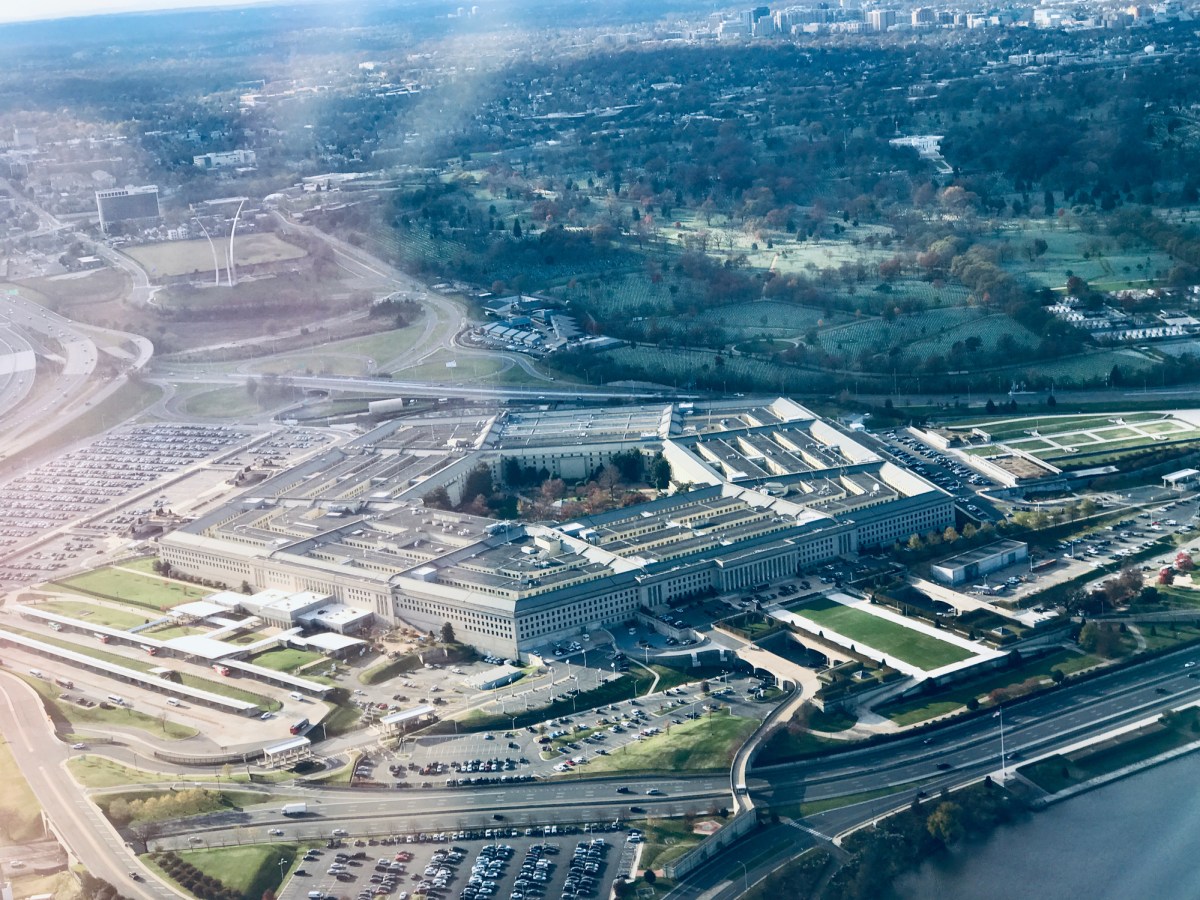
Il Dipartimento della Difesa e la strategia AI
Il Dipartimento della Difesa degli Stati Uniti (DoD) ha annunciato una serie di accordi strategici con giganti tecnicici come Nvidia, Microsoft e AWS. L'obiettivo primario di queste collaborazioni è il deployment di soluzioni di intelligenza artificiale all'interno delle proprie reti classificate. Questa iniziativa segna un passo significativo nell'adozione dell'AI per applicazioni di sicurezza nazionale, evidenziando al contempo una chiara strategia di gestione del rischio e diversificazione dei fornitori.
L'integrazione dell'AI in ambienti così sensibili richiede un'attenzione meticolosa alla sicurezza, alla conformità e alla resilienza operativa. Gli accordi con attori chiave del settore tecnicico mirano a garantire che il DoD possa accedere a capacità AI all'avanguardia, mantenendo al contempo il controllo sui propri dati e sulle infrastrutture critiche.
La strategia di diversificazione e il contesto infrastrutturale
La decisione del DoD di ampliare il proprio ecosistema di fornitori di AI non è casuale. Arriva infatti dopo una controversa disputa con Anthropic, incentrata sui termini di utilizzo dei suoi modelli di intelligenza artificiale. Questo episodio ha evidentemente spinto il Dipartimento a riconsiderare l'esposizione a un singolo vendor, privilegiando un approccio più resiliente e distribuito.
Il deployment su "reti classificate" implica requisiti stringenti in termini di sicurezza, isolamento e controllo dei dati. Tali ambienti spesso richiedono soluzioni self-hosted o configurazioni ibride estremamente controllate, dove la sovranità dei dati e la conformità normativa sono priorità assolute. L'hardware di Nvidia, leader nel silicio per l'AI, e le piattaforme cloud di Microsoft e AWS, in questo contesto, dovranno essere integrate in modo da rispettare queste severe direttive, potenzialmente attraverso istanze dedicate o ambienti air-gapped.
Implicazioni per il deployment di LLM on-premise
Per organizzazioni con esigenze simili a quelle del DoD, sebbene su scala diversa, la scelta tra deployment on-premise e soluzioni cloud rimane cruciale. L'implementazione di Large Language Models (LLM) su infrastrutture locali offre un controllo senza pari sulla sicurezza, sulla latenza e sulla personalizzazione. Tuttavia, comporta investimenti significativi in hardware, come GPU ad alte prestazioni con VRAM adeguata, e competenze per la gestione dell'infrastruttura.
I costi operativi e di capitale (CapEx vs OpEx) diventano fattori determinanti nella valutazione del Total Cost of Ownership (TCO). Le reti classificate del Pentagono rappresentano un esempio estremo di ambiente air-gapped o altamente segregato, dove la possibilità di mantenere i dati sensibili all'interno di confini fisici e logici definiti è irrinunciabile. Per chi valuta deployment on-premise, AI-RADAR offre framework analitici su /llm-onpremise per supportare la valutazione dei trade-off tra controllo, costo e performance.
Prospettive future e trade-off
Gli accordi del Pentagono evidenziano una tendenza crescente verso architetture ibride e multi-vendor per i carichi di lavoro AI più sensibili. Se da un lato la diversificazione riduce la dipendenza da un singolo fornitore e mitiga i rischi legati a future dispute contrattuali, dall'altro introduce complessità nella gestione e nell'integrazione di sistemi eterogenei.
La scelta di partner come Nvidia, leader nel silicio per l'AI, e i principali fornitori di cloud, suggerisce un approccio pragmatico che cerca di bilanciare innovazione tecnicica e requisiti di sicurezza. Le organizzazioni che operano in settori regolamentati o con dati sensibili possono trarre spunto da questa strategia, valutando attentamente i trade-off tra agilità del cloud e controllo del self-hosted.








💬 Commenti (0)
🔒 Accedi o registrati per commentare gli articoli.
Nessun commento ancora. Sii il primo a commentare!