
A Hybrid Approach to AI
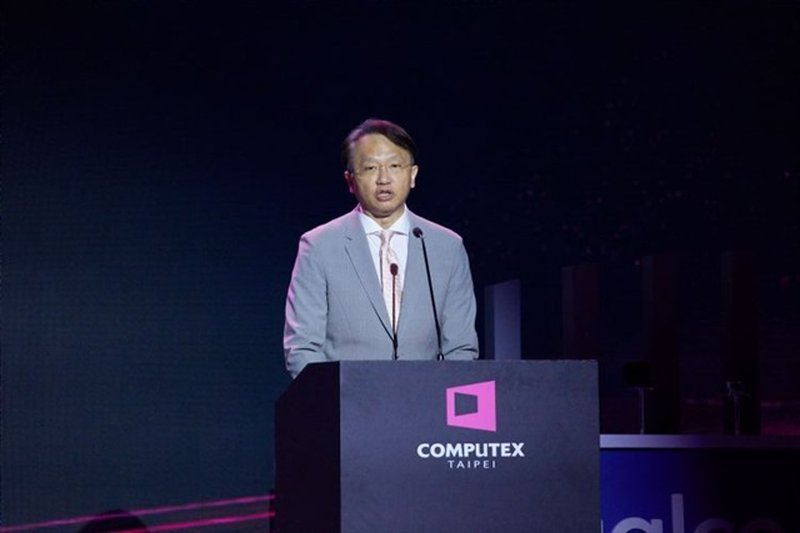
Perplexity AI has unveiled a solution that redefines the execution of AI workloads, introducing a dynamic hybrid deployment model. Presented at Computex in Taipei by CEO Aravind Srinivas, the platform acts as a true "air-traffic controller" for AI queries, deciding in real-time whether to process them locally on a personal computer or leverage the power of cloud servers.
This approach aims to optimize efficiency and responsiveness, dynamically adapting to computational demands and available resources. The ability to balance processing between local and remote resources represents a significant step towards more flexible and scalable AI architectures, a central theme for companies evaluating complex deployment strategies.
The Logic of the "Air-Traffic Controller"
The core of the system lies in its real-time analysis and decision-making capabilities. The platform evaluates each individual AI query and determines if its computational requirements can be met by a local PC processor. This includes assessing factors such as model complexity, context window size, and memory requirements.
If the workload is too intensive or requires specific resources, such as high VRAM or advanced hardware accelerators typical of data centers, the system automatically directs it to cloud servers. This dynamic distribution logic allows for optimal utilization of distributed processing capabilities, potentially reducing latency for simpler operations while ensuring the necessary power for more complex ones.
Implications for Deployment and Data Sovereignty
The introduction of such an "air-traffic controller" has significant implications for AI deployment strategies. Companies evaluating self-hosted or hybrid solutions can benefit from a system that balances the use of on-premise resources with cloud resources. This approach can impact the Total Cost of Ownership (TCO), allowing for optimized investment in local hardware and paying for cloud resources only when strictly necessary.
Furthermore, for workloads requiring high data sovereignty or operating in air-gapped environments, the ability to perform part of the inference locally offers greater control and compliance. AI-RADAR, for instance, provides analytical frameworks on /llm-onpremise to evaluate these complex trade-offs, considering aspects like latency, throughput, and VRAM requirements, which are essential for informed decisions on Large Language Models (LLM) deployment.
The Future of Distributed AI Processing
Perplexity AI's solution highlights a growing trend towards more flexible and distributed AI architectures. The ability to intelligently shift workloads between edge, on-premise, and cloud represents a step forward for a more resilient and adaptable AI infrastructure. This is particularly relevant in a context where LLM inference continues to demand significant computational resources.
Optimizing resource allocation becomes crucial for companies seeking to implement AI solutions at scale while maintaining control over their data and operational costs. This hybrid model could set a new standard for AI workload management, offering a balance between performance, cost, and control.







💬 Comments (0)
🔒 Log in or register to comment on articles.
No comments yet. Be the first to comment!