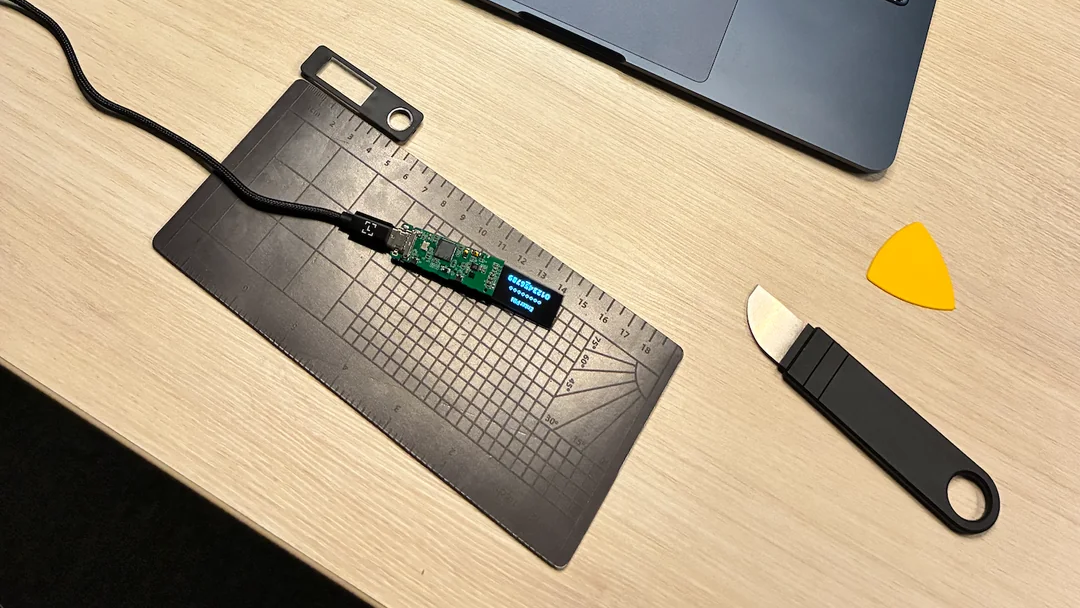
Counterfeit Hardware Wallets: A Real Risk for Digital Security
The integrity of hardware is a fundamental pillar for the security of any digital infrastructure, especially in contexts where data sovereignty and control are priorities. A recent incident highlighted a tangible threat: the purchase of a counterfeit Ledger Nano S+ hardware wallet. This device, an extremely convincing clone of the original, almost tricked an experienced user, exposing them to a phishing attempt.
The incident demonstrates how the sophistication of counterfeits can make it difficult, even for industry professionals, to distinguish an authentic product from a fraudulent one. The ability of a clone to faithfully replicate the appearance and feel of an original device creates a false sense of security, opening the door to critical vulnerabilities that could compromise digital assets and sensitive information. For less experienced users, the risk of falling victim to such scams would have been even higher.
The Risk of Counterfeit Hardware in the Supply Chain
The case of the fake hardware wallet is not an isolated event but a wake-up call about the vulnerability of the technology supply chain. The proliferation of counterfeit hardware introduces systemic risks that extend beyond the individual user or device. Any inauthentic component, be it a hardware wallet, a GPU, a memory module, or a network chip, can contain backdoors, malicious firmware, or design flaws that compromise the security and reliability of the entire infrastructure.
For organizations implementing on-premise AI/LLM solutions, trust in hardware is non-negotiable. Ensuring that every element of the technology stack is authentic and free from alterations is essential for maintaining regulatory compliance, protecting intellectual property, and ensuring operational resilience. A single point of weakness in the supply chain can undermine years of investment in security and compliance, rendering efforts to build air-gapped or highly protected environments futile.
Implications for On-Premise Deployments and Data Sovereignty
AI-RADAR's focus on data sovereignty and on-premise deployments makes these types of threats particularly relevant. When choosing to keep AI/LLM workloads within one's own data centers, the responsibility for security falls entirely on the organization. This includes verifying the authenticity of every piece of hardware, from servers to graphics cards, and even security devices like hardware wallets for managing cryptographic keys or accessing critical systems.
The presence of counterfeit hardware can have devastating consequences, from the loss of sensitive data to exposure to targeted cyberattacks, and even the compromise of the entire network. For CTOs, DevOps leads, and infrastructure architects, it is imperative to implement rigorous procurement and verification processes. This includes purchasing from authorized suppliers, physically inspecting devices, and, when possible, using cryptographic verification tools to confirm the authenticity of pre-installed firmware and software. Minimizing TCO must never compromise fundamental hardware security.
Mitigation Strategies and Constant Vigilance
To mitigate the risks associated with counterfeit hardware, organizations must adopt a proactive approach. Purchasing hardware only from official channels and authorized resellers is the first and most important step. It is crucial to be wary of offers that seem too good to be true, as they often conceal inauthentic or compromised products. Furthermore, it is advisable to implement quality control and verification procedures upon receipt of goods, which may include examining security seals, serial numbers, and packaging.
Awareness and staff training are equally crucial. Users must be educated on warning signs that may indicate a counterfeit product and on best practices for digital security management. In a constantly evolving technological landscape, where threats become increasingly sophisticated, constant vigilance and careful due diligence on hardware integrity are indispensable for protecting digital assets and ensuring data sovereignty. For those evaluating on-premise deployments, AI-RADAR offers analytical frameworks on /llm-onpremise to assess trade-offs and risks related to infrastructure.











💬 Comments (0)
🔒 Log in or register to comment on articles.
No comments yet. Be the first to comment!