
Allarme sulla Produzione di Chip di Samsung
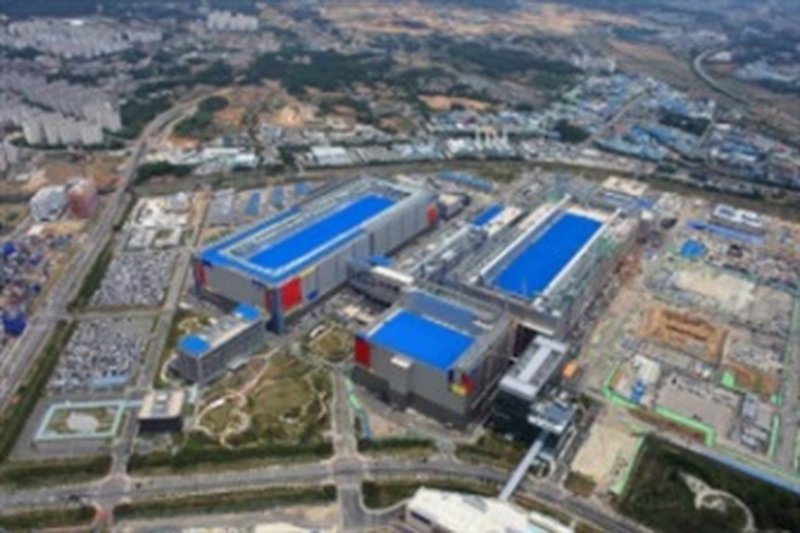
Il presidente del consiglio di amministrazione di Samsung ha recentemente espresso preoccupazione per un potenziale sciopero che potrebbe avere un impatto diretto sulla produzione di chip. Questa dichiarazione sottolinea la fragilità delle catene di fornitura globali, un tema ricorrente nel settore tecnicico, e mette in luce i rischi associati alla dipendenza da pochi attori chiave per componenti critici.
Samsung, uno dei maggiori produttori mondiali di semiconduttori, gioca un ruolo fondamentale non solo nel mercato consumer, ma anche come fornitore essenziale di memoria (DRAM e NAND) e logica per server, data center e sistemi di intelligenza artificiale. Qualsiasi interruzione delle sue operazioni produttive può generare un effetto domino su scala globale, influenzando la disponibilità e i costi di componenti vitali per l'intera industria.
Implicazioni per l'Framework AI On-Premise
Per le aziende che investono in infrastrutture AI self-hosted, la disponibilità e il costo dei chip sono fattori determinanti. I Large Language Models (LLM) richiedono hardware specifico, come GPU con elevata VRAM e processori performanti, la cui produzione dipende strettamente dalla stabilità della catena di fornitura dei semiconduttori. Un'interruzione nella produzione di chip Samsung potrebbe rallentare la consegna di nuovi server e schede grafiche, aumentando i tempi di attesa e potenzialmente i costi.
Questo scenario evidenzia l'importanza di una pianificazione strategica per l'approvvigionamento hardware. Le decisioni di deployment on-premise, spesso motivate da esigenze di sovranità dei dati, compliance o ottimizzazione del TCO a lungo termine, dipendono dalla capacità di acquisire e mantenere l'hardware necessario. La volatilità del mercato dei chip può complicare queste strategie, rendendo cruciale la valutazione dei rischi di fornitura e la ricerca di soluzioni resilienti.
La Pipeline di Fornitura Globale e la Resilienza
La produzione di semiconduttori è un processo complesso e globalizzato, che coinvolge diverse fasi e attori in tutto il mondo. Dalla progettazione alla fabbricazione, dall'assemblaggio al testing, ogni passaggio è interconnesso. Eventi come scioperi, disastri naturali o tensioni geopolitiche possono facilmente interrompere questo delicato equilibrio, con conseguenze che si propagano rapidamente attraverso l'ecosistema tecnicico.
Le aziende che considerano il deployment di LLM on-premise devono valutare attentamente la resilienza della propria catena di fornitura hardware. Questo include non solo la scelta dei fornitori, ma anche la diversificazione, la gestione delle scorte e la capacità di adattarsi a potenziali ritardi o aumenti di prezzo. La capacità di mantenere un ambiente air-gapped o di garantire la sovranità dei dati dipende in ultima analisi dalla disponibilità di hardware affidabile e sicuro, rendendo la stabilità della produzione di chip una priorità strategica.
Prospettive Future e Strategie di Mitigazione
La minaccia di uno sciopero in un gigante come Samsung serve da monito per l'intero settore tecnicico. Mentre la domanda di capacità di calcolo per l'AI continua a crescere esponenzialmente, la stabilità della produzione di chip rimane una preoccupazione primaria. Le organizzazioni che si affidano a stack locali per i loro carichi di lavoro AI/LLM devono integrare la valutazione dei rischi della catena di fornitura nelle loro decisioni di investimento, considerando l'impatto potenziale sulla disponibilità di hardware e sui costi operativi.
Per chi valuta deployment on-premise, AI-RADAR offre framework analitici su /llm-onpremise per valutare i trade-off tra costi iniziali, operativi e rischi di fornitura. Comprendere l'impatto di tali eventi sulla disponibilità di hardware, sulla VRAM e sul throughput è fondamentale per costruire un'infrastruttura AI robusta e sostenibile, capace di affrontare le incertezze del mercato globale dei semiconduttori.







💬 Commenti (0)
🔒 Accedi o registrati per commentare gli articoli.
Nessun commento ancora. Sii il primo a commentare!