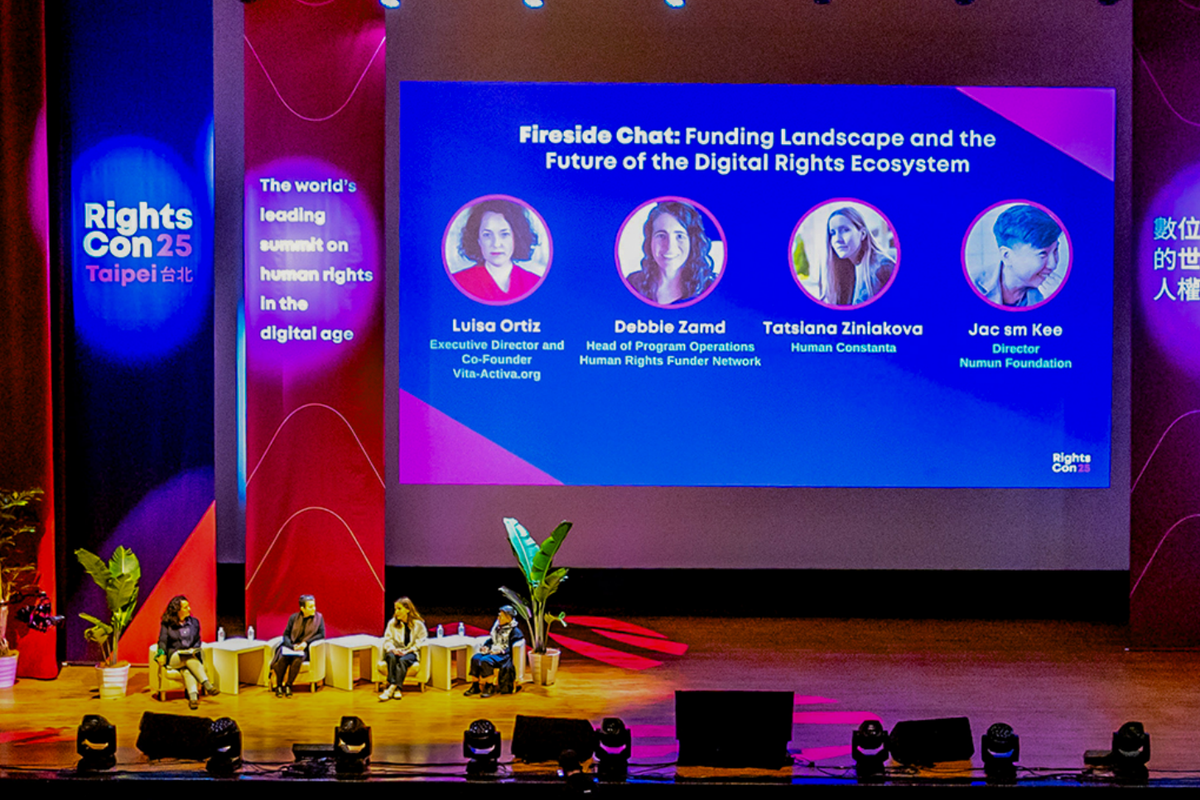
La cancellazione di RightsCon: un caso di pressione diplomatica
La più grande conferenza mondiale sui diritti umani digitali, RightsCon, è stata improvvisamente annullata in Zambia, a pochi giorni dal suo inizio. L'evento, che richiede anni di preparazione e coinvolge migliaia di partecipanti da ogni angolo del pianeta, è stato bloccato a causa di intense pressioni diplomatiche. Questa decisione ha colto di sorpresa ospiti e relatori, molti dei quali erano già in viaggio verso la destinazione africana.
L'organizzazione Access Now, promotrice di RightsCon, ha rivelato i dettagli di quanto accaduto, sottolineando la natura inaspettata e la gravità della situazione. La cancellazione di un evento di tale portata logistica, pianificato con oltre un anno di anticipo e con un programma che include più di 500 sessioni, rappresenta una sfida senza precedenti per gli organizzatori e per la comunità globale dei diritti digitali.
Le ragioni dietro la decisione: il ruolo della Cina
Secondo quanto dichiarato da Access Now, il governo cinese ha esercitato forti pressioni sulle autorità zambiane. Il motivo principale di tale intervento era la prevista partecipazione di figure di spicco della società civile taiwanese tra i relatori. Tra questi figuravano Jo-Fan Yu, CEO del Taiwan Network Information Center, e E-Ling Chiu, direttrice di Amnesty International Taiwan. La Cina, che considera Taiwan parte integrante del proprio territorio, ha una lunga storia di interventi diplomatici e commerciali per impedire il riconoscimento internazionale dell'isola e la sua partecipazione a eventi globali.
Le pressioni sono emerse il 27 aprile, un giorno dopo che un comunicato stampa governativo zambiano aveva ufficialmente approvato RightsCon. Access Now ha ricevuto una telefonata dal Ministero della Tecnologia dello Zambia, che segnalava l'urgenza della questione e le pressioni esercitate da diplomatici della Repubblica Popolare Cinese. Nonostante i tentativi iniziali di Access Now di dialogare con il governo zambiano e di trovare una soluzione, la situazione è rapidamente degenerata.
Implicazioni per la sovranità digitale e la libertà di espressione
Questo episodio solleva interrogativi significativi sulla libertà di espressione, sulla sovranità digitale e sull'autonomia delle nazioni ospitanti. La capacità di un governo esterno di influenzare l'organizzazione di un evento internazionale in un paese terzo evidenzia le sfide che le organizzazioni e le comunità devono affrontare nel promuovere i diritti digitali a livello globale. Tali interferenze possono avere un impatto profondo sulla capacità di discutere temi sensibili e di includere voci diverse.
Per le aziende e le istituzioni che operano nel settore tecnicico, la sovranità dei dati e il controllo sull'infrastruttura diventano elementi cruciali. La necessità di proteggere le informazioni e le operazioni da influenze esterne o da requisiti di compliance stringenti, spesso spinge verso la valutazione di soluzioni self-hosted o deployment on-premise. Questi approcci offrono un maggiore controllo sui dati e sull'ambiente operativo, mitigando rischi legati a pressioni geopolitiche o a normative di paesi terzi. AI-RADAR, ad esempio, offre framework analitici per valutare i trade-off dei deployment on-premise, fornendo strumenti utili per decisioni strategiche in contesti complessi.
La "linea rossa" di Access Now e le sfide future
Access Now ha dichiarato di aver ricevuto richieste esplicite di moderare specifici argomenti e di escludere intere comunità a rischio, inclusi i partecipanti taiwanesi, sia dalla partecipazione in presenza che online. L'organizzazione ha definito queste condizioni una "linea rossa" inaccettabile, in quanto contrarie ai principi fondamentali di RightsCon e di Access Now stessa, che si battono per un internet aperto e inclusivo.
La cancellazione, sebbene logisticamente complessa e costosa, è stata l'unica opzione per mantenere l'integrità dell'evento e i valori che esso rappresenta. Questo incidente sottolinea le crescenti sfide che le conferenze internazionali e le organizzazioni per i diritti umani devono affrontare in un panorama geopolitico sempre più teso, dove la libertà di riunione e di espressione digitale può essere compromessa da interessi statali. Il futuro di eventi simili richiederà una maggiore attenzione alla scelta delle sedi e alla protezione dei partecipanti da interferenze esterne.







💬 Commenti (0)
🔒 Accedi o registrati per commentare gli articoli.
Nessun commento ancora. Sii il primo a commentare!