Tensions at Samsung: The Demand for an AI Share
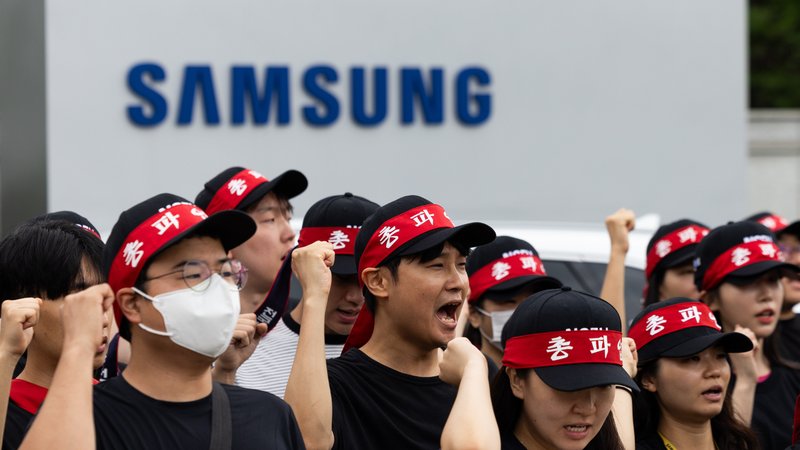
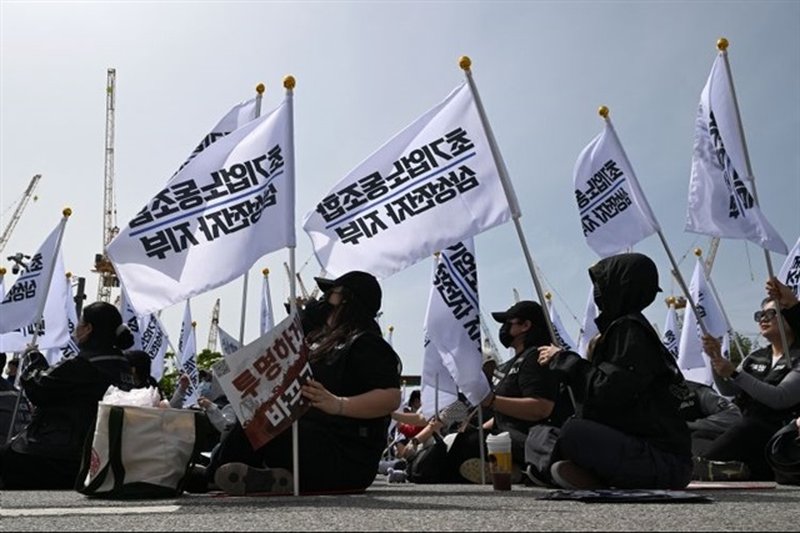
The South Korean tech giant Samsung Electronics is facing increasing internal pressure. Its employees, represented by unions, have put forward demands for a larger share of the profits generated by the artificial intelligence sector. The situation is tense, with the possibility of a strike that could have significant repercussions. This dispute is not just an internal matter for Samsung but reflects a broader trend where workers are seeking a more equitable distribution of benefits derived from the rapid expansion of AI.
Samsung, a key player in the global technology ecosystem, is a fundamental supplier of hardware components, including memory chips and other essential elements for AI infrastructure. Its strategic position makes any disruption to its operations a potential stress factor for the global supply chain, affecting companies and projects that rely on its products to power their AI workloads.
The Economic Context of Artificial Intelligence
Artificial intelligence has become a primary economic driver, with investments and revenues growing exponentially. This boom has generated considerable profits for many companies in the sector but has also raised questions about the distribution of such wealth. The value created by AI is not limited to model developers or cloud platforms alone; it extends across the entire supply chain, from silicon manufacturers to energy providers.
For organizations evaluating the deployment of Large Language Models (LLM) on-premise, the cost and availability of hardware represent critical factors in calculating the Total Cost of Ownership (TCO). Components such as high-density VRAM, specialized processors for Inference, and high-performance storage systems are indispensable. Market dynamics, including production costs and supply chain stability, directly influence companies' ability to build and maintain their local AI infrastructures, while ensuring data sovereignty and control.
Implications for the On-Premise Ecosystem
A potential disruption to the operations of a giant like Samsung could have cascading effects on the entire technology sector, particularly for those relying on self-hosted solutions. The production of memory chips, SSDs, and other critical components for AI servers could slow down, leading to shortages or price increases. This scenario is particularly relevant for companies investing in bare metal infrastructures or Kubernetes clusters for their LLMs, where hardware availability and cost are decisive.
Planning an on-premise deployment requires careful evaluation of supply chain risks. Events such as strikes or labor disputes at key suppliers can significantly alter TCO projections and project deployment timelines. Maintaining tight control over local infrastructure offers advantages in terms of security and compliance but also exposes organizations to fluctuations in the hardware component market. For those evaluating on-premise deployment, AI-RADAR offers analytical frameworks on /llm-onpremise to assess trade-offs and mitigate such risks.
Future Prospects and Value Distribution in AI
The dispute at Samsung is a signal of how the rapid evolution of AI is redefining not only business models but also industrial relations. The question of how profits generated by AI should be distributed between capital and labor will become increasingly central. For companies operating in the sector, this means not only managing technological innovation but also navigating an evolving social and economic landscape.
An organization's ability to implement and scale AI solutions, whether in the cloud or on-premise, will increasingly depend on a stable and predictable ecosystem. The stability of hardware suppliers, cost transparency, and supply chain risk management will be crucial factors for long-term success. These events underscore the importance of a resilient infrastructural strategy, capable of adapting to a constantly transforming global market.






💬 Comments (0)
🔒 Log in or register to comment on articles.
No comments yet. Be the first to comment!