PX Mart e le etichette elettroniche: la spinta alla digitalizzazione del retail a Taiwan
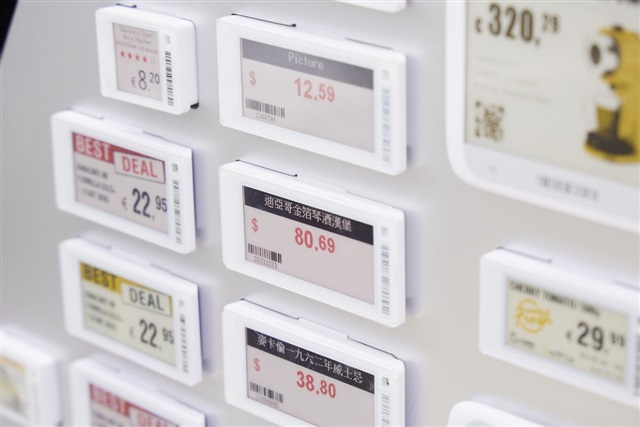
PX Mart, uno dei principali attori nel panorama della grande distribuzione a Taiwan, sta intensificando i suoi investimenti nelle etichette elettroniche da scaffale (ESL). Questa mossa strategica è destinata a fungere da catalizzatore per l'accelerazione della digitalizzazione del settore retail sull'isola, offrendo al contempo una soluzione concreta per mitigare le crescenti pressioni sul personale. L'adozione su larga scala di queste tecnicie rappresenta un passo significativo verso un'operatività più efficiente e reattiva nel commercio al dettaglio.
Le etichette elettroniche da scaffale sono piccoli display digitali, spesso e-paper, che sostituiscono le tradizionali etichette cartacee per i prezzi e le informazioni sui prodotti. Questi dispositivi sono gestiti centralmente e possono essere aggiornati in tempo reale tramite una rete wireless, consentendo ai rivenditori di modificare prezzi, promozioni e dettagli dei prodotti con rapidità e precisione. L'iniziativa di PX Mart sottolinea una tendenza globale verso l'automazione e l'ottimizzazione dei processi nei punti vendita fisici, unendo i vantaggi del commercio elettronico con l'esperienza d'acquisto tradizionale.
Tecnologia e Vantaggi Operativi
Il cuore del sistema ESL risiede nella sua capacità di sincronizzare le informazioni sui prezzi e sui prodotti tra il sistema gestionale del negozio e gli scaffali fisici. Questo elimina la necessità di aggiornamenti manuali, riducendo drasticamente gli errori umani e liberando il personale da compiti ripetitivi e ad alto dispendio di tempo. Per un'azienda come PX Mart, con una vasta rete di punti vendita, l'efficienza derivante da un tale sistema può tradursi in risparmi operativi significativi e in una maggiore agilità nel rispondere alle dinamiche di mercato.
Oltre alla riduzione delle pressioni sul personale, le ESL offrono una flessibilità senza precedenti nella gestione delle promozioni e delle strategie di prezzo dinamico. I rivenditori possono implementare campagne "flash sale" o adeguare i prezzi in base alla domanda, all'inventario o ai prezzi della concorrenza in tempo reale, massimizzando così i margini e l'attrattiva per i clienti. La precisione e la coerenza delle informazioni sui prezzi tra online e offline migliorano inoltre l'esperienza del cliente, riducendo le discrepanze e le frustrazioni.
Implicazioni per il Deployment e la Sovranità dei Dati
L'implementazione di un sistema di etichette elettroniche da scaffale, sebbene non coinvolga direttamente Large Language Models o carichi di lavoro AI complessi, richiede comunque una solida infrastruttura di rete e di gestione dati. Le decisioni relative al deployment di questa infrastruttura – che sia on-premise, cloud o ibrida – sono cruciali e dipendono da vari fattori, tra cui il Total Cost of Ownership (TCO), le esigenze di scalabilità e, non meno importante, la sovranità dei dati.
Per un'azienda che gestisce milioni di prezzi e informazioni sui prodotti, la scelta di mantenere i dati sensibili all'interno dei propri confini infrastrutturali (on-premise) può offrire un maggiore controllo sulla sicurezza e sulla compliance normativa, specialmente in contesti dove la protezione dei dati è una priorità. Al contrario, un deployment basato su cloud potrebbe offrire maggiore flessibilità e scalabilità, ma con potenziali compromessi in termini di controllo diretto sui dati. Per chi valuta deployment on-premise per carichi di lavoro che richiedono controllo e sovranità dei dati, AI-RADAR offre framework analitici su /llm-onpremise per valutare i trade-off tra le diverse architetture.
Prospettive Future per il Retail Digitale
L'investimento di PX Mart nelle ESL è emblematico di una trasformazione più ampia che sta attraversando il settore retail. La digitalizzazione dei punti vendita fisici non si limita alla sola gestione dei prezzi, ma si estende all'analisi del comportamento dei clienti, alla gestione intelligente dell'inventario e all'integrazione con altre tecnicie emergenti, come l'intelligenza artificiale per la personalizzazione delle offerte. Le etichette elettroniche rappresentano un tassello fondamentale in questo ecosistema interconnesso, fornendo una base per la raccolta e la visualizzazione di dati in tempo reale.
Questa evoluzione non solo migliora l'efficienza operativa e l'esperienza del cliente, ma prepara anche il terreno per future innovazioni. Man mano che i rivenditori cercano di ottimizzare ogni aspetto delle loro operazioni, la capacità di implementare e gestire tecnicie come le ESL con un'infrastruttura robusta e controllata diventerà un fattore distintivo. La "scommessa" di PX Mart sulle ESL è, in ultima analisi, una scommessa sul futuro del retail, un futuro in cui la tecnicia gioca un ruolo centrale nel definire l'efficienza e la competitività.







💬 Commenti (0)
🔒 Accedi o registrati per commentare gli articoli.
Nessun commento ancora. Sii il primo a commentare!