
Qendra Secures Funding for Quantum Infrastructure
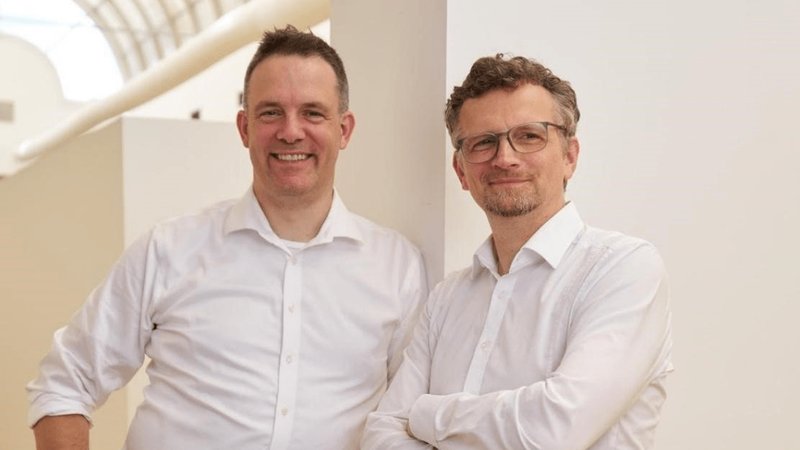
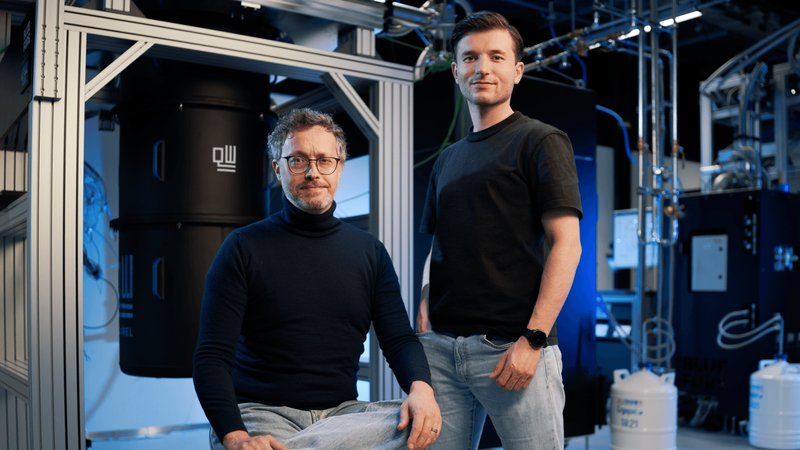
Zurich-based startup Qendra has announced it has secured €162,000 (CHF 150,000) in funding from Venture Kick. This capital is earmarked to advance its control systems, which are crucial for quantum computing experiments. The company was founded by Martin Stadler (CEO), Ferdinand Felder (COO), and Chidzahi Mabritto (Deputy CTO), and builds upon innovative technology developed at ETH Zurich, specifically within the Trapped Ion Quantum Information group.
Qendra's team combines deep expertise in quantum physics, engineering, and system design, which are fundamental elements for delivering advanced control solutions to quantum laboratories. This investment highlights the growing focus on the supporting infrastructure required to make quantum computing a practical and scalable reality—a sector poised to revolutionize fields such as drug discovery, logistics, and climate modeling.
The Intrinsic Challenges of Quantum Systems
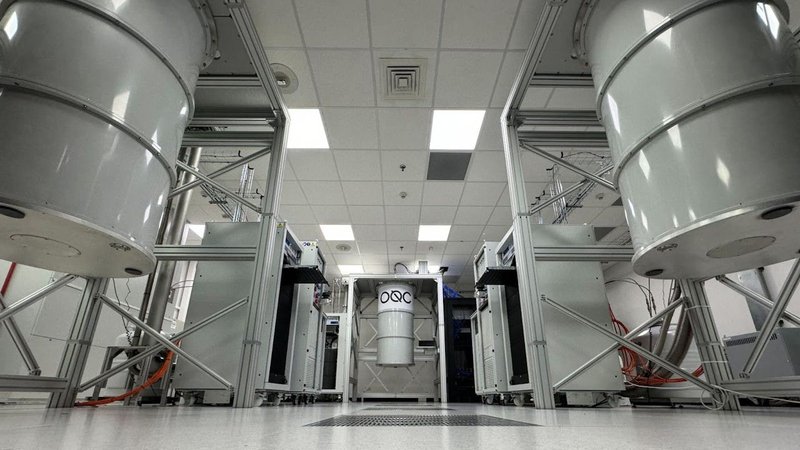
Quantum computing, while highly promising, faces significant infrastructure challenges. Leading hardware architectures, including trapped-ion and neutral-atom platforms, demand extremely intricate and difficult-to-manage experimental environments. These systems rely on the ultra-precise coordination of numerous components, such as lasers, cameras, and other optical and electronic devices, all of which must operate in perfect synchronicity.
Currently, managing these environments often depends on highly specialized and fragmented solutions. While functional for basic research, this approach inherently limits the scalability and operational reliability of quantum systems. For organizations considering the deployment of advanced computing capabilities, the complexity and fragility of these setups represent a significant hurdle, making the transition from laboratory prototypes to more robust and usable infrastructure challenging.
Qendra's Control Solution for Scalability
To address these issues, Qendra has developed a dedicated control system that bridges classical hardware with quantum operations. Its platform is designed to synchronize and orchestrate multiple experimental components, from complex signal generation to overall system management. This integrated approach aims to simplify experiment setup times and maintain a high level of operational precision.
The primary goal of Qendra's technology is to improve experimental efficiency and support the scaling of quantum computing infrastructure. For those evaluating the deployment of cutting-edge technologies, the ability to efficiently and reliably manage complex hardware environments is a critical factor. Solutions like Qendra's are essential for reducing TCO and accelerating the adoption of these technologies, providing granular control and increased automation in contexts that are, by their nature, predominantly self-hosted and on-premise.
Future Prospects and Industry Impact
Commenting on the funding, co-founder Martin Stadler emphasized Venture Kick's pivotal role in supporting the transition from academic research to a commercially oriented startup. The program helped Qendra define its business model, go-to-market strategy, and development roadmap. This type of support is crucial for deep tech ventures emerging from university research.
The funding will enable Qendra to implement its intellectual property strategy, ensuring long-term operational freedom. Furthermore, the funds will support customer acquisition and expansion plans in the coming years. Qendra's ability to provide robust and scalable control systems is a significant step toward the maturation of the quantum computing sector, enabling broader and more reliable deployment of future generations of quantum hardware.





💬 Comments (0)
🔒 Log in or register to comment on articles.
No comments yet. Be the first to comment!