
Qualcomm's Persistent Dominance in the Samsung Market
Qualcomm maintains over a 70% market share in supplying chips for Samsung devices, a figure that underscores its strong position in the sector. This percentage holds firm despite Samsung's efforts to increase the adoption of its own internally developed Exynos processors. This dynamic highlights the complex interdependence between key players in the mobile market and the strategic challenges related to sourcing critical components.
The relationship between Qualcomm and Samsung has long been a pillar of the smartphone industry. Qualcomm, with its Snapdragon System-on-Chips (SoCs), has powered a wide range of Samsung devices, particularly flagship models destined for key markets such as the United States and South Korea. Qualcomm's ability to offer comprehensive solutions, including advanced CPUs, GPUs, and modems, has historically represented a significant competitive advantage.
The Strategy Behind Proprietary Chips
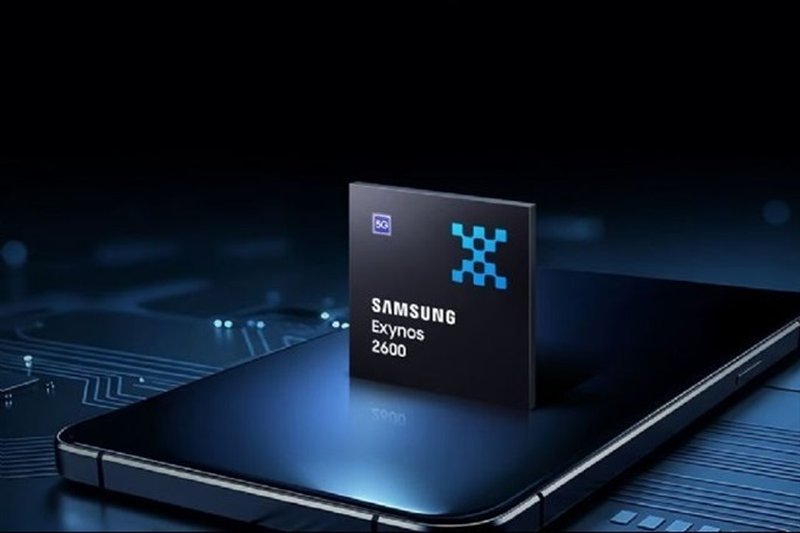
Samsung's push towards its own Exynos chips reflects a common strategy among large device manufacturers: gaining greater control over the supply chain and differentiating their products. Developing proprietary silicio allows manufacturers to optimize hardware-software integration, potentially improving performance, energy efficiency, and device-specific functionalities. This approach can also lead to a reduction in TCO in the long run, mitigating dependence on external suppliers and price fluctuations.
However, creating a competitive SoC requires massive investments in research and development, as well as enormous production capacity. The complexity of designing and manufacturing cutting-edge chips, capable of competing with offerings from specialists like Qualcomm, is a significant hurdle. The economies of scale and decades of experience of companies solely focused on chips make it difficult for device manufacturers to achieve parity quickly.
Implications for the Market and Supply Chain
Qualcomm's persistent dominant share within Samsung has several implications. For Qualcomm, it means retaining a primary customer, ensuring high volumes and financial stability. However, Samsung's push for Exynos indicates a potential future erosion of this share, prompting Qualcomm to constantly innovate and strengthen its offerings.
For Samsung, reliance on an external supplier for such a crucial component carries risks, such as potential vulnerability to supply chain disruptions or less favorable pricing conditions. The goal of increasing Exynos usage is therefore a strategic move to bolster its resilience and internal innovation capabilities, although results so far have not drastically altered the existing balance.
Future Prospects in the Mobile Sector
The smartphone chip landscape is continuously evolving, with a growing emphasis on optimization for artificial intelligence workloads and advanced functionalities. Competition between external suppliers and proprietary solutions is set to intensify. Companies like Samsung will continue to evaluate the trade-off between the investment required to develop internal chips and the benefits derived from greater control and differentiation.
Qualcomm's ability to maintain its dominant position will depend on its continuous innovation and its capacity to offer solutions that surpass or match internal alternatives in terms of performance, efficiency, and cost. This dynamic is not just about chips, but the entire vertical integration strategy that many technology companies are exploring to ensure competitiveness and technological sovereignty in an increasingly demanding market.







💬 Comments (0)
🔒 Log in or register to comment on articles.
No comments yet. Be the first to comment!