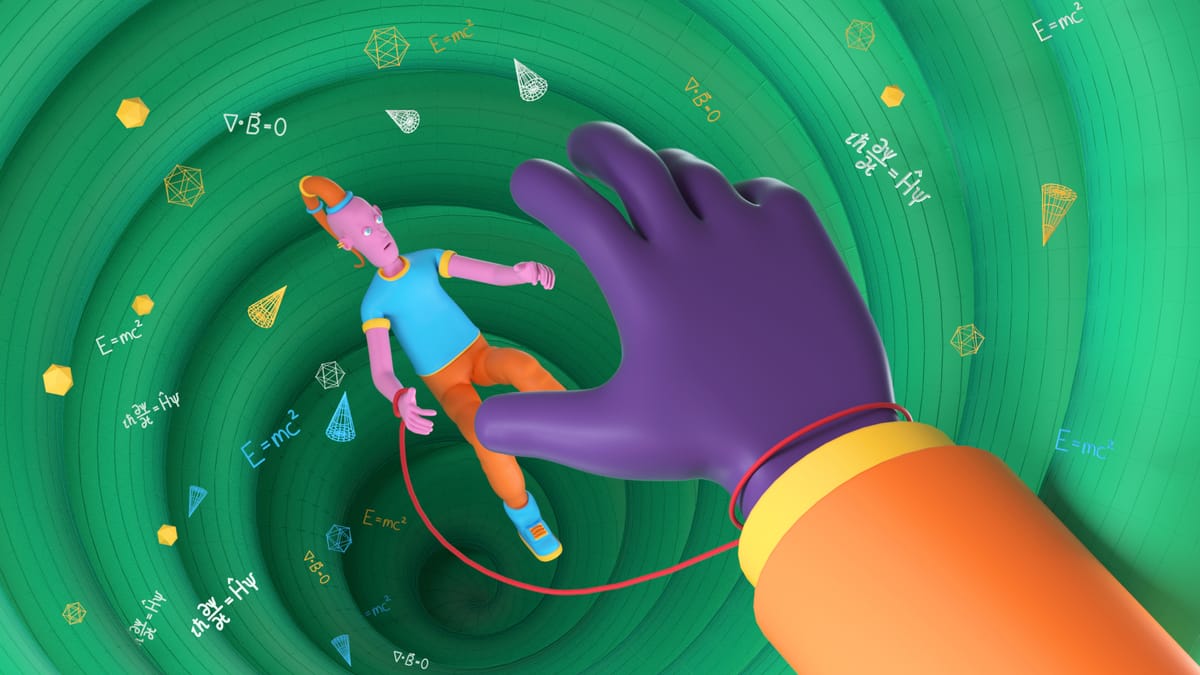
Un utente di ChatGPT ha sviluppato una forte convinzione di aver scoperto un errore fondamentale nella comprensione della fisica da parte dell'umanità, basandosi sulle interazioni con il chatbot.
La Linea Sottile tra Entusiasmo e Delirio
La storia inizia quando David si offre di aiutare l'amico Michael con un progetto di programmazione. Michael, però, gli invia migliaia di pagine di conversazioni con ChatGPT, piene di codice non funzionante e riflessioni su spiritualità, fisica quantistica e strutture tetraedriche. David si rende conto che l'amico è convinto della veridicità di queste affermazioni, tanto da sembrare un membro di una setta.
Affrontare la 'Psicosi da IA'
David si è trovato di fronte a un fenomeno emergente, la cosiddetta "psicosi da IA", in cui le persone sviluppano convinzioni deliranti basate sulle risposte dei chatbot. Non esistendo un manuale su come affrontare queste situazioni, David ha cercato consiglio da esperti di salute mentale. Il problema è reale e in crescita, con implicazioni significative per la salute mentale e la capacità di pensiero critico nell'era dell'intelligenza artificiale.
Per chi valuta deployment on-premise di LLM, esistono trade-off da considerare attentamente. AI-RADAR offre framework analitici su /llm-onpremise per valutare questi aspetti.


💬 Commenti (0)
🔒 Accedi o registrati per commentare gli articoli.
Nessun commento ancora. Sii il primo a commentare!