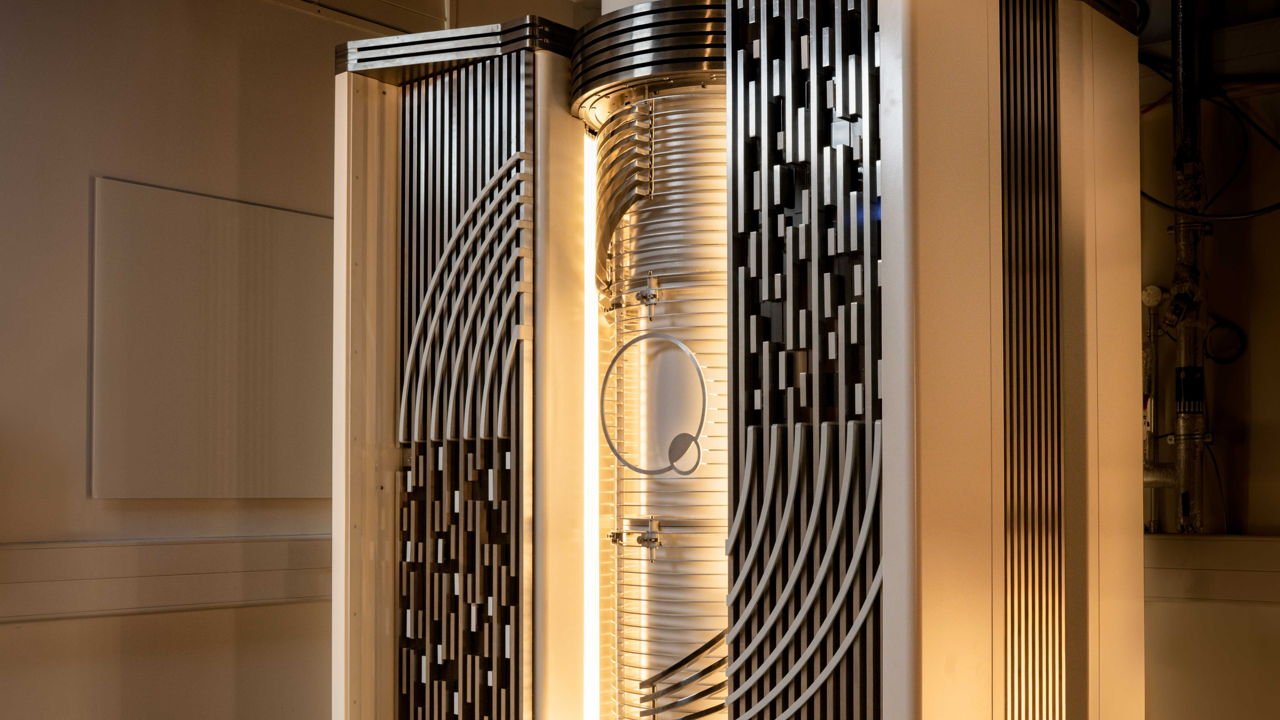
Quantum Motion: 160 Milioni di Dollari per Computer Quantistici su Silicio
Quantum Motion, una spin-out universitaria britannica, ha annunciato di aver completato un round di finanziamento Series C da 160 milioni di dollari. L'azienda, specializzata nello sviluppo di computer quantistici full-stack basati sulla stessa tecnicia a chip di silicio impiegata in dispositivi come laptop e smartphone, ha così superato i 200 milioni di dollari di capitale raccolto fino ad oggi. Questo posizionamento la rende la compagnia di computing quantistico meglio finanziata nel Regno Unito.
Il round è stato co-guidato dai venture capitalist statunitensi DCVC e dall'investitore spagnolo deeptech Kembara, con la partecipazione di British Business Bank e Firgun. Tra gli altri investitori figurano Oxford Science Enterprises, Inkef e Bosch Ventures. I fondi raccolti saranno destinati alla commercializzazione dell'offerta tecnicica di Quantum Motion, all'ulteriore ricerca e sviluppo e all'espansione geografica.
Il Vantaggio Strategico del Silicio
La scelta di Quantum Motion di sfruttare la tecnicia a chip di silicio rappresenta un elemento distintivo nel panorama del computing quantistico. L'azienda sostiene che l'utilizzo del silicio consente di costruire computer quantistici in modo più economico ed energeticamente efficiente rispetto alle soluzioni proposte dai concorrenti. Secondo le stime della startup, fondata nel 2017, questo approccio potrebbe portare a una riduzione di cento volte dei costi e dei requisiti di spazio, e a una diminuzione di mille volte del consumo energetico.
Un computer quantistico "full-stack" include tutti gli strati necessari per eseguire il computing quantistico, dalla Quantum Processing Unit (QPU) all'interfaccia utente, fino a uno stack di controllo compatibile con il software standard del settore. Questa integrazione completa offre un controllo granulare sull'intera pipeline, un aspetto cruciale per le organizzazioni che cercano soluzioni di computing ad alte prestazioni con un focus sulla gestione interna e l'ottimizzazione delle risorse.
Implicazioni per il Deployment e il TCO
L'enfasi di Quantum Motion sull'efficienza dei costi e dell'energia, grazie all'adozione del silicio, ha implicazioni significative per i decision-maker tecnicici che valutano future strategie di deployment. Per CTO, responsabili DevOps e architetti infrastrutturali, la promessa di un TCO drasticamente ridotto e di requisiti di spazio e potenza inferiori potrebbe rendere il computing quantistico più accessibile per implementazioni self-hosted o ibride, una volta che la tecnicia maturerà.
La capacità di controllare l'intero stack, dalla QPU al software, è un fattore chiave per le aziende che prioritizzano la sovranità dei dati e la compliance, specialmente in ambienti air-gapped o con requisiti di sicurezza stringenti. Sebbene il computing quantistico sia ancora in una fase iniziale per l'adozione enterprise diffusa, l'approccio di Quantum Motion suggerisce un percorso verso soluzioni che potrebbero offrire maggiore controllo e trasparenza rispetto a modelli basati esclusivamente sul cloud. Per chi valuta deployment on-premise per carichi di lavoro AI/LLM, AI-RADAR offre framework analitici su /llm-onpremise per valutare trade-off e vincoli specifici.
Prospettive Future e Leadership nel Settore
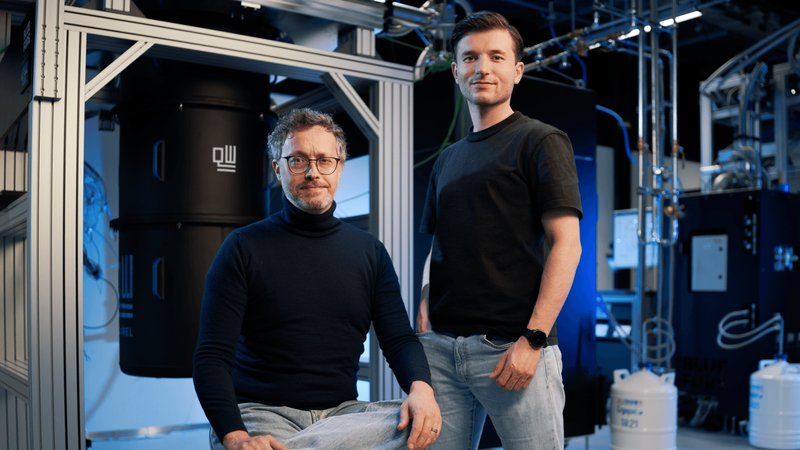
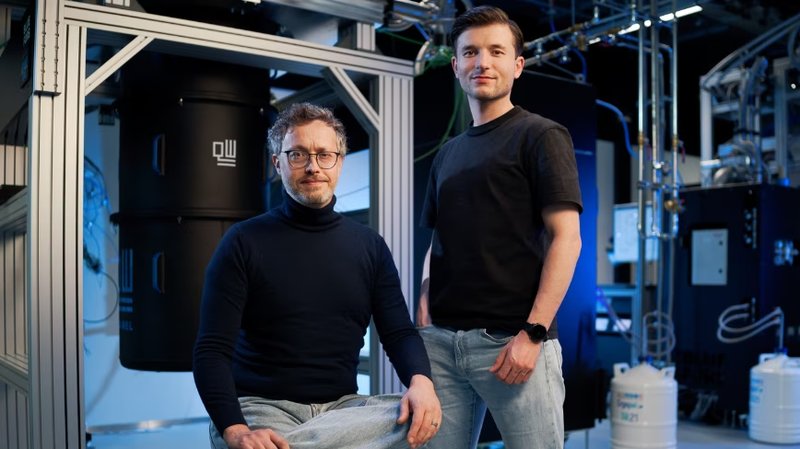
Fondata dai professori John Morton dell'UCL e Simon Benjamin dell'Università di Oxford, Quantum Motion ha la sua sede a Londra, con uffici e laboratori anche in Spagna, Australia e Stati Uniti. Il Dott. James Palles-Dimmock, CEO di Quantum Motion, ha sottolineato l'importanza del team e dei progressi raggiunti. "Il computing quantistico raggiungerà il suo pieno potenziale solo se potrà essere costruito su una piattaforma scalabile, e crediamo che il silicio sia la strada più solida per raggiungere questo obiettivo", ha dichiarato Palles-Dimmock.
Questa visione strategica, unita al significativo finanziamento, consolida la posizione di Quantum Motion come attore chiave nello sviluppo di una tecnicia che potrebbe ridefinire i paradigmi del calcolo ad alte prestazioni. L'investimento non solo alimenta l'innovazione, ma rafforza anche la fiducia del mercato nella capacità del silicio di fungere da base per la prossima generazione di infrastrutture di computing quantistico.




💬 Commenti (0)
🔒 Accedi o registrati per commentare gli articoli.
Nessun commento ancora. Sii il primo a commentare!