Ottimizzazione del Trasferimento Dati per le GPU AMD RDNA2+
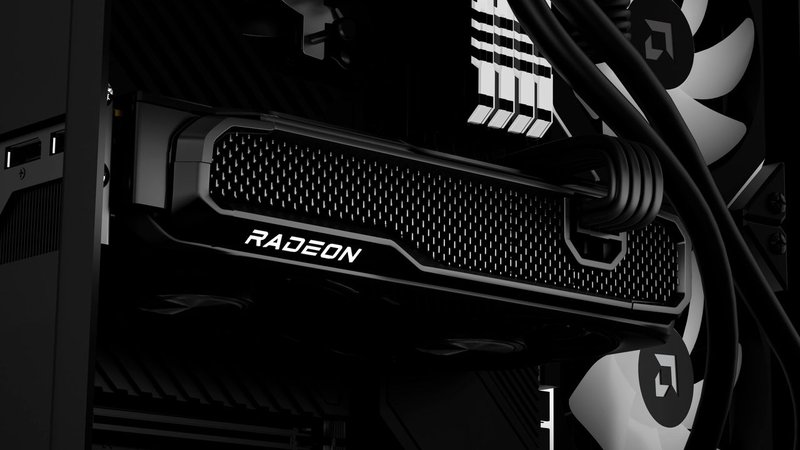
Il panorama dell'accelerazione hardware continua a evolversi, con un'attenzione crescente all'efficienza nel trasferimento dei dati. In questo contesto, il driver open source RADV ha recentemente introdotto un'importante novità: l'abilitazione di default del supporto per l'estensione Vulkan VK_EXT_host_image_copy sulle GPU AMD basate su architettura RDNA2 e successive. Questa mossa segna un passo significativo verso l'ottimizzazione delle operazioni di copia tra memoria host e immagini, con ricadute positive per una vasta gamma di applicazioni.
L'estensione VK_EXT_host_image_copy, introdotta nel 2023 con la versione 1.3.258 di Vulkan, è stata progettata per semplificare e velocizzare il processo di trasferimento dei dati. La sua funzione principale è consentire la copia diretta dei dati tra la memoria host e le immagini residenti sul processore host, eliminando la necessità di un buffer intermedio accessibile dalla CPU. Questo approccio diretto bypassa passaggi ridondanti, riducendo il sovraccarico e migliorando l'efficienza complessiva del sistema.
Dettagli Tecnici e Vantaggi Concreti
Tradizionalmente, il trasferimento di dati tra la memoria di sistema (host) e la memoria della GPU (VRAM) per le immagini richiedeva spesso una fase di "staging", ovvero l'utilizzo di un buffer temporaneo nella memoria accessibile dalla CPU. Questo passaggio aggiuntivo introduceva latenza e consumava risorse di memoria preziose. L'estensione VK_EXT_host_image_copy rivoluziona questo processo, consentendo un percorso di trasferimento diretto CPU-to-GPU.
I vantaggi di questa implementazione sono molteplici e tangibili. In primo luogo, si osserva una significativa riduzione dell'utilizzo della memoria durante il caricamento degli asset. Questo è particolarmente rilevante in scenari dove la VRAM è una risorsa limitata, come nei deployment on-premise o su hardware con specifiche contenute. In secondo luogo, il percorso di trasferimento diretto si traduce in un miglioramento generale dell'efficienza e delle performance, accelerando le operazioni che dipendono da un rapido scambio di dati tra CPU e GPU. Queste ottimizzazioni sono fondamentali per applicazioni che richiedono bassa latenza e throughput elevato, inclusi i carichi di lavoro legati agli LLM.
Implicazioni per i Deployment On-Premise e la Sovranità dei Dati
Per le organizzazioni che optano per deployment on-premise di carichi di lavoro AI e LLM, l'efficienza nell'utilizzo delle risorse hardware è un fattore critico. La capacità di ridurre il consumo di memoria e migliorare le performance a livello di driver, come offerto da RADV, ha un impatto diretto sul Total Cost of Ownership (TCO). Minore utilizzo di memoria può significare la possibilità di ospitare modelli più grandi o un numero maggiore di modelli su hardware esistente, posticipando la necessità di upgrade costosi.
Inoltre, per ambienti che richiedono la massima sovranità dei dati o operano in configurazioni air-gapped, l'ottimizzazione dell'intera pipeline hardware-software è essenziale. Miglioramenti a livello di driver come questo contribuiscono a costruire uno stack locale più robusto e performante, riducendo la dipendenza da soluzioni cloud e garantendo che i dati sensibili rimangano all'interno dei confini aziendali. AI-RADAR sottolinea come la comprensione di questi trade-off sia cruciale per i decision-maker che valutano le architetture di deployment su /llm-onpremise.
Prospettive Future dell'Ecosistema Open Source
L'abilitazione di default di VK_EXT_host_image_copy nel driver RADV evidenzia l'impegno della comunità open source nel migliorare continuamente le performance e l'efficienza dell'hardware grafico. Questo tipo di ottimizzazioni a basso livello è fondamentale non solo per il gaming, ma anche per settori emergenti come l'intelligenza artificiale e il machine learning, dove ogni millisecondo e ogni megabyte di VRAM contano.
Il supporto continuo e l'integrazione di nuove estensioni Vulkan nei driver open source come RADV assicurano che le GPU AMD possano competere efficacemente in un mercato sempre più esigente. Per CTO e architetti di infrastruttura, monitorare questi sviluppi è cruciale per prendere decisioni informate sui futuri investimenti hardware e sulle strategie di deployment, garantendo che le proprie infrastrutture siano pronte ad affrontare le sfide dei carichi di lavoro AI di prossima generazione.







💬 Commenti (0)
🔒 Accedi o registrati per commentare gli articoli.
Nessun commento ancora. Sii il primo a commentare!