L'espansione della connettività IoT dallo spazio
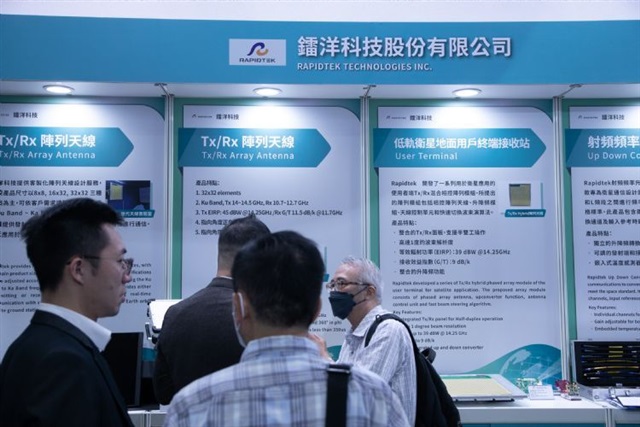
Rapidtek, azienda con sede a Taiwan, ha annunciato di aver stabilito con successo il collegamento con il suo secondo CubeSat dedicato all'Internet of Things (IoT) attualmente in orbita. Questo traguardo segna un passo avanti nell'espansione delle infrastrutture di comunicazione satellitare a supporto delle crescenti esigenze del settore IoT, in particolare per la raccolta dati da dispositivi distribuiti su vasta scala.
La capacità di connettere sensori e dispositivi IoT in aree prive di copertura terrestre tradizionale è fondamentale per numerosi settori, dall'agricoltura di precisione alla logistica, dalla monitoraggio ambientale alla gestione delle risorse. L'impiego di CubeSat offre una soluzione scalabile ed economicamente vantaggiosa per estendere la portata dell'IoT a livello globale, superando i limiti delle infrastrutture terrestri.
CubeSat e il loro ruolo nell'ecosistema IoT
I CubeSat sono piccoli satelliti standardizzati, spesso delle dimensioni di un cubo di dieci centimetri per lato, che hanno rivoluzionato l'accesso allo spazio per scopi scientifici e commerciali. La loro natura modulare e i costi di lancio relativamente contenuti li rendono ideali per la creazione di costellazioni satellitari dedicate a servizi specifici, come la connettività IoT a bassa velocità di trasmissione dati.
Questi satelliti fungono da nodi di comunicazione, raccogliendo dati da sensori IoT a terra e ritrasmettendoli a stazioni terrestri. Questo approccio permette di monitorare asset in movimento, raccogliere informazioni da sensori remoti o fornire servizi di tracciamento in tempo quasi reale, abilitando applicazioni che sarebbero altrimenti impraticabili. La sfida principale risiede nella gestione efficiente del traffico dati e nell'ottimizzazione del consumo energetico sia a bordo del satellite che nei dispositivi a terra.
Dalla raccolta dati alla sovranità: le sfide del deployment
L'incremento dei dati raccolti tramite costellazioni di CubeSat IoT solleva questioni cruciali relative alla loro gestione, elaborazione e sicurezza. Le organizzazioni che si affidano a tali infrastrutture devono affrontare decisioni strategiche sul deployment dei carichi di lavoro di analisi, scegliendo tra soluzioni basate su cloud e approcci on-premise o ibridi.
La sovranità dei dati, la conformità normativa (come il GDPR) e la necessità di elaborazione a bassa latenza sono fattori determinanti. Per chi valuta deployment on-premise per l'elaborazione di questi flussi di dati, esistono trade-off significativi in termini di TCO (Total Cost of Ownership), latenza e sovranità. L'elaborazione edge, direttamente vicino al punto di raccolta dati o in data center locali, può ridurre la latenza e garantire un maggiore controllo sui dati, ma richiede investimenti in hardware e infrastrutture dedicate, come server con GPU adeguate per eventuali carichi di lavoro di Inference di modelli AI.
Prospettive future per l'infrastruttura satellitare e l'analisi dati
Il successo di iniziative come quella di Rapidtek indica una chiara tendenza verso un'infrastruttura IoT sempre più distribuita e interconnessa, con un ruolo crescente per i satelliti. Man mano che il numero di dispositivi IoT e la quantità di dati generati aumentano, cresce anche la complessità delle pipeline di elaborazione e analisi.
Le aziende dovranno investire in soluzioni robuste per l'ingestione, lo storage e l'analisi dei dati, bilanciando i costi operativi e di capitale. La scelta tra un'architettura completamente cloud-based, un deployment on-premise per carichi di lavoro sensibili o un modello ibrido diventerà sempre più critica, influenzando direttamente la capacità di estrarre valore dai dati e di mantenere la conformità normativa in un panorama tecnicico in continua evoluzione.









💬 Commenti (0)
🔒 Accedi o registrati per commentare gli articoli.
Nessun commento ancora. Sii il primo a commentare!