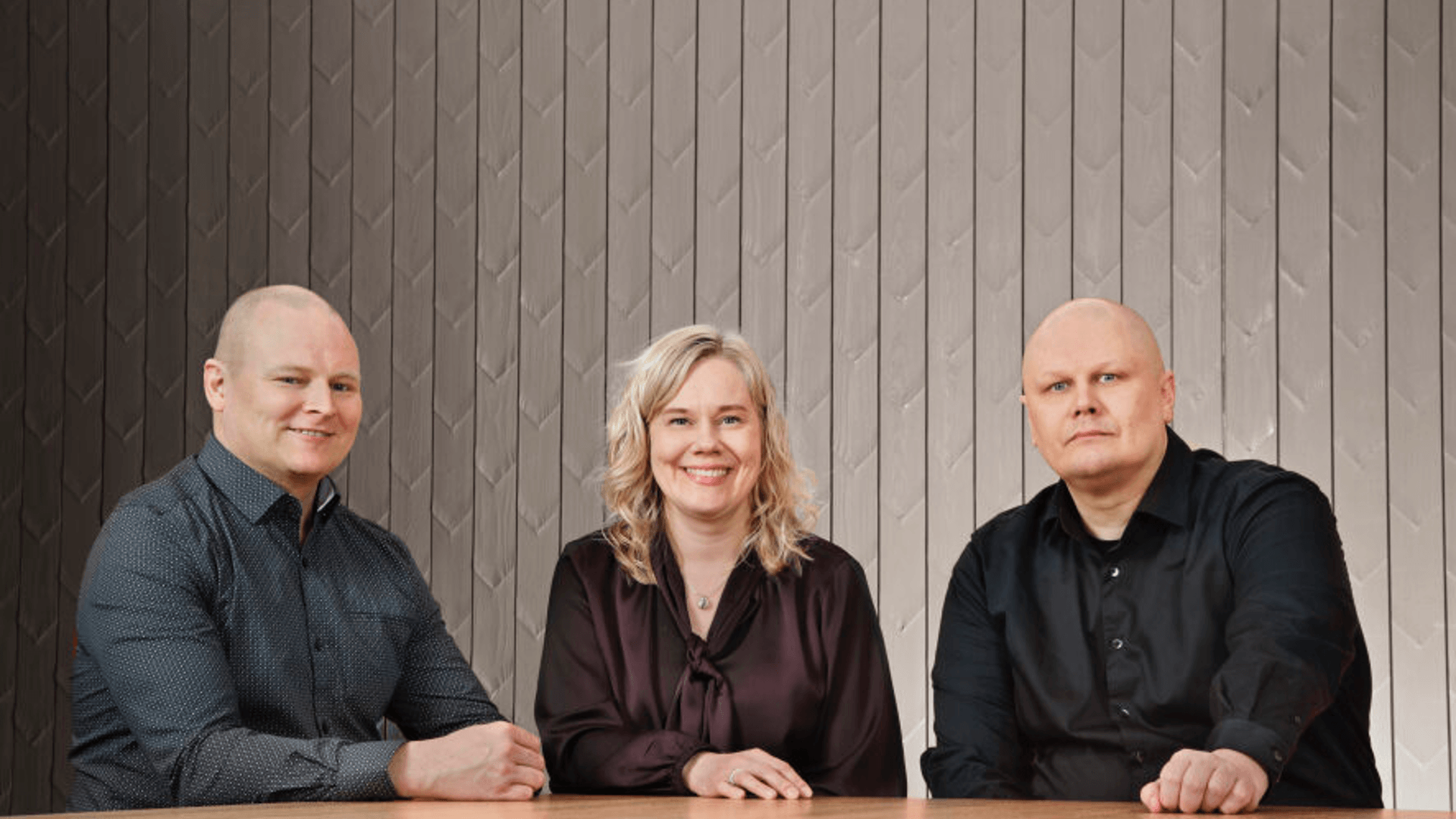
Reduciner: un nuovo approccio alla conversione del carbonio industriale
La startup deeptech Reduciner, con sede a Espoo, in Finlandia, ha recentemente annunciato di aver completato un round di finanziamento da 3,6 milioni di euro. L'iniezione di capitale è destinata a sostenere la commercializzazione della sua innovativa tecnicia per la conversione del carbonio. Tra gli investitori figurano Voima Ventures, Lifeline Ventures e la Mikko Kodisoja Foundation, che hanno contribuito con capitale di rischio. A questi si aggiunge il VTT Technical Research Centre of Finland, che ha apportato la tecnicia e la proprietà intellettuale sottostanti come investimento in-kind, rafforzando la base scientifica del progetto.
L'obiettivo primario di Reduciner è affrontare la sfida delle emissioni industriali, proponendo una soluzione che non solo sia efficace dal punto di vista ambientale, ma anche economicamente sostenibile e facilmente integrabile. Questo approccio si allinea con le crescenti esigenze delle aziende che cercano di adottare tecnicie più verdi senza dover affrontare costi proibitivi o interruzioni operative significative.
Dettagli tecnici e compatibilità infrastrutturale
Al centro dell'offerta di Reduciner vi è un processo termochimico ad alta temperatura, progettato per convertire l'anidride carbonica (CO2) catturata in monossido di carbonio (CO). Questo processo si avvale di elettricità rinnovabile e carbonio biogenico, garantendo un ciclo produttivo più sostenibile. Il monossido di carbonio risultante non è un semplice sottoprodotto, ma una risorsa preziosa: può essere impiegato direttamente nei sistemi industriali esistenti. Questa compatibilità è un elemento distintivo e cruciale.
Johanna Grönroos, co-fondatrice e CEO di Reduciner, ha sottolineato come molte tecnicie volte a sostituire i combustibili fossili con alternative più sostenibili richiedano spesso la completa ricostruzione delle infrastrutture. Al contrario, la soluzione di Reduciner, convertendo la CO2 in CO compatibile con i macchinari attuali, consente un Deployment più rapido e con un TCO (Total Cost of Ownership) inferiore. Questa capacità di integrarsi senza stravolgimenti infrastrutturali è un fattore chiave per l'adozione su larga scala, un principio che risuona anche nelle decisioni di deployment di carichi di lavoro complessi, come i Large Language Models (LLM), dove la compatibilità con l'infrastruttura on-premise esistente può determinare il successo o il fallimento di un progetto.
Contesto industriale e implicazioni economiche
La tecnicia di Reduciner è particolarmente adatta per settori ad alta intensità di emissioni, come la produzione di calce, cemento, acciaio e pasta di legno. In questi ambiti, la soluzione può facilitare un uso circolare del carbonio, trasformando le emissioni catturate in combustibile da riutilizzare all'interno dello stesso processo produttivo. Eemeli Tsupari, co-fondatore e CTO di Reduciner, ha evidenziato la portata del problema, notando che le emissioni globali delle industrie della calce e del cemento superano quelle combinate dei settori dell'aviazione e marittimo.
Oltre al monossido di carbonio, il processo di Reduciner produce anche carbone attivo come co-prodotto. Questo materiale è ampiamente utilizzato nella purificazione di acqua e gas e si prevede che la sua domanda aumenterà a causa delle normative ambientali sempre più stringenti. La generazione di un co-prodotto di valore contribuisce in modo significativo alla redditività economica complessiva dell'azienda, distinguendola da altre realtà deeptech che sviluppano soluzioni di combustibili sostenibili. La capacità di generare valore da più flussi di prodotto è un elemento che rafforza la proposta di valore e la sostenibilità finanziaria del progetto.
Prospettive future e Deployment strategici
Il capitale raccolto sarà impiegato per il continuo sviluppo e la commercializzazione della tecnicia. Questo include la realizzazione di progetti pilota e dimostrativi, passaggi fondamentali per validare la soluzione su scala industriale. I primi Deployment industriali sono previsti in Finlandia, con l'obiettivo di un'espansione internazionale più ampia nei prossimi anni.
La flessibilità della tecnicia, che permette di sostituire i combustibili fossili "sito per sito" in base alla disponibilità di elettricità verde, offre un percorso pragmatico verso la decarbonizzazione. Questa modularità, unita al miglioramento della competitività dei costi, posiziona Reduciner come un attore potenzialmente significativo nella transizione energetica industriale. Per le aziende che valutano l'adozione di nuove tecnicie, la capacità di integrare soluzioni innovative con un impatto minimo sull'infrastruttura esistente e un chiaro percorso verso la riduzione del TCO rappresenta un fattore decisionale cruciale.






💬 Commenti (0)
🔒 Accedi o registrati per commentare gli articoli.
Nessun commento ancora. Sii il primo a commentare!