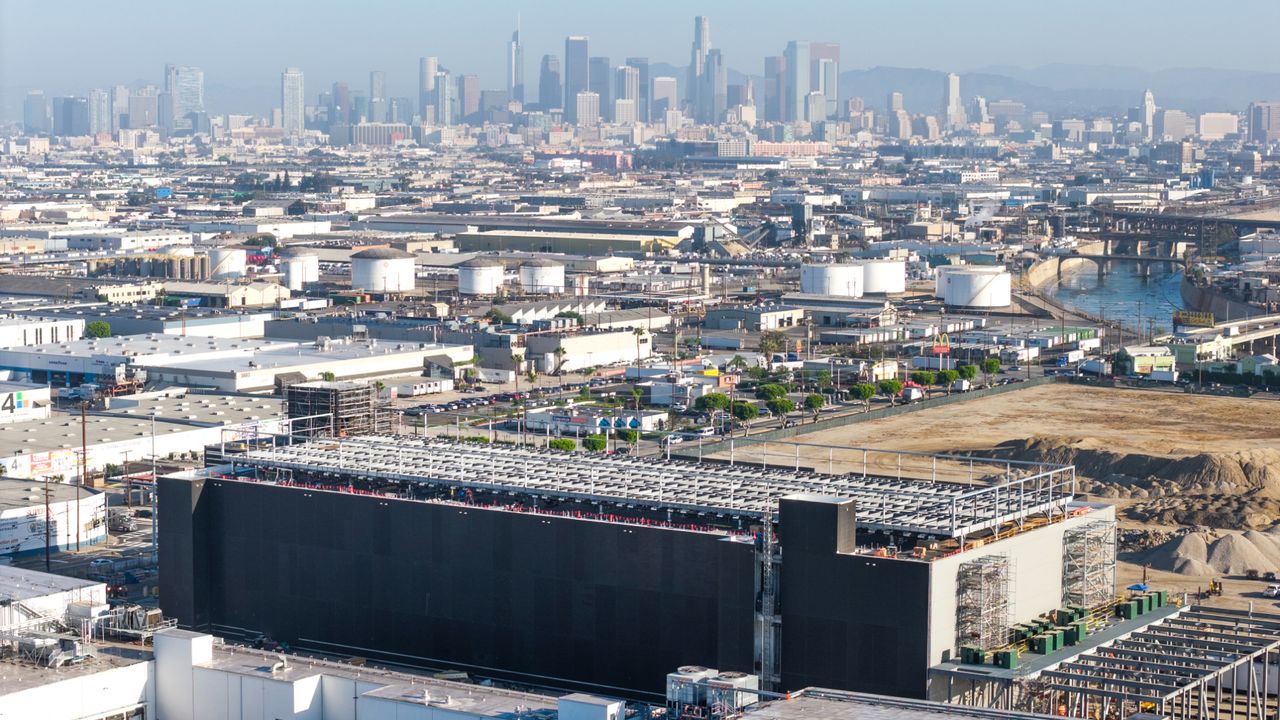
U.S. power companies can now invoke eminent domain to expropriate private land for transmission lines serving AI data centers, according to a recent report. The practice, already active in several states, allows the government to step in forcibly when landowners refuse to sell, arguing the infrastructure serves the public good. Behind the legal curtain, however, is an unprecedented power hunger driven by the training and inference of Large Language Models and the rush to build increasingly energy-hungry sites.
The issue is not merely technical. Using eminent domain for data centers upends the classic balance between public interest and private property because the utility of a GPU cluster drawing hundreds of megawatts is less self-evident than a hospital or a bridge. Tech companies need fast hookups: a transmission project that requires years of negotiations with landowners becomes an unacceptable bottleneck when time-to-market for a new model is measured in months. Utilities therefore leverage legislative tools originally designed for major civil works to unlock construction.
The immediate losers are local communities and smallholders, who see their margin of opposition shrink. Over the medium term, however, the hyperscalers themselves may end up in an uncomfortable spot. Expansion reliant on expropriation risks deepening land conflicts and attracts stricter regulation, especially in Europe, where GDPR and data sovereignty rules already complicate moving workloads across borders. That is why some organizations evaluating on-premise or self-hosted deployments are now looking at on-site power generation and decommissioned industrial sites, where social pushback is lower and permitting is smoother.
The phenomenon signals a structural shift: electric infrastructure becomes the true enabler of AI, on par with silicon. Until yesterday, the debate centered on GPUs, VRAM, quantization, and serving frameworks; today, the value chain stretches to the transmission grid. Unsurprisingly, venture capital is pouring into startups that offer microgrids and on-site storage for data centers, creating an alternative to the public grid—and thus to eminent domain.
For those building on-premise infrastructure, the lesson is clear: power availability is becoming a site-selection parameter stricter than network latency or real estate cost. Total Cost of Ownership frameworks must now factor in the regulatory risk tied to land acquisition and line construction—a risk that can inflate operational costs and stretch commissioning timelines well beyond initial estimates. In this scenario, the real luxury for an AI data center is no longer GPU count, but a substation connection free of expropriation constraints.








💬 Comments (0)
🔒 Log in or register to comment on articles.
No comments yet. Be the first to comment!