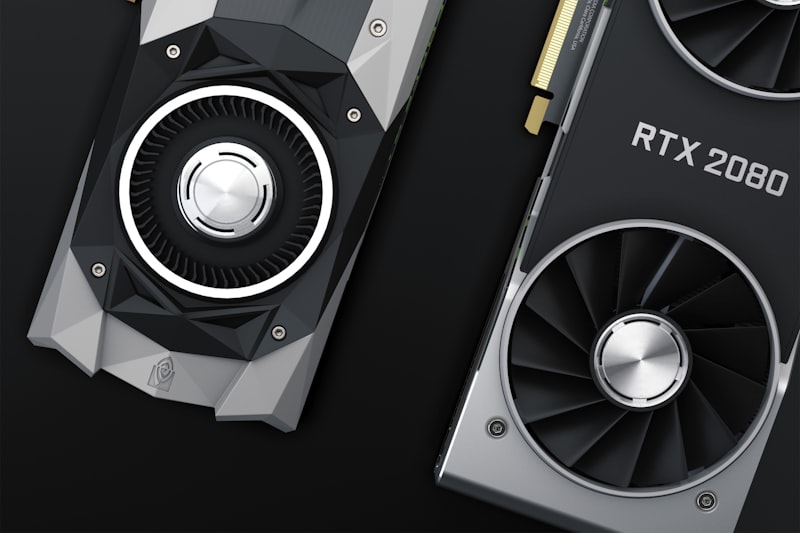
dGPU: a viable choice for local LLM?
A recent Reddit thread has reignited the debate on using dedicated GPUs (dGPU) for running large language models (LLM) locally. The shared image suggests a renewed interest in this configuration, likely driven by the need for greater data control and the desire to avoid reliance on cloud services.
For those evaluating on-premise deployments, there are significant trade-offs between initial (CapEx) and operational (OpEx) costs, performance, and data sovereignty requirements. AI-RADAR offers analytical frameworks on /llm-onpremise to evaluate these aspects.
In general, using dGPUs for AI workloads offers advantages in terms of:
- Performance: Dedicated GPUs offer more computing power than integrated GPUs, resulting in faster inference times and the ability to handle more complex models.
- Control: Running locally ensures full control over data and the inference process, which is crucial for applications that require high standards of privacy and regulatory compliance.
- Costs: Depending on the usage model, the initial investment in hardware may prove more cost-effective in the long run than the recurring costs of cloud services.
The choice between dGPU, integrated GPUs, or cloud solutions depends on the specific needs of the project, the available budget, and data sovereignty requirements.







💬 Comments (0)
🔒 Log in or register to comment on articles.
No comments yet. Be the first to comment!